
UK Government Offers Meningitis B Vaccine to Students Following Outbreaks
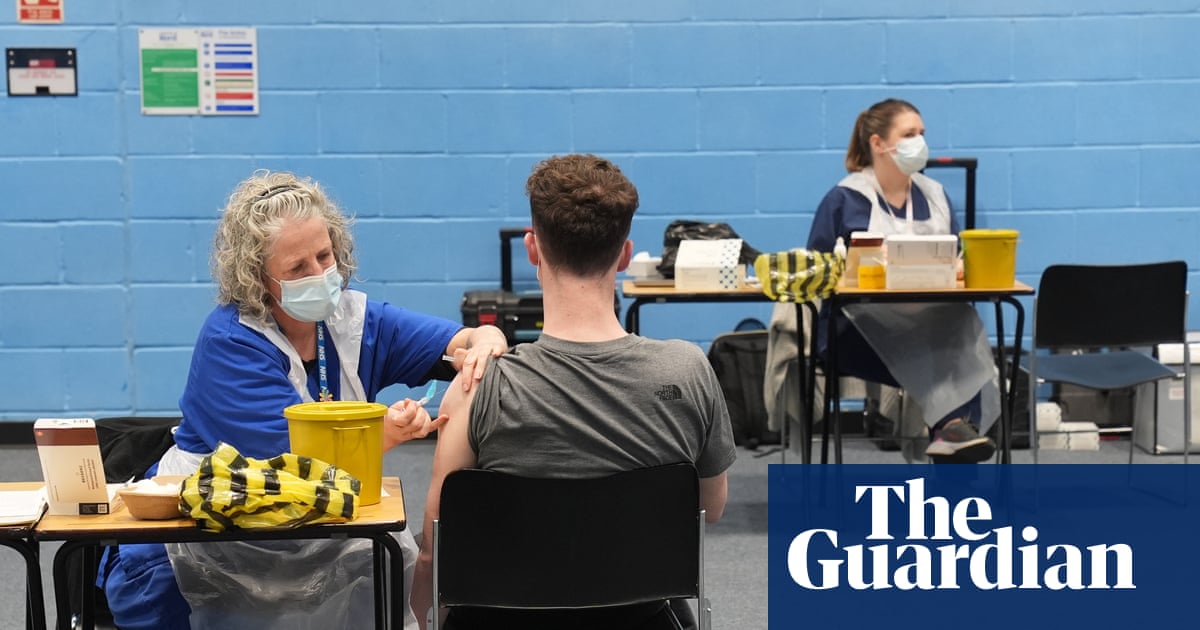
The UK government is launching a one-off vaccination program in late July to protect eligible teenagers and university students against meningitis B. Health Secretary James Murray announced the initiative following an unprecedented outbreak in Kent and clusters in Dorset and Berkshire that resulted in the deaths of three young people.
Who is eligible for the meningitis B vaccine?
The vaccine is available to all UK residents born between 1 September 2007 and 31 August 2008. This includes teenagers of year-13 age in England and Wales, or equivalent school years in Scotland and Northern Ireland.
Eligibility also extends to people under 25 who are starting university or moving into certain residential further education settings for the first time this autumn. This includes international students.
Why is this emergency vaccination program happening now?
Health Secretary James Murray stated that recent clusters and the Kent outbreak indicate a possible change in how meningitis B affects people. The government is acting now to protect those at the highest immediate risk before they enter residential colleges and universities.
The UK Health Security Agency (UKHSA) noted that invasive meningococcal disease cases typically peak between October and November. Murray urged eligible students to receive their doses in July and August to ensure protection before the academic year begins.
How does the Bexsero vaccine work?
The program uses the Bexsero vaccine, which protects against most strains of MenB bacteria. According to experts, the protection is thought to last at least six years.
The vaccination requires two doses administered at least 28 days apart. Caroline Temmink, director of vaccination at NHS England, said eligible individuals will be contacted via the NHS app, text, and email.
Students under 25 starting university for the first time can book their appointments directly through available pharmacies.
What are the risks of meningitis B?
MenB bacteria often live harmlessly in the back of the nose and throat. In some individuals, they cause serious infections leading to blood poisoning or meningitis, which is an infection of the membranes surrounding the spinal cord and brain.
The NHS reports that up to one in 10 bacterial meningitis cases are fatal. Survivors may face permanent health issues, including epilepsy or hearing loss.
Risk is higher for those in university settings due to shared accommodation, large social networks, and parties, which aid the spread of bacteria.
Will this become a routine program?
Currently, young people are routinely offered the MenACWY vaccine, but not the MenB vaccine. This gap has led some parents to pay for private MenB vaccinations, which can cost £200 or more per child for two doses.
Dr. Shamez Ladhani, a consultant epidemiologist at the UKHSA, clarified that this offering is an emergency outbreak response involving about a million people, not a routine program.
The Joint Committee on Vaccination and Immunisation (JCVI) is considering an expansion of the program. Professor Adam Finn of the Bristol Children’s Vaccine Centre suggested the one-off nature of the announcement may reflect uncertainty regarding the cost-benefit of widespread immunisation.
Frequently Asked Questions
Who can receive the meningitis B vaccine this autumn?
Eligible people include those born between 1 September 2007 and 31 August 2008, and those under 25 starting university or residential further education for the first time, including international students.
How many doses are required for protection?
The Bexsero vaccine is given as two doses, which must be administered at least 28 days apart.
How do eligible students book their appointments?
The NHS will contact eligible people via email, text, and the NHS app. Those under 25 starting university for the first time may book directly with participating pharmacies.
Do you believe lifesaving vaccines should be transitioned from emergency responses to routine health programs?