
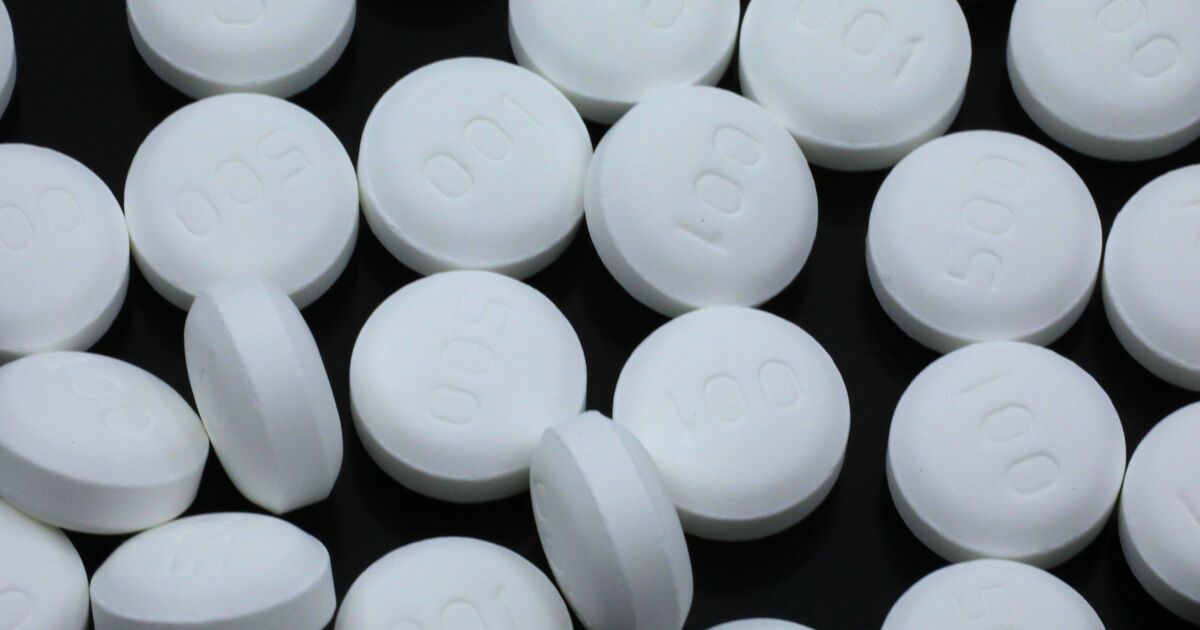
UK Heatwave: Health Warning for Insulin and Metformin Users
The New Frontier of Climate-Resilient Healthcare: Managing Medication in a Warming World
For decades, the primary concern for patients managing chronic conditions like diabetes or hypertension was consistency. But as global temperatures shift and extreme heatwaves become a seasonal norm rather than a rarity, the conversation is shifting toward thermal stability and climate-resilient care.
When we look at the warnings issued by health agencies regarding medications like insulin and metformin, we aren’t just seeing a temporary weather advisory. We are seeing the precursor to a fundamental change in how we store, prescribe, and monitor medicine in an era of volatile weather.
Smart Storage: The End of the ‘Fridge or Nothing’ Era
Historically, insulin has been the gold standard for temperature-sensitive medication, requiring strict refrigeration. However, the future of pharmacology is moving toward thermostable formulations—drugs designed to remain potent at higher temperatures for longer periods.
We are already seeing a rise in “smart” medication carriers. Imagine a sleek, portable case equipped with Peltier cooling technology and Bluetooth connectivity that alerts your smartphone the moment your medication exceeds its safe temperature threshold. This shift from passive cooling (ice packs) to active, monitored cooling will be critical for patients who lead active lives in warmer climates.
Industry data suggests that medication wastage due to improper storage is a multi-billion dollar global issue. By integrating World Health Organization (WHO) guidelines on the “cold chain” into consumer-grade tech, we can significantly reduce the risk of patients administering ineffective medication during a heatwave.
AI-Driven Predictive Health Alerts
The “Amber Health Warning” system is a vital tool, but the future lies in hyper-personalized alerts. Instead of a general regional warning, we are moving toward a system where your healthcare provider or a dedicated health app pushes a notification specifically tailored to your prescription.

For example, a patient on metformin—which can increase the risk of dehydration—might receive a targeted alert: “Temperatures are expected to hit 35°C in your zip code tomorrow. Based on your current medication, please increase your water intake by 500ml and avoid outdoor activity between 11 AM and 4 PM.”
This integration of meteorological data with electronic health records (EHR) allows for preventative intervention. Rather than treating heatstroke in the ER, the goal is to manage the patient’s physiology before they ever leave their home. You can read more about how digital health is transforming chronic disease management in our previous analysis.
The ‘Invisible’ Risks: Beyond Diabetes
While insulin and metformin often lead the headlines, a broader range of medications interacts dangerously with heat. The next decade of public health education will likely focus on these overlooked categories:
- Antipsychotics and Stimulants: Drugs like olanzapine or those used for ADHD can impair the body’s ability to thermoregulate, effectively “locking in” heat.
- Diuretics: Common for heart failure and hypertension, these drugs accelerate fluid loss, making the line between “thirsty” and “critically dehydrated” dangerously thin.
- Photosensitizing Agents: Certain antibiotics and antidepressants make the skin hypersensitive to UV rays, leading to severe burns even with minimal exposure.
The Role of Community Care Networks
As the population ages, the “social prescription” becomes as important as the medical one. We are seeing a trend toward Community Heat Hubs—designated cool zones where vulnerable residents can not only escape the heat but have their medication stability checked by visiting pharmacists.
FAQ: Medication and Extreme Heat
Q: Can I keep my insulin in a cooler bag with ice packs?
A: Yes, but be careful. Insulin should not touch the ice packs directly, as freezing can destroy the protein structure of the medication, rendering it useless.
:max_bytes(150000):strip_icc()/keep-your-insulin-and-test-strips-safe-from-heat-1087296_final-31d68bba92544d21bbe26888390664ef.png "Insulin Storage Warnings Images UK Heatwave")
Q: Why does metformin increase dehydration risk?
A: While not a diuretic, metformin can affect how the body handles lactic acid and fluid balance during extreme stress (like heat exhaustion), making the patient more susceptible to rapid dehydration.
Q: How do I know if my medication has “gone bad” due to heat?
A: Look for changes in color, cloudiness in liquids, or a strange smell. However, many chemical breakdowns are invisible. If your medicine was left in a hot car, contact your pharmacist immediately.
Q: Should I stop taking my medication during a heatwave to avoid side effects?
A: Never stop or alter your dosage without consulting your doctor. The risk of an uncontrolled health crisis (like a diabetic coma) is far higher than the risk of heat-related side effects.
Join the Conversation
Are you using any smart tools to manage your health during the summer? Or do you have a tip for keeping your meds cool on the go? Share your experiences in the comments below or subscribe to our newsletter for more expert health insights.