
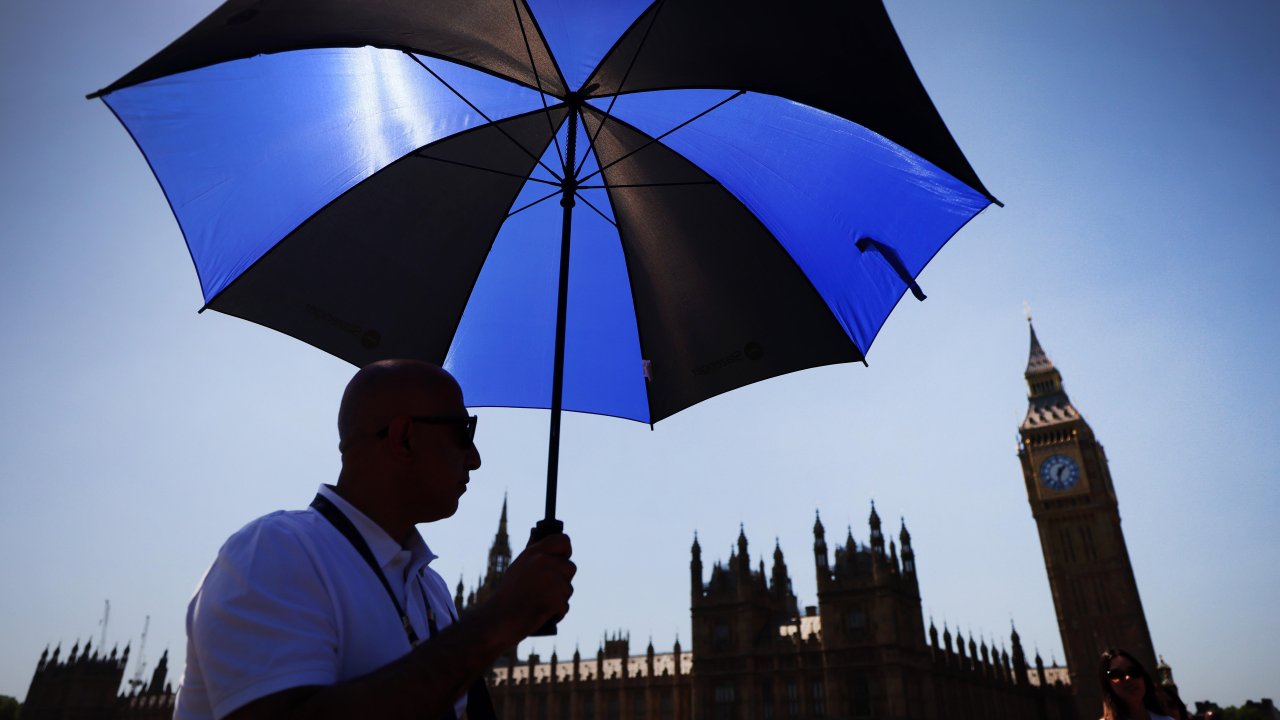
UK Heatwave: Record Temperatures, Deaths, and Widespread Disruptions
Extreme heat in the UK, marked by record June temperatures of 36.1°C and critical infrastructure failures in hospitals and transport, signals a shift toward permanent climate adaptation. According to the Met Office and local authorities, these events necessitate urgent upgrades to cooling systems, water management, and urban planning to prevent loss of life and service collapse.
Why are hosepipe bans becoming more frequent?
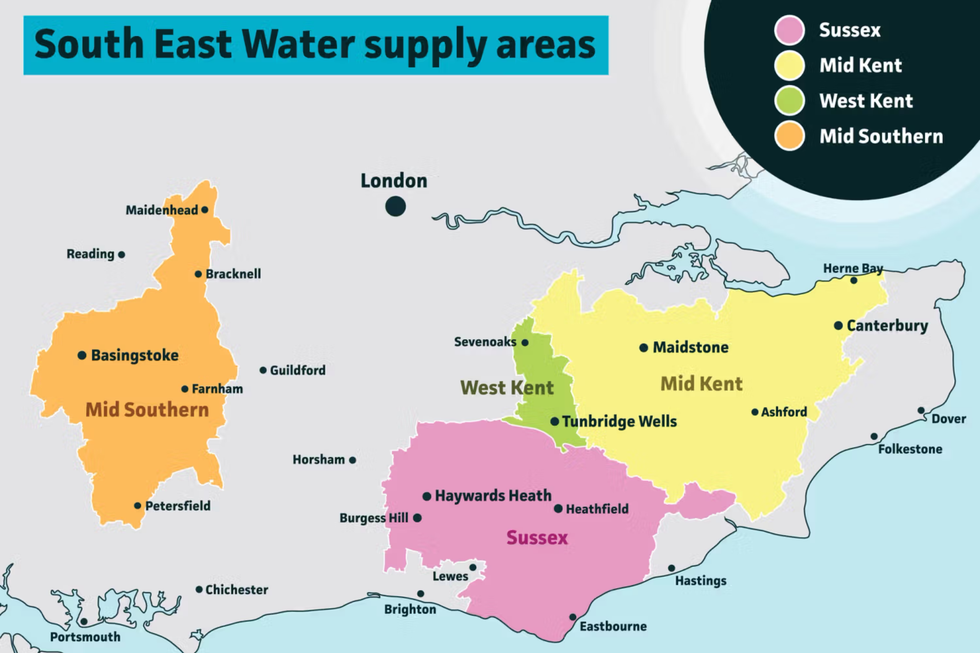
Water scarcity is moving from a seasonal worry to a systemic risk. South East Water recently implemented a hosepipe ban for 850,000 customers in Kent following what officials called “record demand for water.” This reactive measure highlights a gap in current infrastructure.
Future trends point toward “smart water” grids. Instead of blanket bans, utilities are likely to adopt AI-driven leak detection and tiered pricing to manage demand in real-time. The shift toward greywater recycling—using treated wastewater for gardens—will likely move from a niche eco-trend to a building requirement to protect drinking water reserves during heatwaves.
How does extreme heat break critical medical equipment?
Healthcare facilities are not designed for 40°C peaks. The NHS Trust for Norfolk and Norwich University Hospitals reported that MRI scanners stopped working due to the heat, while Queen Alexandra Hospital in Portsmouth declared a critical incident after its cooling system failed.

This creates a dangerous precedent: medical emergencies often spike during heatwaves, yet the tools to treat them fail. The trend moving forward is “climate-proofing” healthcare. This includes installing industrial-grade HVAC systems specifically for diagnostic machinery and redesigning wards with passive cooling to reduce reliance on failing electrical grids.
What happens when historic buildings lack air conditioning?
The UK’s architectural heritage is a liability in a warming climate. During a recent climate change reception at St James’s Palace, King Charles III required an electric fan because the venue lacks air conditioning. This isn’t just a matter of comfort; it’s a matter of accessibility and safety for elderly or vulnerable populations.

Retrofitting Grade I listed buildings is expensive and legally complex. Experts expect a rise in “passive cooling” interventions—such as reflective roof coatings, internal shutters, and strategic greenery—to lower indoor temperatures without altering historic facades. The contrast between 1976’s peaks and today’s 40°C threats makes these upgrades a necessity rather than a luxury.
Can electric vehicles handle extreme temperature spikes?
Thermal management is the next big hurdle for green transport. A double-decker electric bus recently caught fire in a West London depot, destroying two charging points. Simultaneously, a fire engine caught fire while responding to a crash in Dorset, illustrating that even emergency vehicles are vulnerable.
Lithium-ion batteries are prone to “thermal runaway” when ambient temperatures soar. Future EV trends will focus on advanced liquid cooling systems and solid-state batteries, which are more stable in extreme heat. Charging infrastructure will also need integrated cooling to prevent the same type of fires seen in Westburn Park.
Will “heat days” replace “snow days” for schools and offices?
The traditional UK work-and-school calendar is ill-equipped for extreme heat. Recent events saw schools and nurseries in England and Wales partially or fully close. London Mayor Sadiq Khan has already urged residents to work from home during peak heat to reduce strain on the transport network.
We are likely moving toward a formalized “Heat Protocol.” This would mirror snow-day policies, where official temperature thresholds trigger automatic remote work or early school releases. This shift acknowledges that productivity and safety drop sharply when temperatures exceed 35°C, especially in non-climate-controlled environments.
Comparative Heat Records: 1976 vs. Today
| Metric | 1976 Record | Recent Peak |
|---|---|---|
| June Max Temp | 35.6°C | 36.1°C |
| June Nightly Low (Cardiff) | 22.7°C | 23.5°C |
Frequently Asked Questions
How does heat affect MRI scanners?
MRI machines require intense cooling to maintain superconducting magnets. When ambient temperatures rise beyond the cooling system’s capacity, the equipment shuts down to prevent permanent damage.
What is a “Red Warning” from the Met Office?
A red warning is the highest level of alert, indicating that extreme weather is expected to cause significant disruption and poses a direct danger to life.
Why do electric buses catch fire in the heat?
High temperatures can cause battery cells to overheat, leading to a chemical reaction known as thermal runaway, which is difficult to extinguish and can spread to charging infrastructure.
Is your home or workplace ready for the next heatwave?
Share your cooling tips in the comments below or subscribe to our newsletter for more updates on climate adaptation and infrastructure trends.