

UK PM Starmer resigns as Britain faces its seventh leader in 10 years
U.K. Prime Minister Keir Starmer announced his resignation as Labour leader and head of government on June 22, 2026, citing a loss of confidence from his parliamentary party. The move follows months of political friction, including poor local election results and internal rebellion. Starmer will remain in office until a leadership contest concludes to facilitate an orderly transition.
Why did Keir Starmer resign?
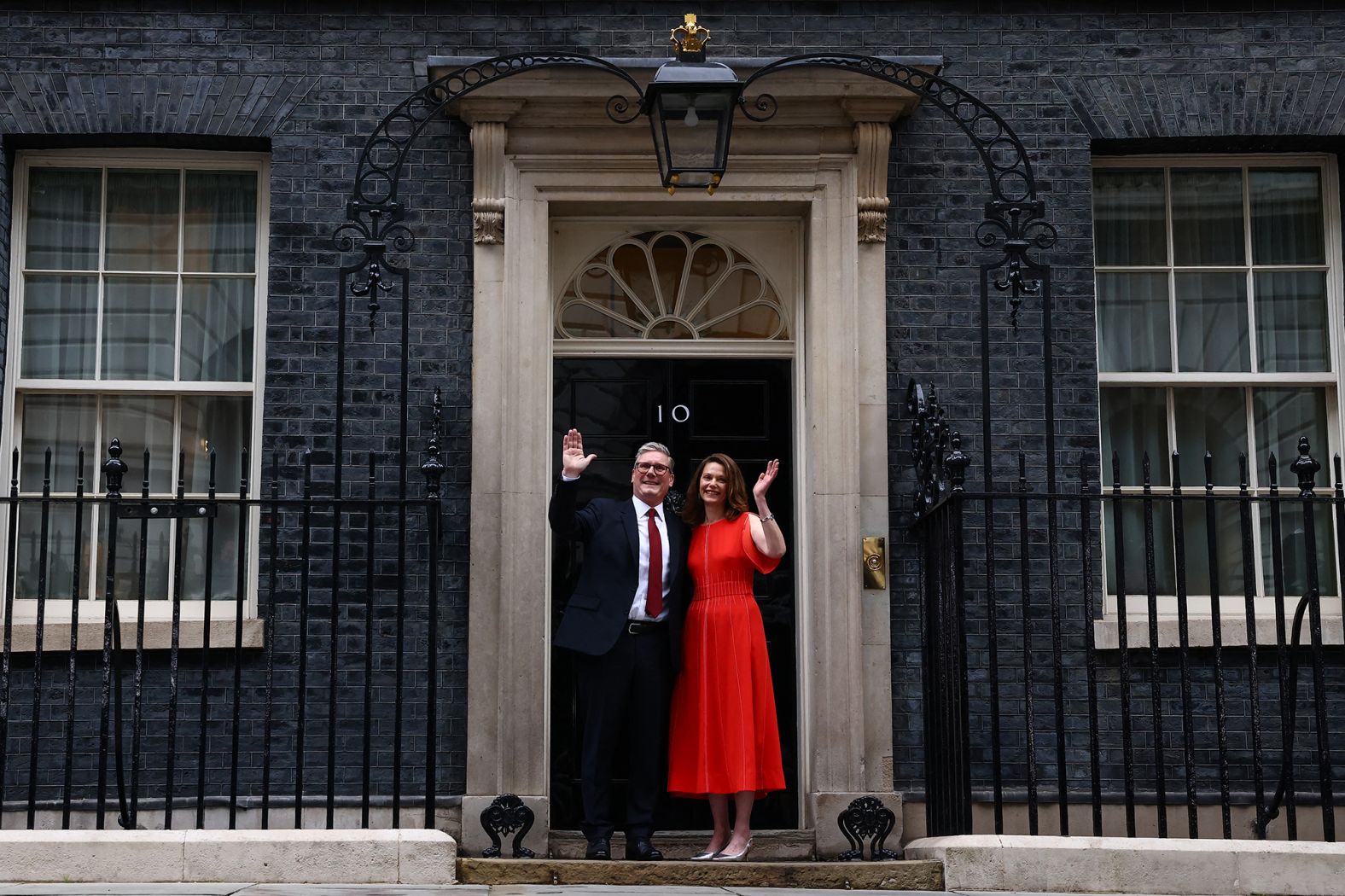
Starmer’s decision follows a sustained period of internal party dissent. According to an Ipsos poll released on June 19, 2026, 52% of the British public believed he should stand down, an increase of five percentage points from May. Tensions were exacerbated by disagreements over fiscal policy and the controversial appointment of Peter Mandelson as U.S. ambassador. In his address outside 10 Downing Street, Starmer acknowledged that his parliamentary colleagues had signaled he was no longer the right person to lead the party into the next general election.
Starmer is the latest in a decade-long cycle of turnover. If a successor is appointed, they will be the United Kingdom’s seventh prime minister in ten years, a period defined by the political volatility following the 2016 Brexit referendum.
Who is the likely successor?
Andy Burnham, the former Mayor of Greater Manchester, has emerged as the clear frontrunner to replace Starmer. Burnham secured a decisive victory in the Makerfield by-election on June 18, 2026, which marked his return to Parliament. Analysts suggest his victory provided the political momentum necessary to challenge for the party leadership. While Burnham previously criticized the U.K.’s reliance on bond markets, he has recently sought to reassure investors, according to reports from CNBC.
How are the markets responding to the political transition?
Financial markets have shown signs of sensitivity to the shift in leadership. Following the announcement, the pound fell 0.19% against the dollar, trading at $1.3207. Yields on 10-year U.K. government bonds, or Gilts, remained stable at 4.8452% on Monday, though they had surged previously in response to Burnham’s by-election win. Kallum Pickering, chief economist at Peel Hunt, noted that while the U.K. is not a fiscal outlier among G7 nations, it currently faces the group’s highest borrowing costs and persistent inflationary pressure.
The pattern of U.K. leadership turnover
The resignation highlights a recurring theme of instability in British politics. Since 2016, the U.K. has seen a rapid succession of leaders, each grappling with the economic aftermath of Brexit and domestic crises:
- David Cameron: Resigned following the 2016 Brexit referendum result.
- Theresa May: Stepped down in 2019 after failing to secure a consensus on EU withdrawal.
- Boris Johnson: Resigned in 2022 following a series of ministerial resignations and misconduct scandals.
- Liz Truss: Departed after 50 days in office following a market-shaking “mini-budget.”
- Rishi Sunak: Served until his defeat in the July 2024 general election.
Frequently Asked Questions
Will there be a general election immediately?
No. Starmer’s resignation triggers a leadership contest within the Labour Party. The winner of that contest will assume the premiership without an immediate general election.
How long will Starmer stay in office?
Starmer stated he will remain in his post until the leadership contest is completed to ensure an orderly handover of power.
What are the primary concerns for the next prime minister?
According to Peel Hunt’s Kallum Pickering, the incoming leader will need to address high public debt, the highest borrowing costs in the G7, and persistent inflation.
What do you think is the biggest challenge facing the next U.K. Prime Minister? Share your thoughts in the comments below or subscribe to our daily briefing for updates on the Labour leadership race.