

UK police under pressure after dying student was handcuffed
The Bias Trap: How Modern Policing is Struggling to Balance Identity and Justice
The tragedy of Henry Nowak is more than a singular failure of police judgment; it is a symptom of a deeper, systemic crisis gripping law enforcement across Western democracies. When the fear of being labelled “racist” outweighs the immediate duty to save a dying person, the fundamental contract between the state and the citizen is broken.
As we move forward, the intersection of identity politics, police training, and public accountability is creating a volatile environment. We are seeing a shift where “procedural justice” is being replaced by “narrative justice,” and the consequences are often lethal.
The Danger of ‘Over-Correction’ in Law Enforcement
For decades, the push to eliminate systemic racism in policing has been a necessary and noble goal. However, we are entering an era of “over-correction.” This occurs when officers become so sensitized to the risk of appearing biased that they succumb to a different, more insidious form of bias: the assumption that certain demographics are inherently victims and others are inherently aggressors.
This psychological shift creates a blind spot. When police officers prioritize the perceived identity of the complainant over the physical evidence—such as a victim bleeding out on a sidewalk—they are no longer practicing objective policing. They are practicing social engineering in real-time.
The trend moving forward will likely be a push back toward risk-based policing. Instead of assessing the race or religion of the parties involved, the focus must return to the immediate threat and the physical state of the individuals. If a person says “I can’t breathe” while bleeding, that is a medical emergency, not a sociological debate.
The Weaponization of Tragedy by Populist Movements
We are witnessing a growing trend where judicial failures are instantly converted into political ammunition. Figures like Nigel Farage and activists like Tommy Robinson utilize these gaps in policing to fuel a narrative of “replacement” or “institutional betrayal.”
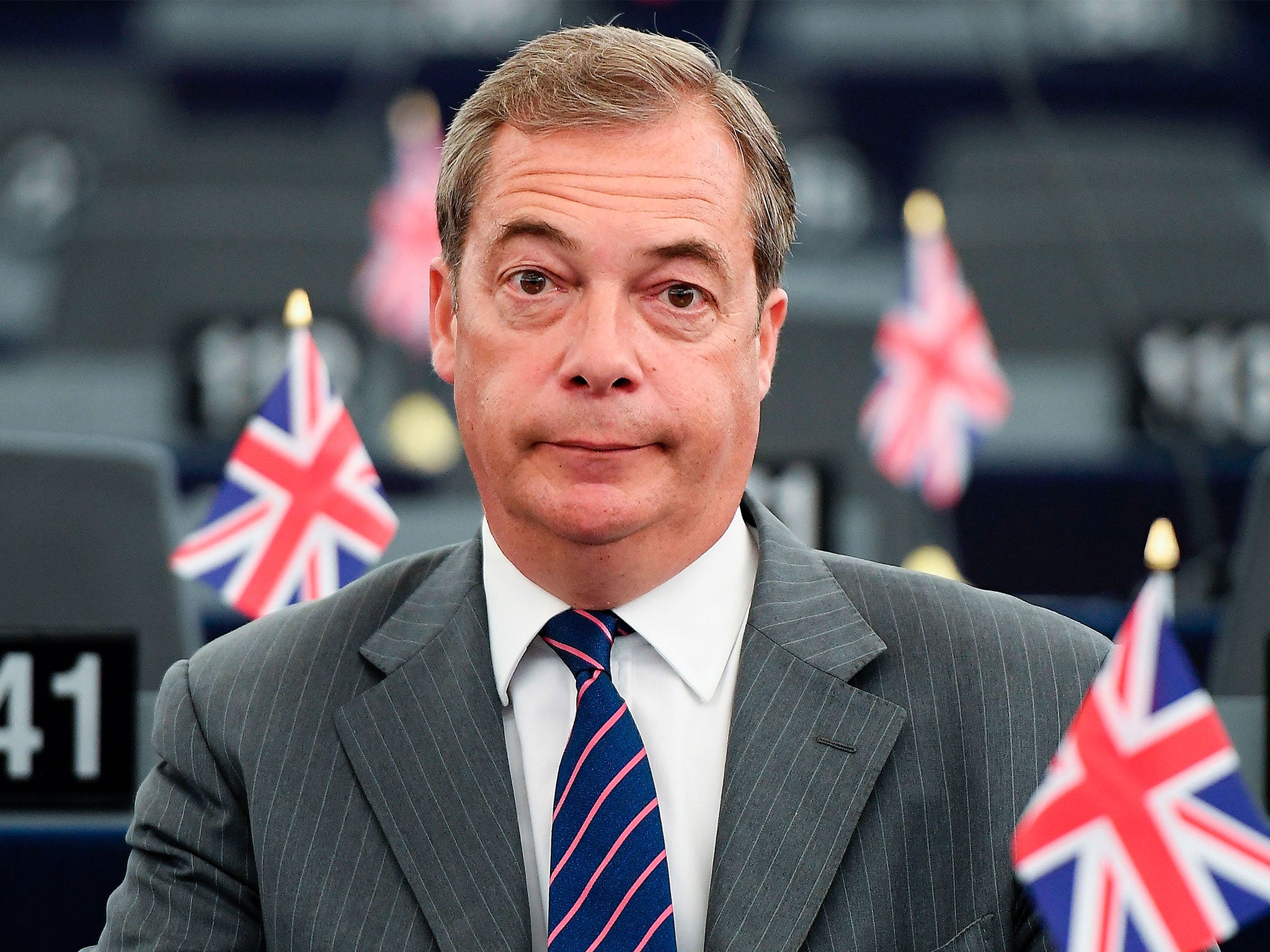
When the state fails to protect a citizen due to a misguided attempt to appear “inclusive,” it provides a goldmine for populist rhetoric. This creates a dangerous feedback loop:
- Police over-correct to avoid political backlash.
- A failure occurs because of this over-correction.
- Populists use the failure to argue that the system is rigged against the majority.
- Public trust in the police collapses further.
To break this cycle, governments must move away from inflammatory rhetoric and toward transparent, independent audits of police conduct. The goal should be universal human rights, not a hierarchy of grievances.
The Bodycam Paradox: Transparency vs. Perception
Body-worn cameras (BWCs) were promised as the ultimate tool for truth. In the Nowak case, the footage was the only reason the world knew the truth about his final moments. However, BWCs are creating a “paradox of perception.”
While the footage provides evidence, it is often consumed as 15-second clips on social media, stripped of context. This leads to “trial by TikTok,” where the public reaches a verdict long before the court does. The future of legal proceedings will have to adapt to this instantaneity, potentially leading to faster preliminary hearings to prevent civil unrest.
Future Trends in Judicial Accountability
We can expect to see a rise in “conduct-based” prosecutions for officers. It is no longer enough for an officer to say they “followed protocol” if that protocol was applied with a blind spot toward a victim’s suffering. The legal standard is shifting toward a “reasonable person” test: would a reasonable person have handcuffed a dying man?
For more on how technology is changing the courtroom, see our analysis on the evolution of digital evidence in criminal law.
Maintaining Social Cohesion in a Fragmented Society
The ultimate challenge for the next decade is maintaining “equality before the law” without erasing the reality of marginalized experiences. The solution isn’t to ignore race or religion, but to ensure they are never the primary lens through which emergency care or justice is administered.
The “pure cold rage” mentioned by political figures is a volatile fuel. The only antidote is a justice system that is seen to be blind—not because it ignores the people, but because it refuses to weigh one life as more “politically sensitive” than another.
Frequently Asked Questions
What is ‘over-correction’ in policing?
It is when law enforcement agencies, in an effort to eliminate bias, inadvertently create new biases or neglect standard procedures to avoid being perceived as discriminatory.
How do body cameras affect police accountability?
They provide an objective record of events, reducing the reliance on officer testimony. However, they can also be used out of context in social media to incite public anger.
Can police officers be held criminally liable for negligence during an arrest?
Yes, depending on the jurisdiction, officers can face charges of misconduct in public office or manslaughter if their negligence directly leads to a death.
Join the Conversation
Do you believe police training has swung too far in one direction, or is there still a long way to go in eradicating systemic bias? We want to hear your perspective.
Leave a comment below or subscribe to our newsletter for deep dives into the intersection of law, and society.