
Ukraine Deploys Jet-Powered Drones to Breach Moscow Air Defenses
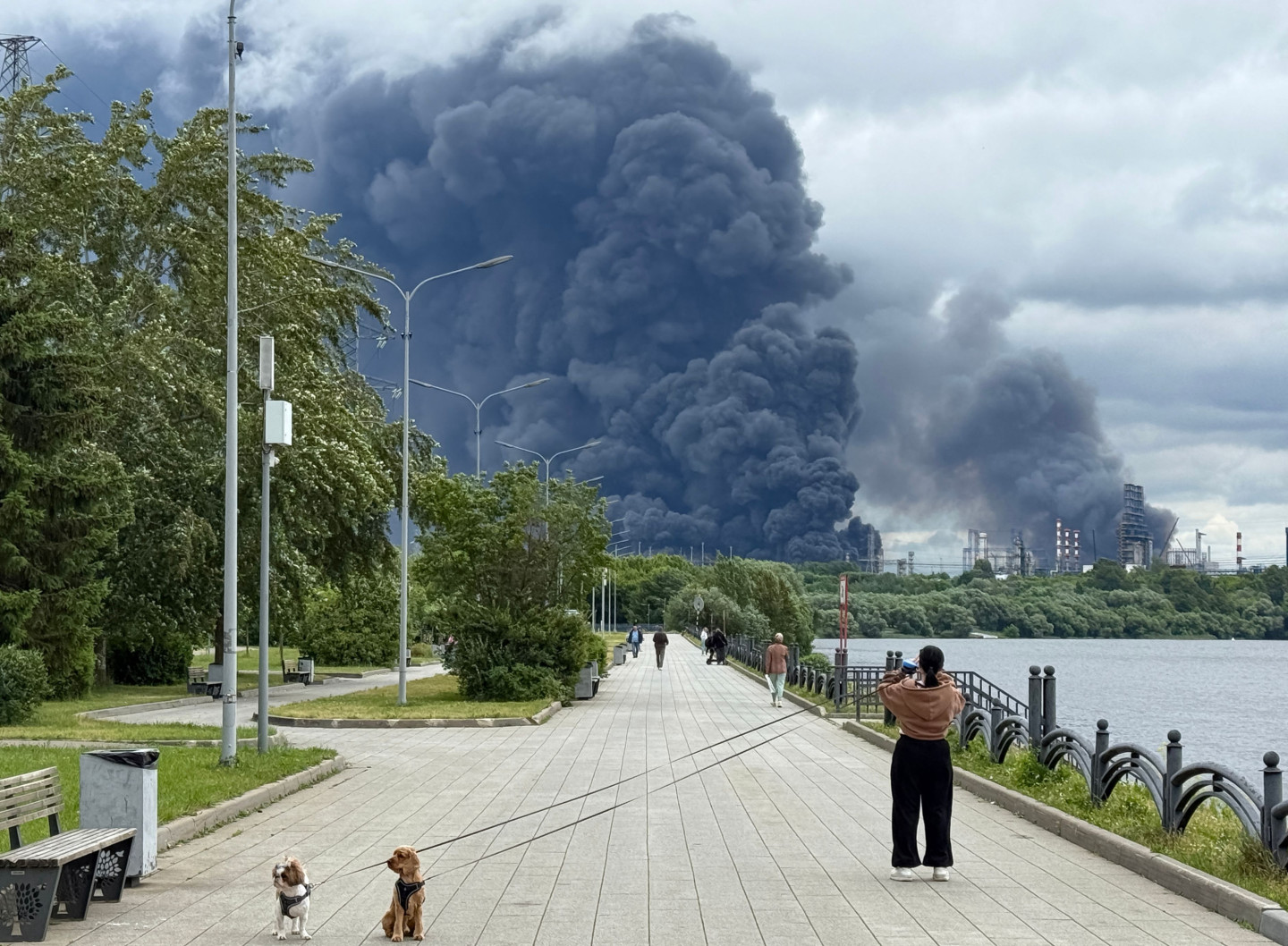
Ukraine deployed jet-powered drones during a June 18 assault on Moscow, targeting a major oil refinery and several locations surrounding the Russian capital. According to sources within the Ukrainian Defense Forces, these advanced systems were utilized to penetrate Moscow’s dense, multi-layered air defense network, marking a significant evolution in the tactical capabilities employed in long-range strikes.
The Moscow oil refinery, a primary target of the June 18 operation, is a critical piece of energy infrastructure that processes approximately 11 million metric tons of oil annually and supplies nearly half of Moscow’s diesel demand.
Operational shift to jet-powered drones
The use of jet-powered drones represents a departure from the traditional, slower long-range unmanned aerial vehicles previously seen in the conflict. Footage uploaded by numerous residents in Russia shows these high-speed platforms operating in the airspace around the capital. Sources indicate that this specific operation was among the most successful deployments of such technology to date, as the drones effectively bypassed defensive measures that observers previously deemed robust.

Ukraine’s shift toward advanced platforms, including the “Peklo,” “Palianitsia,” and “Bars” systems, has accelerated through late 2025 and into 2026. These systems were designed to challenge the effectiveness of Russian air defenses, which sources claim performed poorly during the June 18 engagement.
Impact on Moscow’s air defense strategy
The success of the strike suggests a potential depletion of Russian interceptor resources. Analysts note an increasing reliance on older or less capable interceptor missiles to counter incoming threats. According to sources, the “Pantsir” air defense system—a primary tool for anti-drone defense—relies on various missile types with inconsistent levels of effectiveness, creating gaps that newer Ukrainian systems are designed to exploit.
Samantha Carter notes that the move toward jet-powered platforms suggests Ukraine is prioritizing speed to overcome the “layered” defense strategy Russia has built around its capital. By forcing these systems to fire at high-velocity targets, Ukraine may be intentionally accelerating the exhaustion of Russia’s limited high-end interceptor stocks, potentially leaving critical infrastructure more vulnerable to subsequent, lower-cost waves of attacks.
Consequences for regional energy infrastructure
The June 18 attack was the second strike against the Moscow oil refinery in three days, following an initial drone operation on June 16. The Security Service of Ukraine (SBU) reported that the earlier strike damaged the refinery’s primary crude oil processing unit. Reports from Reuters indicate that the facility ceased operations following the most recent attack. This facility had long been considered one of Russia’s most protected industrial sites, protected by at least five “Pantsir” systems positioned on towers and elevated platforms.
Future outlook
Given the scale of the June 18 attack, which involved more than 180 drones according to Moscow Mayor Sergei Sobyanin, the conflict may see an escalation in the intensity of long-range aerial warfare. If the depletion of Russian air defense resources continues, the frequency of successful penetrations into protected areas could increase. Future operations might focus on further testing the endurance of the “Pantsir” systems and the availability of replacement interceptor munitions.

Frequently Asked Questions
What was the target of the June 18 drone attack?
The primary target was the Moscow oil refinery, a critical facility that provides approximately 50% of the capital’s diesel supply.
Why are jet-powered drones considered a tactical shift?
Unlike traditional long-range drones, these jet-powered systems offer higher speeds, which sources state are necessary to overcome the dense, multi-layered air defense networks protecting Moscow.
What is the current status of the Moscow oil refinery?
Following the June 18 attack, reports indicate the refinery has stopped its operations after sustaining damage to its main crude processing unit during the multi-day assault.
How might the continued use of high-speed drone technology influence the defensive strategies of industrial hubs deep within Russian territory?