

Ukraine Launches Largest Drone Attack on Moscow, Hitting Oil Refinery
Ukraine launched its largest drone offensive against Moscow in years on Thursday, June 18, 2026, striking a major oil refinery and forcing the temporary closure of the nation’s busiest airports. According to reports from the TASS news agency, the operation resulted in fires across the capital region, with smoke visible from the Kapotnya district refinery, while Russian air defenses claimed to have intercepted hundreds of incoming unmanned aerial vehicles across the country.
Operational Impact and Infrastructure Damage
The strikes caused significant disruptions to Moscow’s civil aviation and industrial infrastructure. Sheremetyevo International Airport, the country’s busiest, evacuated passengers to “safe locations” during the incident, according to official statements. Operations at Moscow airports were suspended for several hours, resulting in hundreds of flight delays before services resumed around 11:00 a.m. local time.
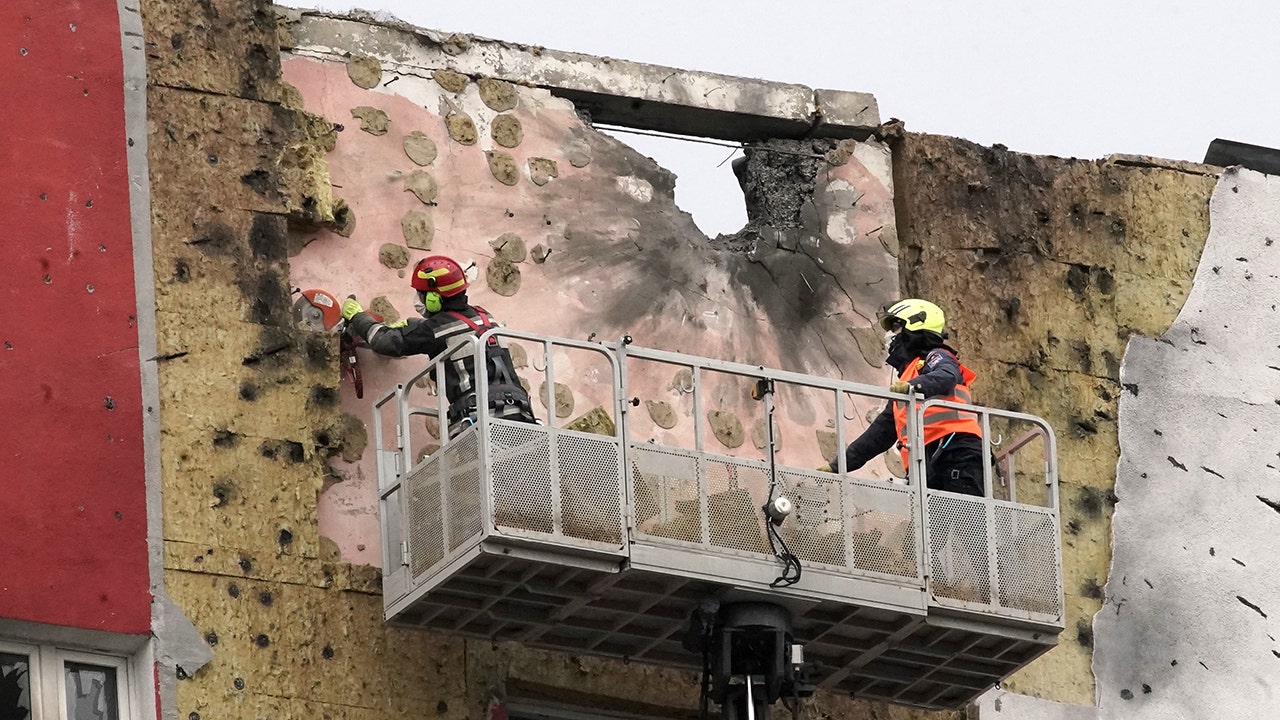
In the Kapotnya district, authorities reported a fire at the Moscow Oil Refinery (MNPZ). While Moscow Mayor Sergei Sobyanin confirmed via Telegram that several drones reached the facility, he did not specify the extent of the damage. Additional incidents were recorded in the Moscow region, including a drone strike on an apartment building in the Zhukovsky district and a fire at a shopping center triggered by falling debris, as reported by regional Governor Andrey Vorobyov.
Strategic Consequences and Future Outlook
The intensity of the exchange marks a significant escalation in regional hostilities. While President Volodymyr Zelensky characterized the strikes as a “fully justified” response to Russian actions, the Russian Ministry of Defense reported that its air defenses intercepted approximately 180 drones near Moscow alone since Wednesday evening. Simultaneously, the Ukrainian air force stated that Russia launched more than 200 drones and several ballistic missiles into Ukraine during the same period.
Analysts expect that the continued targeting of oil infrastructure could further strain Russia’s internal economy, which relies on these facilities to fund its military operations. A possible next step in this conflict involves intensified aerial maneuvering, as both sides appear to be utilizing large-scale drone deployments to exert pressure while formal diplomatic negotiations remain at a standstill.
Frequently Asked Questions
Which facilities were targeted in the Moscow strikes?
According to reports, the primary targets included the Moscow Oil Refinery (MNPZ) in the Kapotnya district, as well as residential and commercial areas in the Zhukovsky district and surrounding Moscow suburbs.
How did the drone activity affect civilian travel?
All Moscow airports, including the primary hub Sheremetyevo, were closed for several hours, causing hundreds of flight delays and requiring the evacuation of passengers to safe areas.
What were the casualties reported from this wave of attacks?
While no casualties were explicitly linked to the Moscow strikes, the governor of the Rostov region in southern Russia reported that one person was killed and at least two others were injured following a separate Ukrainian drone attack in that area.
Will the increasing focus on industrial energy targets lead to a shift in how both nations approach current diplomatic deadlocks?