

Ukraine Strikes Moscow City and Oil Refinery Amid Growing Fuel Shortages
Ukrainian forces launched a large-scale drone strike against Moscow and the Moscow Oil Refinery on June 17–18, marking the second such attack on the facility in 48 hours. According to the Institute for the Study of War (ISW), these deep-rear strikes underscore vulnerabilities in Russian air defense systems and are fueling domestic concerns regarding security and state censorship.
How are Russian domestic reactions evolving?
Russian military bloggers have begun openly questioning the effectiveness of the Kremlin’s air defense umbrella. Following the strikes on Moscow City, reports from the ISW indicate that these influencers are increasingly highlighting the disconnect between official state narratives and the reality of the war reaching the Russian capital. By targeting the Moscow Oil Refinery, Ukraine is signaling a strategy to pressure Russia’s domestic fuel supply, which is reportedly already strained. To mitigate these shortages, Russia has turned to imports from Asian markets, a dependency that analysts expect will intensify as summer energy demand peaks.
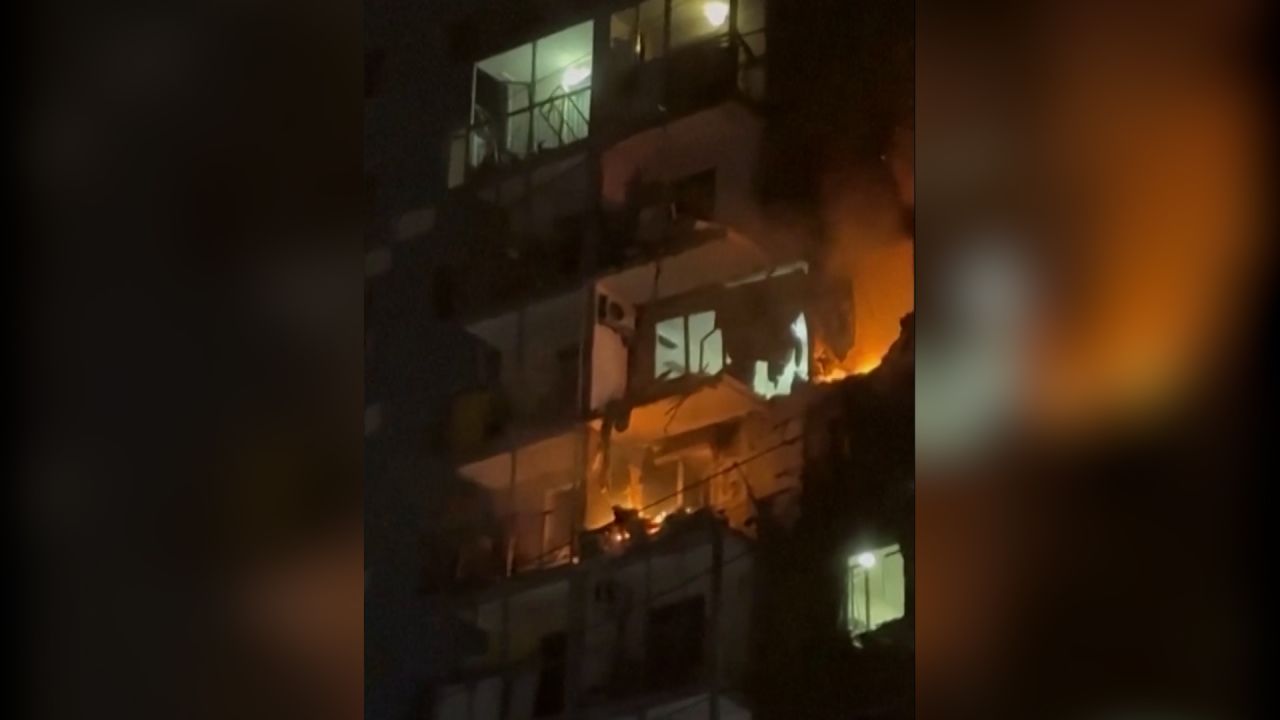
The recent wave of attacks included 239 drones and seven Iskander-M ballistic or S-400 air defense missiles launched against Ukraine, demonstrating the high volume of munitions currently being expended by both sides in the conflict.
Why is the Kremlin focusing on the bus incident?
The Russian government is actively setting conditions to leverage an alleged Ukrainian strike on a civilian passenger bus to justify upcoming military actions. According to the ISW, this narrative is a tactical move intended to provide a domestic and international pretext for a new, large-scale long-range strike package against Ukrainian infrastructure. By framing the incident as an unprovoked attack on civilians, Moscow aims to consolidate public support for retaliatory strikes that might otherwise face scrutiny.
What is the current status of the front lines?
While the focus remains on deep-rear strikes, ground operations continue to shift. Russian forces have achieved marginal gains in the Slovyansk direction, according to operational reporting. These tactical advancements occur alongside continued international military support for Ukraine, including state-sponsored purchases of U.S.-made weaponry. This dual-track reality—steady, incremental ground pressure from Russia and high-tech, long-range disruption from Ukraine—defines the current phase of the conflict.
Comparison: Escalation Patterns
| Metric | Ukrainian Strategy | Russian Strategy |
|---|---|---|
| Targeting | Deep-rear infrastructure/Refineries | Civilian infrastructure/Frontline advancement |
| Logistics | Reliance on Western-aided procurement | Reliance on Asian fuel imports |
To track the long-term impact of these strikes, monitor regional fuel prices in Russia and official announcements from the Russian Ministry of Defense regarding “retaliatory” missile campaigns.
Frequently Asked Questions
Why are Ukrainian forces targeting oil refineries?
Striking refineries is a strategic effort to create domestic fuel shortages and pressure the Russian economy, forcing Moscow to divert resources to secure its rear areas.
Are Russian air defenses failing?
While Russia maintains a robust air defense network, the repeated success of Ukrainian drones in reaching Moscow suggests significant gaps in coverage, a point frequently raised by Russian military bloggers.
How is Russia addressing fuel shortages?
Russia is reportedly importing gasoline from unspecified Asian countries to stabilize its domestic supply, according to recent intelligence reports.
Stay informed on the latest developments in Eastern Europe. Subscribe to our weekly intelligence newsletter or join the conversation in the comments below.