
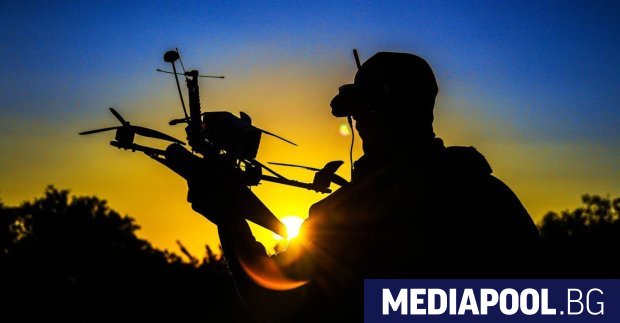
Ukraine to Seek $20 Billion in Emergency Defense Aid to Boost Drone Strikes Against Russia
Ukraine is seeking an additional $20 billion in military aid from NATO allies to expand its drone-led campaign against Russian logistics and supply lines, according to reports from Politico. This request follows $38 billion in already promised support for the year. Ukrainian officials intend to present this proposal at the June 18 Ramstein-format meeting in Germany, aiming to sustain recent tactical successes that have disrupted fuel and food supplies to occupied territories and Crimea.
Why is Ukraine requesting $20 billion in additional funding?
The Ukrainian Ministry of Defense reports that the funding is required to capitalize on the recent success of medium and long-range drone strikes. According to a high-ranking official within the ministry, the goal is to systematically paralyze Russian rear infrastructure. By targeting air defense systems, supply routes, and communication lines, Ukraine claims it has disrupted the Russian military’s ability to maintain offensive momentum. Minister of Digital Transformation Mykhailo Fedorov described the strategy as using “the dry mathematics of war” to systematically dismantle enemy logistics.
Data from Bloomberg, citing the Ukrainian Ministry of Defense, shows that strikes on Russian fuel tankers increased by 40% in May compared to April, while the destruction of Russian air defense complexes more than doubled.
How has the drone war shifted the tactical landscape?
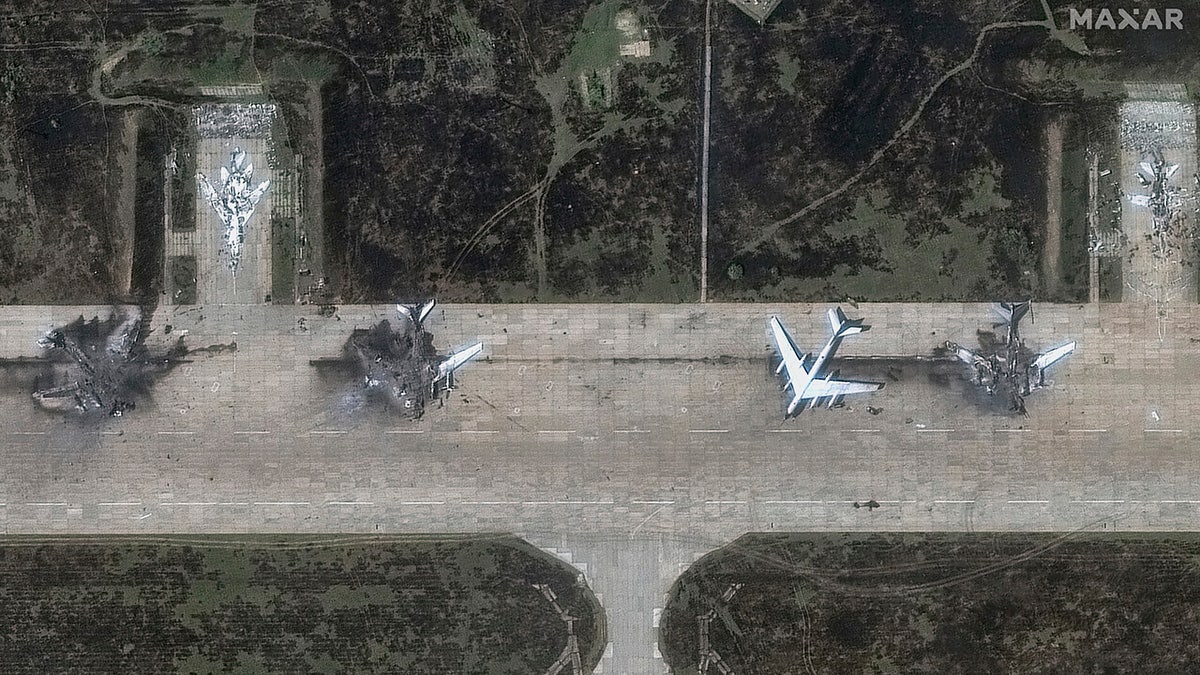
The introduction of large numbers of medium-range drones, capable of striking targets at distances of 200–300 kilometers, has fundamentally altered the security of Russian rear areas. According to the Ukrainian Ministry of Defense, these strikes have effectively compromised the “Novorossiya” federal highway, a critical supply artery for Crimea. This has resulted in localized fuel shortages and food delivery issues in the peninsula. By neutralizing Russian air defense units, Ukraine has further cleared the path for long-range drones to strike energy and military infrastructure deep within Russian territory.
What are the risks of a closing “window of opportunity”?
Ukrainian officials warn that the current tactical advantage is temporary. A source told Politico that if Russia is granted time to adapt, the opportunity to force a favorable negotiation through military pressure could be lost. The concern is centered on the rapid evolution of Russian drone technology. Reports from the Telegram channel “Volya” indicate that Russia has begun closing the gap in drone capabilities, with “Lightning” (Molniya) type drones now reportedly striking targets up to 70 kilometers away—a significant increase from their previous 30-kilometer operational radius.
Comparison: The Escalating Drone Arms Race
| Metric | Ukrainian Capability | Russian Capability (Reported) |
|---|---|---|
| Operational Range | Up to 300 km | Up to 70 km (increasing) |
| Primary Target | Logistics, Fuel, Air Defense | Frontline/Rear infrastructure |
Frequently Asked Questions
Will the $20 billion request be discussed at the NATO summit?
Yes, aid for Ukraine is expected to be a central topic at the upcoming NATO leaders’ meeting in Ankara, where President Volodymyr Zelenskyy has been invited as a guest.

How do Ukrainian officials propose the $20 billion be funded?
The Ministry of Defense has suggested that NATO countries contribute between $2 billion and $6 billion each to reach the target. These funds could be provided through a mix of grants and loans.
Why is the destruction of air defense systems considered a priority?
According to Ukrainian military analysis, neutralizing air defense is essential to clearing “safe corridors” for the deployment of long-range drones against strategic targets inside Russia.
Follow official statements from the Ukraine Defense Contact Group (Ramstein) for the most accurate updates on military aid packages, as these meetings often set the framework for international defense contributions.
Stay informed on the latest developments in defense technology and geopolitical strategy by subscribing to our daily newsletter. Have thoughts on the evolving drone conflict? Share your perspective in the comments section below.