

Ukraine’s Logistics Blockade Triggers Fuel Crisis in Crimea
Ukraine has launched a “logistics blockade” of Crimea, using drone strikes to target fuel trucks, trains, and bridges to isolate the peninsula. This operation has triggered fuel rationing, severe shortages, and an 80% drop in early summer tourist bookings, according to Russian travel system data and Ukrainian officials.
Why is Crimea facing a fuel crisis?
Ukraine is targeting the “Novorossiya” highway and bridges connecting Crimea to Russian-occupied Ukraine. Robert Brovdi, head of Ukraine’s unmanned systems forces, told Reuters that traffic on the main highway has decreased by two-thirds, though this figure is not independently verified.
Fuel supplies are further restricted because transport via the $7.5 billion (6.54 billion euro) Kerch Bridge has been banned since Autumn 2022. This ban followed a fuel tanker explosion that damaged the bridge’s structure. Additionally, the last Russian railway bridge to Crimea was destroyed in April.
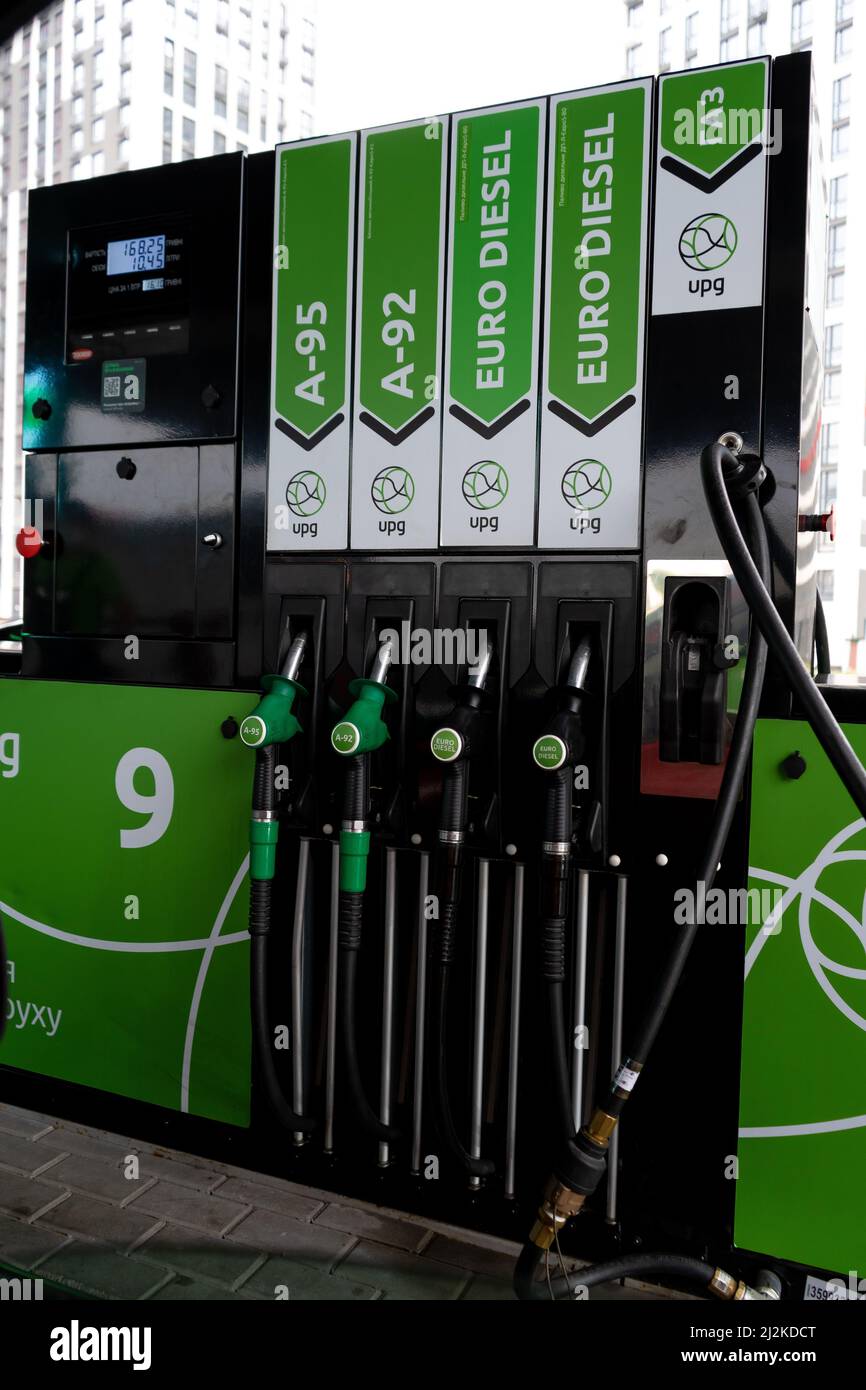
The shortage has led to fuel rationing and total sales halts at some stations. One photographer documented spending eight hours in a fuel line, while social media posts from tourists show empty stations with deactivated price signs.
How is the logistics blockade impacting the local economy?
Tourism, a primary economic driver for the peninsula, is seeing a sharp decline. Russian travel booking data shows that nearly 80% of reservations for the last week of May and first week of June were canceled.
Local business owners are advising against visiting. Marina Vorobjova, a rental provider, cited fuel shortages and air sirens occurring every two to three hours as reasons to avoid the region. Winemaker Irina Bogovič described traveling to Crimea currently as “playing Russian roulette.”
Panic buying has also emerged among residents. A woman in northern Crimea told The New York Times that daily life has become a “hunt for gas or cheap sugar,” noting that shelves in some stores are empty of rice, pasta, and sugar.
What are the military and strategic implications?
Ukraine is leveraging its drone production, with plans to produce 7 million units this year. Defense Minister Mykhailo Fedorov stated that Ukraine carried out twice as many strikes in May as in April within 48 km of the front line.
Robert Brovdi compared striking Russian military vehicles on the exposed highway to “shooting cans in an open field.” Analysts suggest this blockade could weaken Russian forces in high-activity front sectors where Ukrainian troops are launching counterattacks.
Ruslan Leviev, head of the Conflict Intelligence Team, described Crimea as a “narrow passage” that allows Ukraine to apply pressure more effectively than at any other point on the front line.
What may happen next?
Robert Brovdi stated that Ukraine hopes to gain “complete control” of the Novorossiya highway within a month. However, Ruslan Leviev warned that dominating the 297 km stretch of road may require significantly more drones than currently deployed.

The logistics crisis could extend further into Russian-occupied territories. A resident of the Donbas region named Jaroslav reported that fuel shortages intensified in late May, suggesting that former rear areas are no longer secure.
While Kremlin spokesperson Dmitry Peskov dismissed reports of shortages as “unjustified haste,” Sevastopol Governor Mikhail Razvozhayev admitted that fuel trucks failed to reach the city overnight, warning residents not to wait in lines.
Frequently Asked Questions
What is the “logistics blockade” in Crimea?
It is a Ukrainian operation involving drone strikes on fuel trucks, trains, and bridges to disrupt the movement of essential goods and military supplies to the peninsula.
How has the Kerch Bridge been affected?
Fuel transport across the bridge has been banned since Autumn 2022 after an explosion involving a fuel tanker damaged the structure.
What is the impact on Crimean tourism?
According to Russian travel booking systems, nearly 80% of bookings for late May and early June were canceled due to fuel crises and security concerns.
Do you think the economic pressure on tourism will influence the strategic value of the peninsula?