
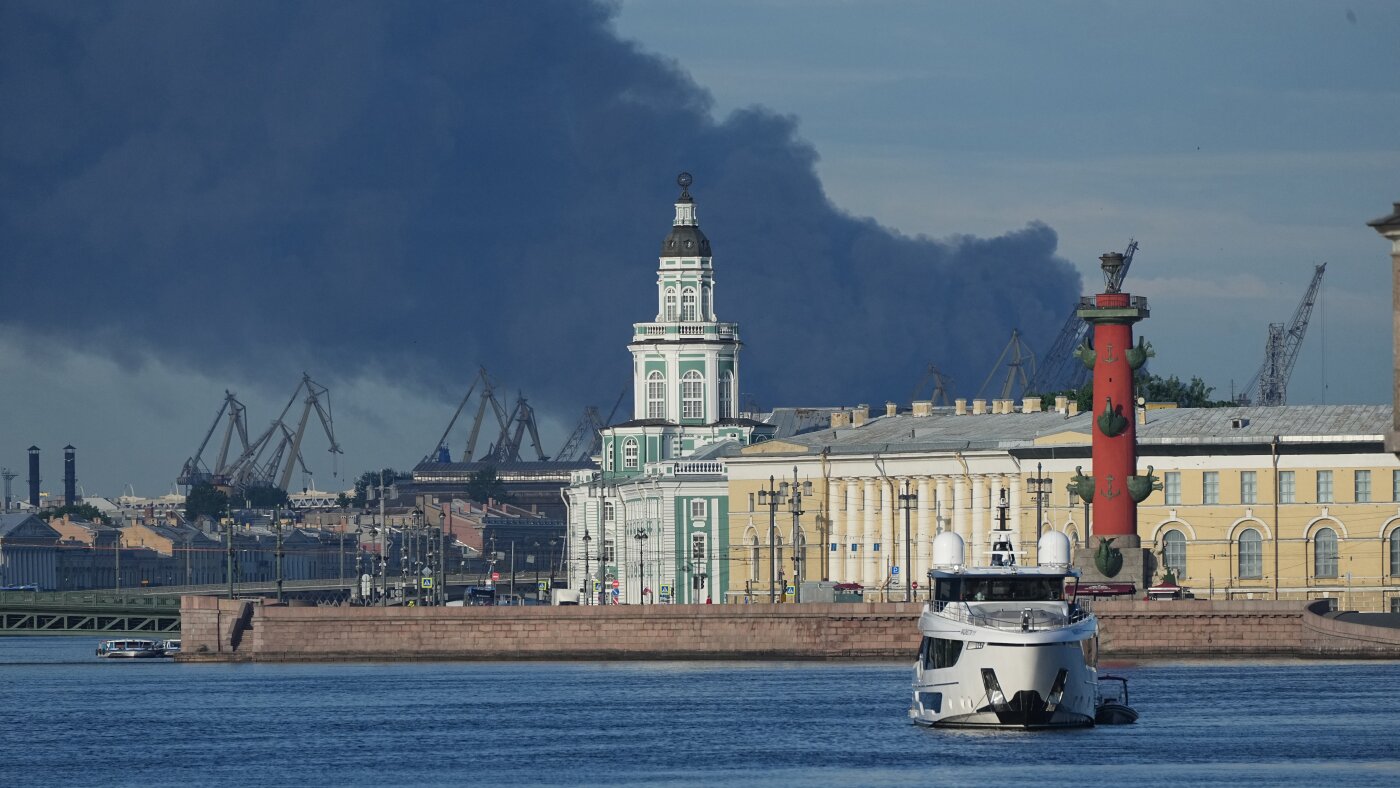
Ukrainian Drone Strike Hits St. Petersburg Oil Terminal
The human cost of the ongoing conflict between Russia and Ukraine has reached a sobering new peak as long-range drone warfare intensifies. On Wednesday, June 3, 2026, a series of coordinated strikes targeted both infrastructure and civilian areas, leaving communities in both nations to manage the immediate trauma and medical consequences of the violence.
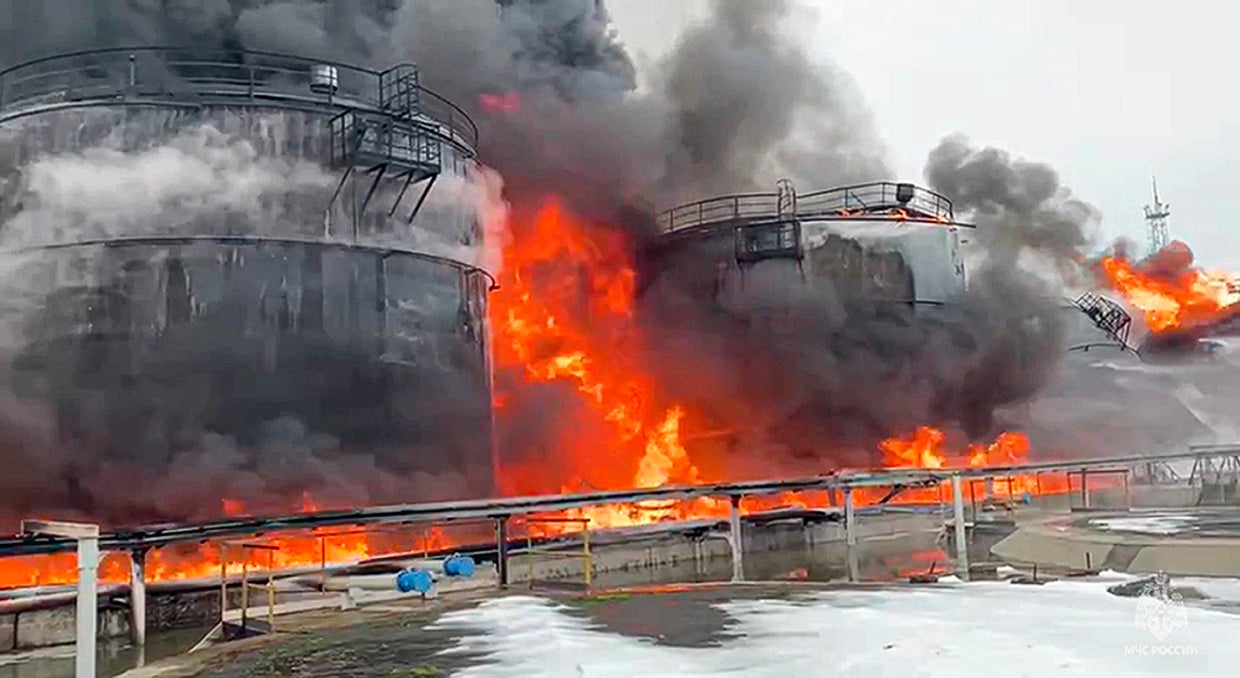
In St. Petersburg, Ukrainian long-range drones traveled over 1,000 kilometers to strike an oil terminal, triggering large plumes of black smoke and forcing the temporary suspension of airport operations. While the primary objective of these strikes is to disrupt Russia’s oil production and weapon manufacturing capabilities, the kinetic nature of the attacks has resulted in direct injuries to individuals and significant disruptions to local civilian life.
The Escalating Health and Safety Crisis
The physical toll of these hostilities is widespread. In the Smolensk region, a drone attack resulted in the deaths of two firefighters, with two additional firefighters and a local resident sustaining injuries. Simultaneously, in the Russia-controlled portion of the Donetsk region, a strike on a bus traveling from Moscow to Crimea claimed seven lives and left 11 others injured.
The situation remains equally dire for Ukrainian civilians. In the northern Sumy region, recent Russian strikes killed one civilian and left 15 people injured, including three children. In the southern Kherson region, an 86-year-old woman was killed and five others were wounded due to overnight shelling and drone activity. These events follow a massive assault on Kyiv and other cities that resulted in at least 22 deaths and 138 injuries.
Looking Ahead
As the conflict enters its fifth year with no clear resolution, the reliance on swarms of drones is likely to continue, further complicating battlefield movements and civilian safety. Analysts suggest that as both nations attempt to gain a strategic edge, the frequency of these long-range strikes may persist, potentially leading to further strain on regional healthcare systems and emergency response units. The ongoing disruption of infrastructure, such as the cutting of mobile internet services and the suspension of transport hubs, indicates that the civilian population will remain in a state of high vulnerability.
Frequently Asked Questions
What was the primary target of the drone strikes in St. Petersburg?
The strikes targeted an oil terminal and the Kronstadt naval base, which serves as a facility for Russia’s Baltic Fleet.
How have these attacks impacted civilian safety?
The attacks have caused numerous casualties, including the deaths of firefighters, bus passengers, and civilians in both Russian and Ukrainian territories, while also wounding dozens, including children.
Why are these strikes occurring now?
The strikes are part of an ongoing escalation where both sides are utilizing long-range drones to disrupt oil production, weapon manufacturing, and logistical capabilities, while also responding to barrages launched by the opposing force.
How do you believe the continued use of long-range drone technology will reshape the long-term mental and physical health landscape for civilians living in these conflict zones?