
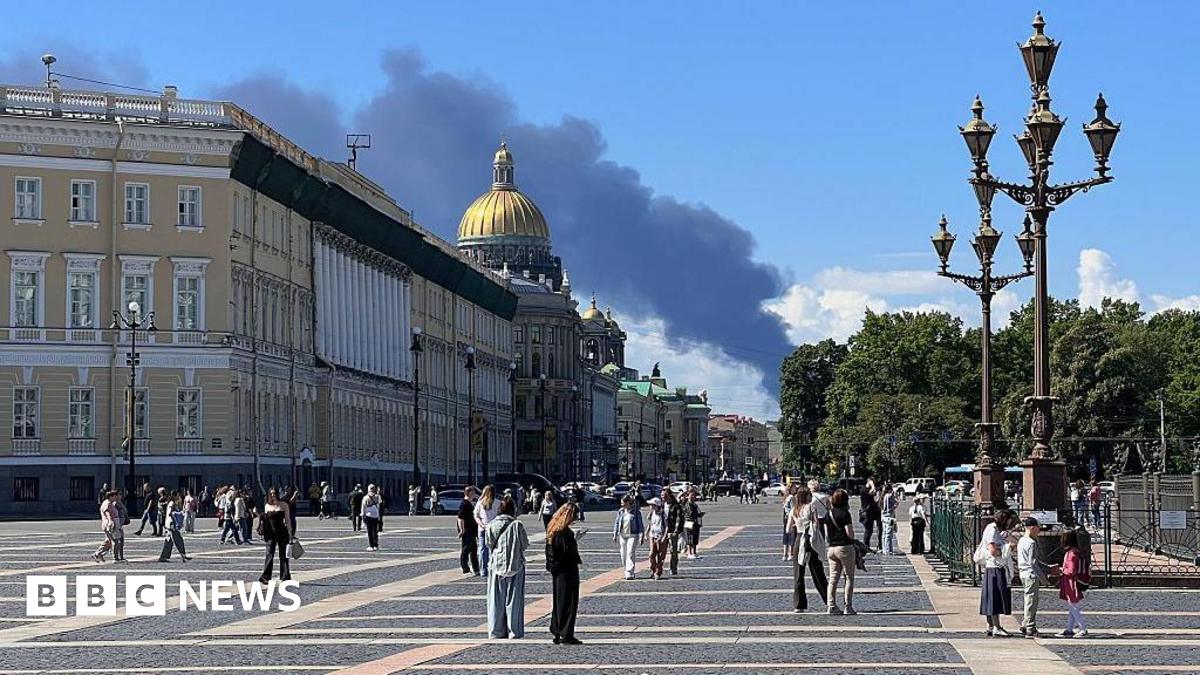
Ukrainian drones hit St Petersburg as Putin’s flagship economic forum opens
The St. Petersburg Paradox: When Diplomacy Meets Asymmetric Warfare
The St. Petersburg International Economic Forum has long been a barometer for Russia’s global standing. However, the guest list for the latest gathering—featuring a curious mix of US political figures, Hollywood celebrities, and high-profile commentators—signals a shift in how international soft power is being leveraged in an era of deepening geopolitical fissures.
While the optics of the forum aim for normalcy, the reality on the ground tells a grimmer story. As diplomatic lines blur, the rise of low-cost, high-impact technologies is fundamentally altering the nature of modern conflict, turning economic hubs into potential tactical targets.
The Drone Revolution: Changing the Rules of Engagement
The recent digital commentary surrounding the forum—highlighted by Ukrainian defence firms posting footage of drone strikes—underscores a new paradigm. We are no longer in an era where frontlines are clearly defined by trenches or vast infantry movements.
Today, the booming defence sector in Ukraine is proving that asymmetric warfare can bring the consequences of a conflict directly to the doorstep of the aggressor. By focusing on energy infrastructure and oil facilities, Kyiv has moved beyond traditional military targets, aiming to disrupt the financial “war machine” that sustains long-term campaigns.
Asymmetric Threats to Economic Hubs
The trend is clear: economic forums and high-profile summits are increasingly vulnerable to “influence operations” that go beyond just rhetoric. When defence contractors use social media to highlight strikes during international events, they are engaging in a sophisticated form of psychological warfare. This shifts the focus from the forum’s agenda to the instability of the host nation.
Soft Power and the New Diplomatic Landscape
The presence of figures like Rodney Mims Cook Jr., Candace Owens, and Steven Seagal at a Russian forum is more than just a headline; it reflects the fracturing of global narratives. In the past, such forums were dominated by heads of state and CEOs. Now, they are becoming arenas for “influencer diplomacy.”

Pro Tip: When analysing geopolitical news, look past the official press releases. The “unofficial” guest list often tells a more accurate story about which nations are attempting to bypass traditional diplomatic channels to maintain back-channel influence.
The Human Cost of Technological Advancement
While technology evolves, the human toll remains the most critical metric. The escalation of drone and missile strikes—hitting both passenger transport and urban centers—serves as a grim reminder that every technological advance in the theater of war correlates with increased civilian risk.
As these weapon systems become more autonomous and harder to intercept, the distinction between “military infrastructure” and “civilian life” continues to erode. This is the most dangerous trend of the next decade: the normalization of precision strikes in densely populated areas.
Frequently Asked Questions
How are drones changing the landscape of international relations?
Drones allow nations to project power over long distances at a fraction of the cost of traditional air forces. This forces adversaries to spend heavily on air defence, creating a “cost-exchange ratio” that heavily favors the attacker.

Why are non-state actors focusing on energy infrastructure?
Energy infrastructure is the backbone of any war economy. By targeting oil refineries and depots, forces can stifle a nation’s ability to fund its military operations and sustain logistics without necessarily engaging in a direct ground invasion.
What is the role of “influencer diplomacy” in modern conflicts?
It helps actors bypass traditional media gatekeepers, allowing them to communicate directly with niche audiences and shape public perception in foreign countries, often creating internal division within the target nation.
What do you think is the biggest risk to global stability in the coming years? Is it the rise of autonomous weaponry or the breakdown of traditional diplomacy? Join the conversation by leaving a comment below or subscribe to our intelligence brief for weekly updates on global security trends.