
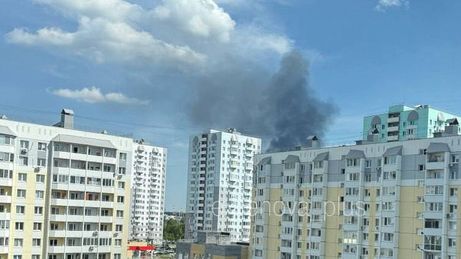
Ukrainian Drones Target Oil Refinery in Tyumen, Russia
Ukrainian drone strikes targeted the Tyumen oil processing plant and other Russian regions on Saturday, with the Russian Ministry of Defense reporting 57 drones destroyed over Tyumen, Moscow, and Tatarstan, according to Interfax. While Telegram source Moor claimed the refinery suffered no damage and employees were evacuated, Serhiy Sternenko, an advisor to the Ukrainian Defense Minister, reported that local residents heard at least two explosions.
Why are oil refineries becoming primary targets?
Energy infrastructure is the focal point of current attrition strategies. The Tyumen refinery has been attacked repeatedly, according to reported data. By hitting refineries, Ukraine aims to disrupt Russian fuel production and export revenues.
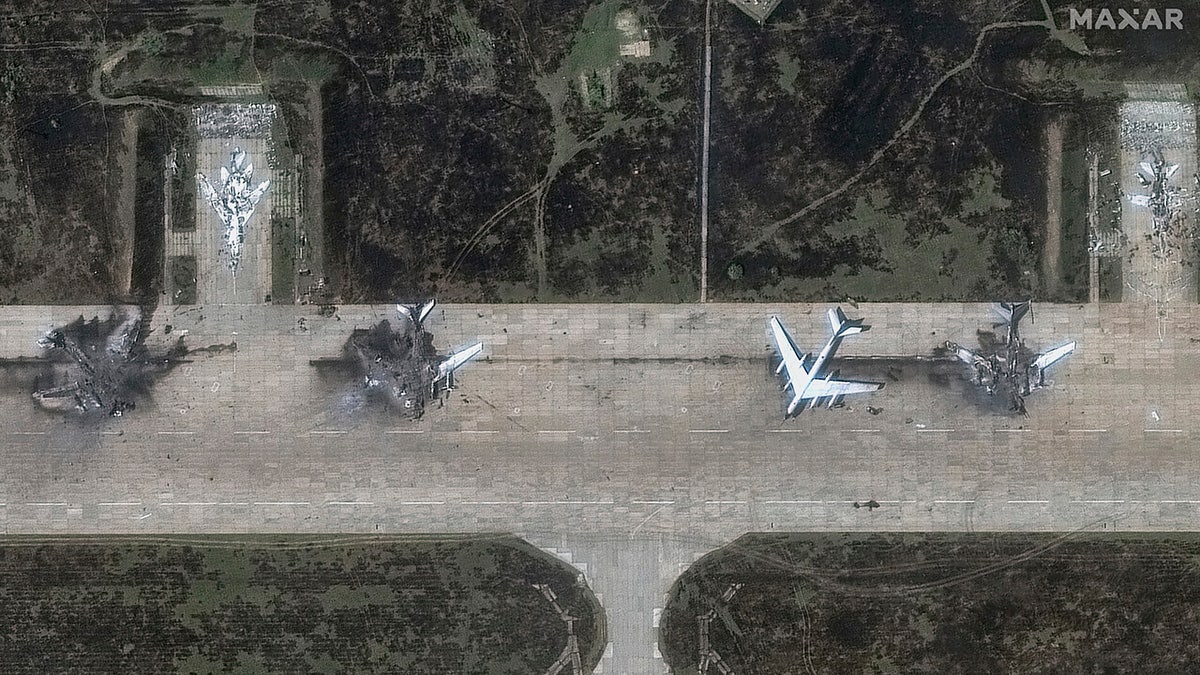
This shift toward economic targets creates a ripple effect. When a plant reduces pressure in its equipment—as the Tyumen facility did during the recent alert—production slows. Even if a drone is intercepted, the operational downtime causes financial loss.
How is the scale of drone warfare evolving?
The volume of drones is increasing. The Russian Ministry of Defense reported 57 drones intercepted between 7:00 and 14:00 on a single Saturday across just three regions. This suggests a move toward “swarm” tactics designed to overwhelm air defense systems.
The targeting list is expanding. Beyond Tyumen and Moscow, drones were reported over Bryansk, Voronezh, Ryazan, Tambov, and Crimea. This forces Russia to spread its air defense assets thin across a massive landmass rather than concentrating them at the front lines.
Comparing official reports vs. local accounts
There is a consistent gap between official military statements and on-the-ground reports. The Russian Ministry of Defense claims drones were “intercepted and destroyed,” while Serhiy Sternenko cited local reports of explosions on X (formerly Twitter).
Video footage from the scene showed flames and smoke rising from the Tyumen plant. While it remains unclear when the footage was filmed, it contrasts with the claim that the plant remained entirely unscathed.
What happens next for deep-territory strikes?
Expect more strikes on “deep” targets. The inclusion of Perm and Tatarstan in the recent wave shows that distance is no longer a primary deterrent. Ukraine is likely to continue targeting the “bottlenecks” of the Russian economy—refineries and depots.

Russia will likely respond by increasing the density of electronic warfare (EW) systems around energy hubs. However, the cost of launching a drone is a fraction of the cost of the missile used to shoot it down, creating an economic imbalance in the air war.
Frequently Asked Questions
Was the Tyumen refinery damaged?
Reports conflict. Moor on Telegram stated the plant was not damaged, while Serhiy Sternenko reported explosions and the plant’s emergency pressure reduction.
How many drones were involved in the recent wave?
The Russian Ministry of Defense, via Interfax, stated 57 drones were destroyed over Tyumen, Moscow, and Tatarstan alone.
Which other regions were targeted?
Drones were reported over Belgorod, Bryansk, Voronezh, Kursk, Ryazan, Tambov, Perm, and Crimea.
Do you think the shift toward energy infrastructure will change the conflict’s timeline? Let us know your thoughts in the comments below or subscribe to our newsletter for daily intelligence updates on the war in Ukraine.