

UN AIDS Summit Opens, UNAIDS Pushes for 2030 End Target
UN Member States met June 22-23 to adopt a new Political Declaration on HIV/AIDS. According to UNAIDS, while AIDS-related deaths fell 56% since 2010, progress is threatened by a record 23% drop in global development assistance in 2025, risking the 2030 goal to end AIDS as a public health threat.
What is the current state of the global HIV response?
Sustained investment and scientific advances have led to significant gains. UNAIDS 2025 data shows new HIV infections decreased by 43% since 2010. Currently, 32.1 million people—roughly 78% of the 40.9 million living with HIV—have access to treatment.
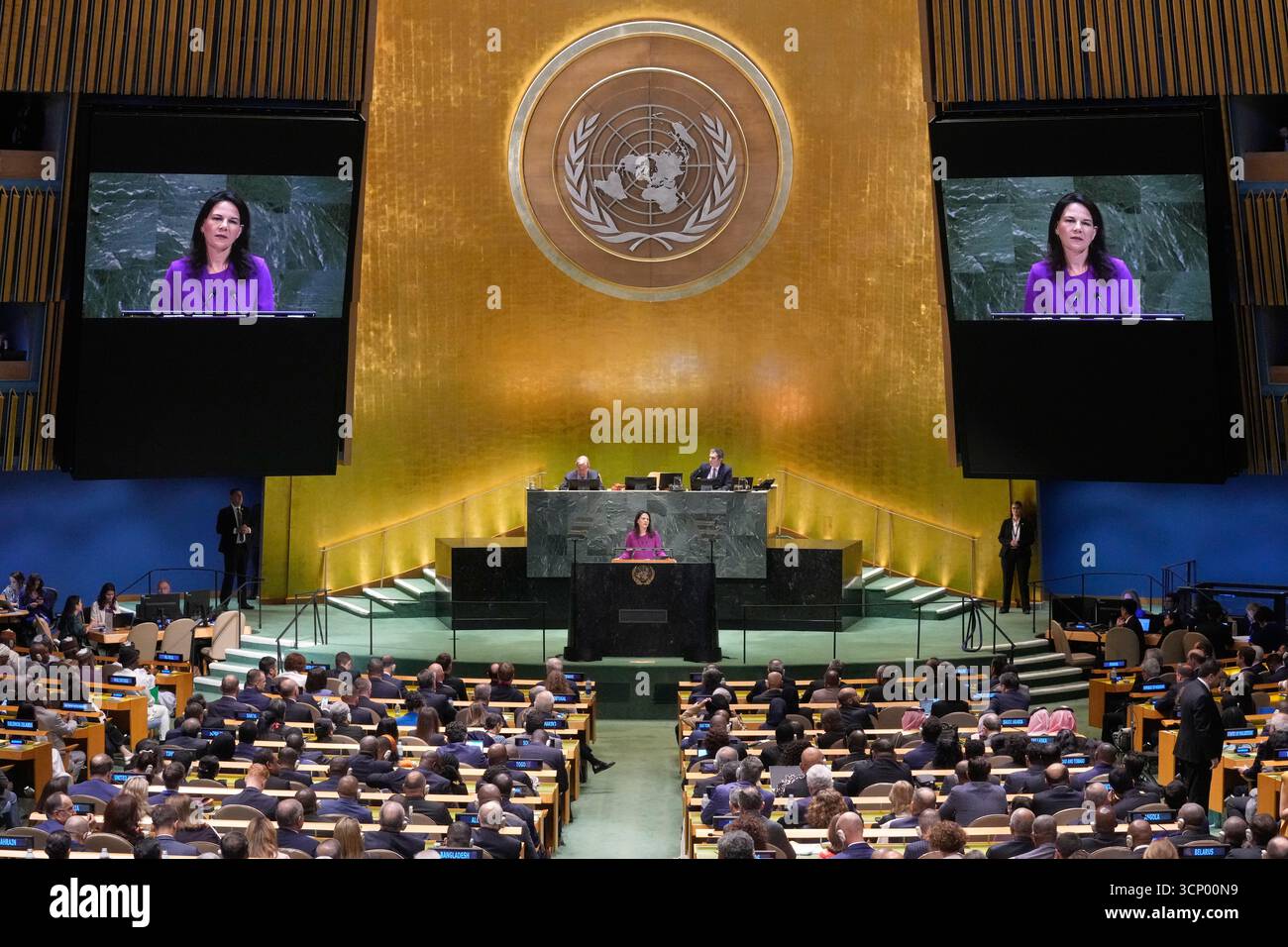
Annalena Baerbock, President of the United Nations General Assembly, described the multilateral response as a “blueprint” for other health emergencies like Ebola and COVID-19. Winnie Byanyima, Executive Director of UNAIDS, stated that the current Political Declaration is a chance to build on 25 years of commitment.
Why is the progress against AIDS considered fragile?
Funding cuts and human rights setbacks threaten existing gains. Global development assistance fell by 23% in 2025, which UNAIDS reports as the sharpest drop on record. Between 2024 and 2025, HIV testing programs in high-burden settings fell by 22%, and some condom funding was cut by more than 90%.
Criminalization of key populations is increasing for the first time since UNAIDS began tracking the trend. Keren Dunaway of the International Community of Women Living with HIV warned that without renewed action, the world risks a resurgence of the epidemic as community-led services disappear.
How can the 2030 goal still be reached?
Opportunities exist through regional initiatives and medical innovation. The African Union Roadmap to 2030 and the Accra Reset are cited as examples of a progressive approach to development. Long-acting HIV prevention medicines may also advance the cause if they’re implemented at scale with regional production.
Amina Mohammed, UN Deputy Secretary-General, stated that the responsibility to end the threat by 2030 belongs to everyone. She called for a renewed sense of urgency and solidarity to protect those at highest risk, including sex workers, people who inject drugs, and young women and girls.
What happens next for the UN Political Declaration?
UN Member States are considering a 2026 Political Declaration that will direct the global response for the next five years. This document may feature new global targets for 2030 that mirror the Global AIDS Strategy 2026-2031.
If funding isn’t maintained, UNAIDS warns there is a serious risk of treatment interruptions. This could lead to rising rates of deaths and new infections. The outcome depends on whether leaders commit to multilateralism and protect the rights of people living with HIV.
Frequently Asked Questions
What was the drop in global development assistance in 2025?
According to UNAIDS, global development assistance fell by 23%, the sharpest drop on record.
How many people living with HIV are not currently receiving treatment?
UNAIDS data for 2025 indicates that nearly 9 million people living with HIV are not on treatment.
Which specific groups are facing challenges in accessing HIV services?
High-risk communities including young women and girls, men who have sex with men, sex workers, and people who inject drugs are facing major challenges.
Do you believe global health goals are more sustainable through international aid or domestic funding?