
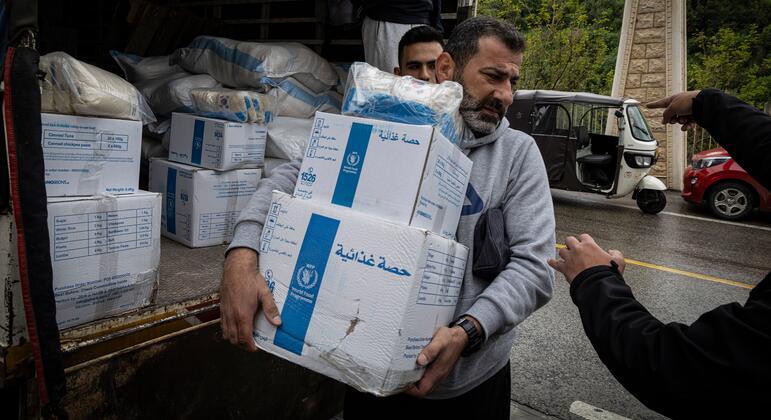
UN Issues Urgent Appeal Amid Escalating Lebanon Humanitarian Crisis
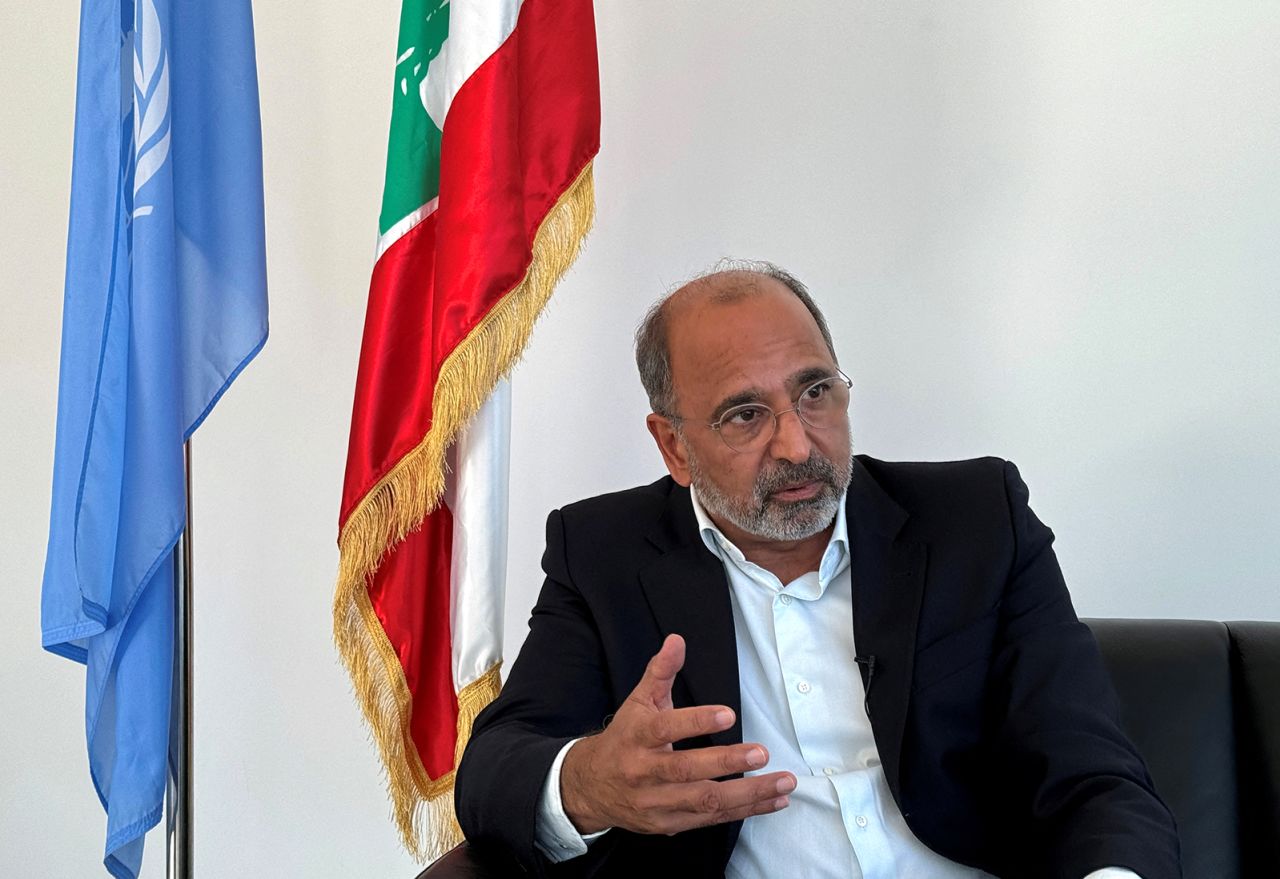
UN Humanitarian Coordinator Imran Riza has issued an urgent call for funding as humanitarian needs soar amid ongoing conflict in Lebanon. Speaking from Beirut, Riza expressed shock at the devastation caused by shelling, drone attacks, and airstrikes, noting that violence has reportedly continued despite a ceasefire announcement on Wednesday.
The scale of destruction is extensive, with Riza describing a landscape of demolished water stations, scorched agricultural land, and destroyed government buildings. Hospitals and clinics have been hit, while schools have been repurposed as sites for displaced populations.
A Growing Human Toll
The latest escalation of violence has resulted in more than 3,500 deaths and over 10,000 injuries. Nearly one million people have been forced from their homes, facing deep and lasting trauma due to repeated displacement.
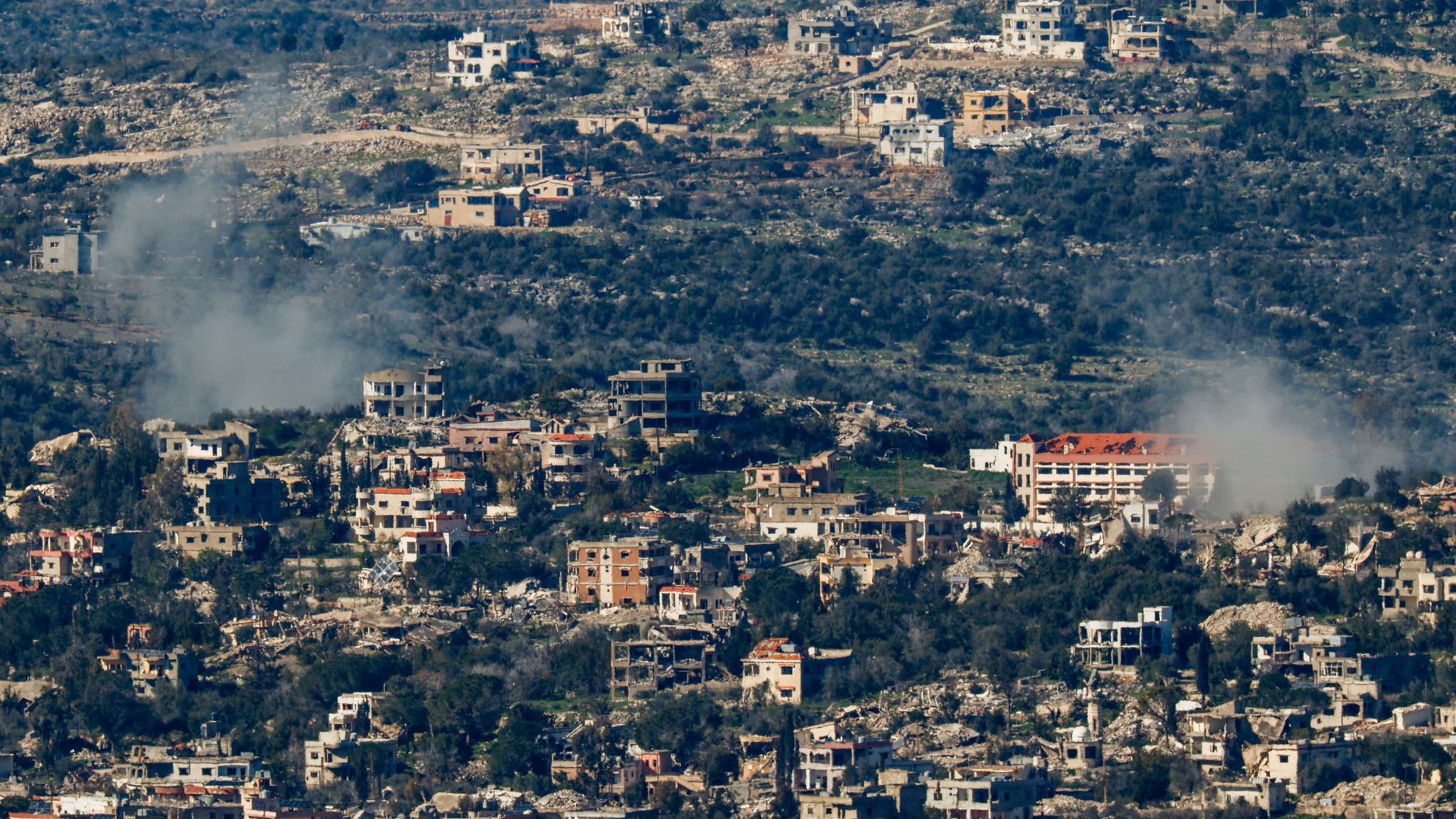
Mr. Riza highlighted the extreme risks faced by first responders and health workers, who are experiencing death and injury on a “horrific scale.” Entire neighborhoods have been reduced to rubble, leaving families without adequate shelter and uncertain about their ability to return.
Heightened Risks for Women and Girls
Andrew Saberton, Deputy Executive Director for the UN population fund (UNFPA), warned that mass displacement has significantly increased dangers for women and girls. Overcrowded shelters often lack basic protection measures, adequate sanitation, and privacy.
It is estimated that more than 600,000 women and girls are at risk of gender-based violence. The closure of primary healthcare centers and hospitals has made it increasingly difficult for women to access essential maternal health services.
Saberton cited a tragic example in south Lebanon, where a UNFPA-supported primary healthcare center and safe space for women and girls was severely damaged by airstrikes while it was being rebuilt in 2025. This facility was among the very few remaining operational in the area.
The Challenge of Protracted Displacement
The UN aid coordination office (OCHA) reports that affected populations are rapidly exhausting their coping capacities, putting essential services under increasing strain. Providing critical assistance is described as “extremely complicated” due to the frequency of displacement orders.
Regarding the situation in southern Lebanon, Riza noted that an estimated 28,000 people remain beyond Israel’s self-declared military line. The long-term impact of destroyed villages may lead to a massive increase in permanent displacement.
Potential Future Scenarios
The crisis may evolve into a protracted displacement emergency. While 68,000 people were unable to return to their villages after the 2024 conflict between Hezbollah and Israel, that number could rise significantly.
Current estimations suggest the number of people unable to return could be at minimum 200,000, or potentially more, depending on the extent of village destruction and safety conditions.
To address these needs, the UN and its partners have issued an emergency appeal, bringing the total funding request for Lebanon through August of this year to $639.9 million.
Frequently Asked Questions
How many people have been displaced by the conflict?
Nearly one million people remain displaced from their homes.
What is the total funding requested by the UN and its partners?
The overall appeal for Lebanon through August this year is $639.9 million.
What specific risks are women and girls facing in shelters?
Over 600,000 women and girls are estimated to be at risk of gender-based violence, compounded by a lack of privacy, sanitation, and basic protection in overcrowded shelters.
How should the international community prioritize aid when displacement orders make it difficult to locate those in need?