
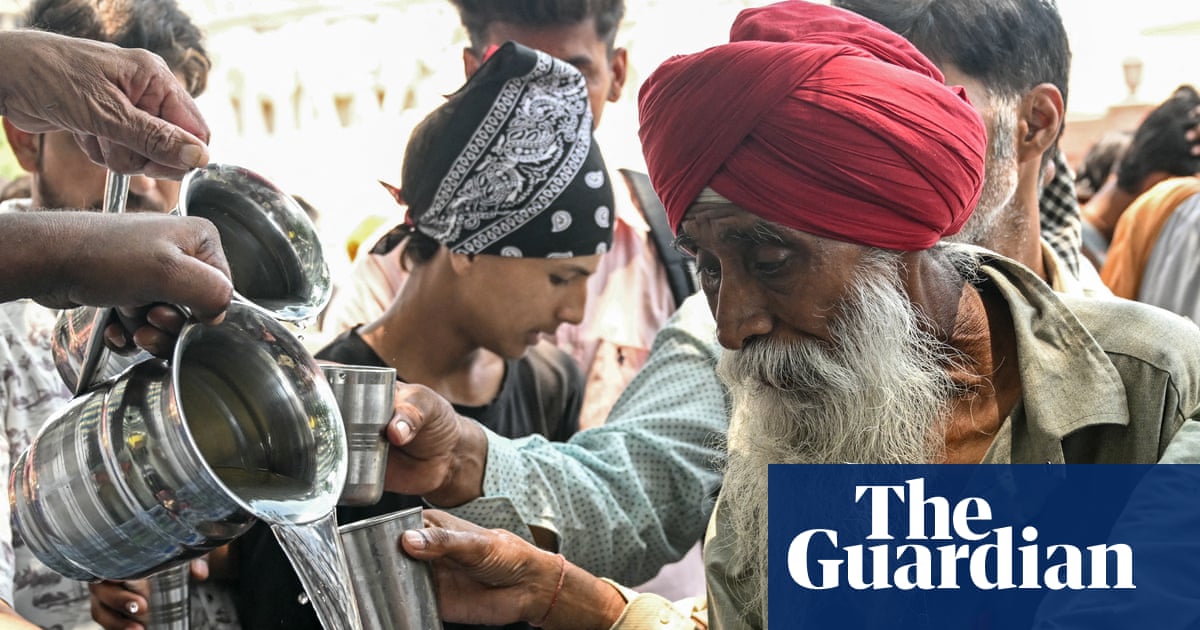
UN Warns Imminent El Niño Return to Trigger Extreme Weather Across Asia
The Climate Multiplier: Why the Return of El Niño is a Global Red Alert
The world is bracing for a meteorological shift that could redefine the boundaries of extreme weather. The United Nations and the World Meteorological Organization (WMO) have issued a stark warning: El Niño is not just returning—This proves arriving at a time when our planet is already reeling from the effects of human-driven climate change.
With an 80% probability of formation before September and a 90% likelihood by November, this natural phenomenon acts as a “climate multiplier.” It takes existing environmental pressures and supercharges them, creating a volatile mix of heat, drought, and unpredictable rainfall that threatens to test the resilience of global infrastructure.
A High-Stakes Stress Test for Asia
While the effects of El Niño are felt globally, Asia stands at the epicenter of the coming disruption. From the parched fields of India to the sprawling metropolises of China and the humid islands of Southeast Asia, the continent faces a convergence of energy, water, and food security crises.
India: The Deadly Combination of Heat and Scarcity
For India, the timing of El Niño could not be worse. The nation is already navigating the tail-end of brutal heatwaves that have damaged critical wheat and mustard crops. A weakened monsoon—the lifeblood of Indian agriculture—threatens to extend this heat, potentially crippling livelihoods.

The risk extends to urban centers as well. Mumbai, a city of over 22 million, relies heavily on rain-fed lakes. With water reserves already running low, a delayed monsoon could trigger a full-scale urban water crisis, forcing millions to grapple with severe rationing.
China: Preparing for “Severe and Complex” Floods
In China, the narrative is one of extremes. While the northern and western regions brace for unpredictable shifts, southern provinces are preparing for rainfall levels projected to be 20% higher than the historical average. The Ministry of Water Resources has described the flood-control situation as “severe and complex,” prompting officials to advise citizens to stockpile emergency supplies.
Economic and Health Implications: Beyond the Weather
The impact of El Niño reaches far beyond the thermometer. As professor Justin Sentian of Universiti Malaysia Sabah notes, the disruption of wind patterns strips moisture from Southeast Asia, creating a “stress test” for systems already strained by global supply chain issues.
- Food Security: Stressed rice and palm oil crops are likely to see price surges, hitting lower-income households the hardest.
- Public Health: Stagnant water sources in rural areas increase the risk of waterborne diseases, while warmer temperatures create ideal breeding grounds for dengue and malaria.
- Energy Grids: As heat rises, the demand for cooling spikes, putting immense pressure on power grids that are already struggling with fuel shortages.
The New Normal: Climate Change and El Niño
The most alarming aspect of the current forecast is the context. We are no longer observing El Niño in isolation. Benjamin Horton, Dean of the School of Energy and Environment at City University of Hong Kong, emphasizes that this cycle is unfolding against the backdrop of a warming planet. This “supercharged” effect means that historical weather data may no longer be a reliable predictor of future outcomes.
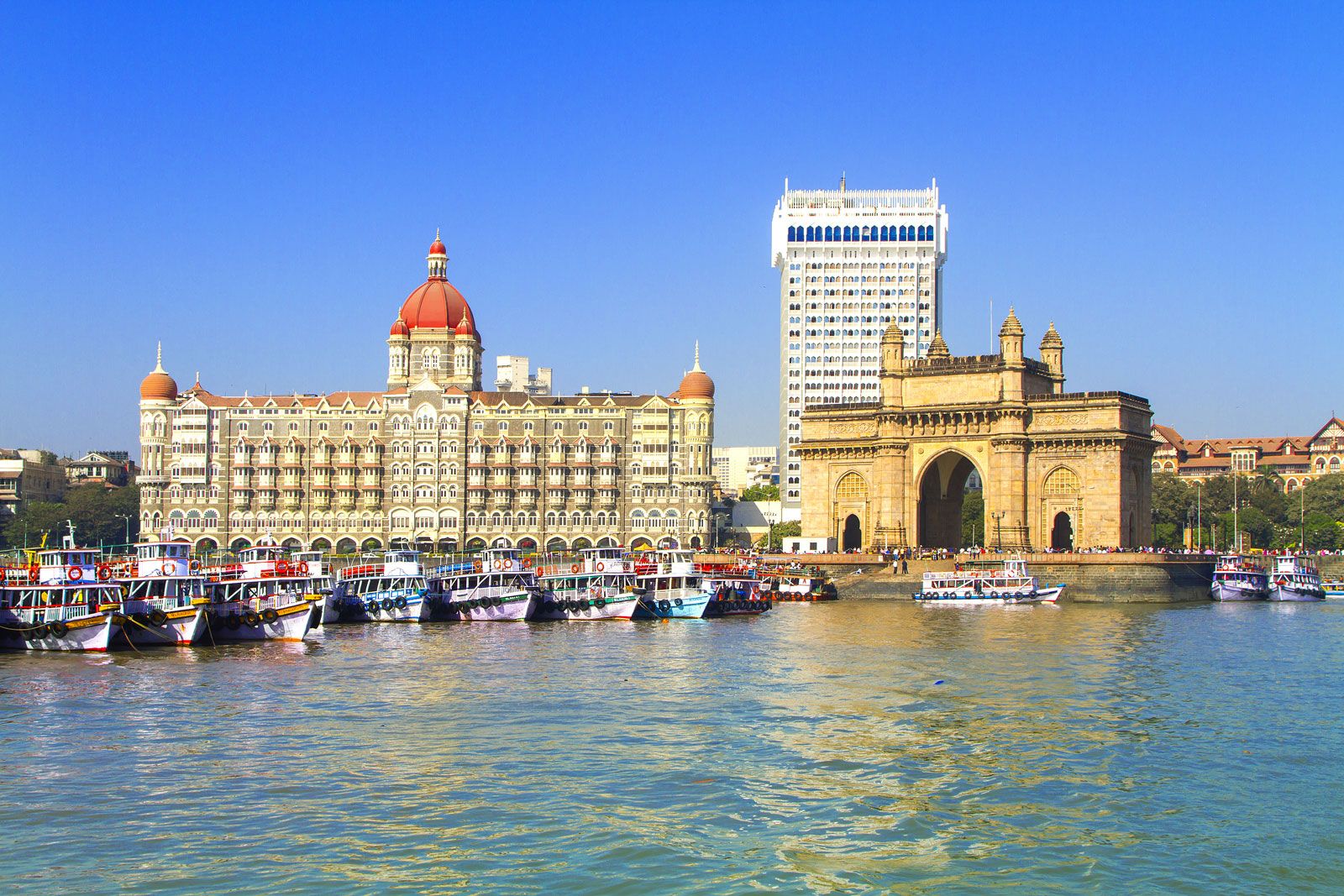
As we look toward the future, the integration of climate-resilient infrastructure—from smarter water management in Mumbai to fire-prevention strategies in Southeast Asian peatlands—is no longer a luxury; it is a necessity for survival in an era of extreme weather.
Frequently Asked Questions (FAQ)
Q: What exactly is El Niño?
A: It is a natural climate pattern characterized by warmer-than-average sea surface temperatures in the central and eastern Pacific, which significantly alters global weather patterns.
Q: How does climate change make El Niño worse?
A: Climate change provides a higher “base temperature” for the planet. When El Niño adds its own warming effect, the resulting weather extremes—such as heatwaves and droughts—become more intense and frequent than they would be otherwise.
Q: How can individuals protect themselves from these weather shifts?
A: Stay informed through local meteorological bureaus, ensure your home has adequate water storage, and prepare for potential power grid instability by keeping essential supplies on hand.
Q: Is this the first time we’ve seen a “Super El Niño”?
A: While El Niño occurs every few years, the combination of a strong event and modern human-induced climate change is creating unprecedented conditions that experts are monitoring closely.
How is your region preparing for the upcoming weather shifts? Share your thoughts in the comments below or subscribe to our newsletter for the latest climate updates.