
Understanding Sexually Transmitted Infections: Prevention, Diagnosis, and Treatment Facts
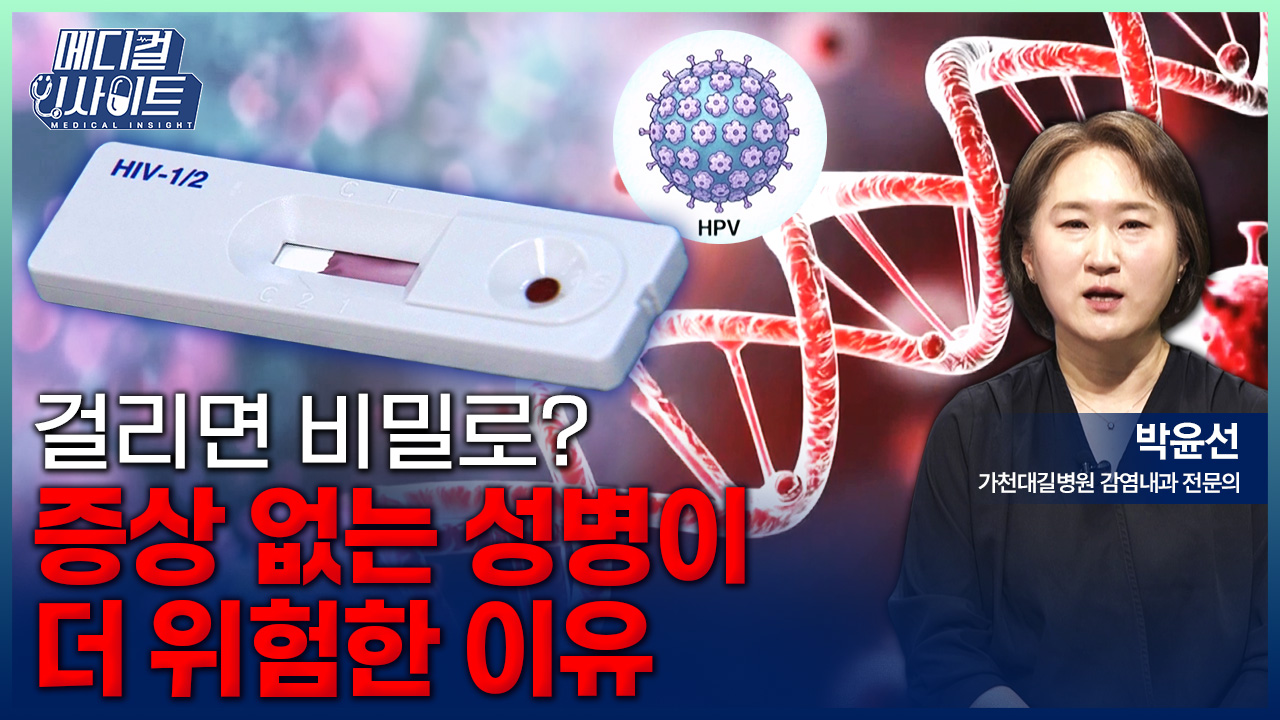
Sexually transmitted infections (STIs) in South Korea rose 6.8% year-over-year as of March 2026, reaching 3,541 cases, according to data from the Korea Disease Control and Prevention Agency. Dr. Park Yun-sun, an infectious disease specialist at Gachon University Gil Medical Center, identifies Human Papillomavirus (HPV) as the most prevalent infection, noting that early detection is critical because many STIs remain asymptomatic.
Why are STI cases increasing and which are most common?
Total STI occurrences reached 3,541 in March 2026, a 32.4% increase from the previous month, according to Korea Disease Control and Prevention Agency statistics cited by Dr. Park Yun-sun. This trend indicates a steady annual rise in infections linked to sexual contact.
Dr. Park listed HPV as the most frequent infection, followed by genital herpes, Chlamydia, condyloma, syphilis, and gonorrhea. HPV causes warts on the skin or mucous membranes and can lead to cancers, including cervical cancer, according to Dr. Park.
Other infections present different risks. Chlamydia often shows no symptoms but can cause infertility if left untreated. Gonorrhea typically presents quickly in men via painful urination, but women may mistake it for simple vaginitis due to mild or absent symptoms, Dr. Park stated.
How does HIV differ from other sexually transmitted infections?
Unlike STIs that affect specific areas, HIV attacks the body’s entire immune system by destroying CD4 T lymphocytes, according to Dr. Park. This prevents the body from defending itself, leading to Acquired Immunodeficiency Syndrome (AIDS).

In 2025, 657 new AIDS cases were reported, bringing the national cumulative total to approximately 19,000 people. Dr. Park noted that 99.8% of new domestic HIV diagnoses resulted from sexual contact, with 63.7% occurring through same-sex contact.
Transmission risks vary by patient status. While the probability of infection per single sexual act is generally below 0.1%, the risk increases if the infected person is in the early stages of infection and unaware of their status, as their viral load may reach 100,000 to 1 million copies per mL of blood, Dr. Park explained.
Dr. Park clarified that HIV is not transmitted through shared toilets, handshakes, or eating at the same table. The virus is inactive within one to two hours outside the human body and exists in low concentrations in saliva, urine, and feces.
What are the stages and risks of syphilis?
Syphilis progresses through three distinct stages if untreated, according to Dr. Park. The first stage occurs 10 to 90 days after infection, presenting as painless red ulcers on the genitals, mouth, or anus that disappear within three to six weeks without treatment.
The second stage typically appears around six months later, characterized by non-itchy red rashes on the body, including the palms of the hands and soles of the feet. This is often mistaken for a simple skin condition, Dr. Park noted.
The final stage, or tertiary syphilis, can cause “gummas” (granulomas) in the skin, bone, or liver. It may also lead to cardiovascular syphilis, damaging the aorta, or neurosyphilis, which can cause dementia, paralysis, blindness, and hearing loss, according to Dr. Park.
What are the legal and diagnostic consequences of hiding an infection?
Under the AIDS Prevention Act Article 19, individuals who hide their infection status and engage in risky behavior that infects another person may face up to three years in prison, according to Dr. Park.

Diagnosis for HIV is conducted via blood tests, such as the p24 antigen test or combo tests. Confirmed cases are verified through the Western Blot method at specialized institutions like the Korea Disease Control and Prevention Agency or the National Institute of Health and Environment. To encourage early detection, South Korea has offered anonymous testing at public health centers since September 2008, Dr. Park stated.
For syphilis, Dr. Park cautioned that “false positives” can occur in serum tests due to other inflammatory responses in the body, even in individuals with no sexual experience or in pregnant women. Confirmed diagnosis requires precise follow-up testing to monitor changes in titer levels over several months.
Future outcomes for patients depend on early intervention. While a complete cure for HIV remains elusive, “cocktail therapy” (highly active antiretroviral therapy) can lower viral loads to undetectable levels, allowing patients to maintain immune function and live a normal lifespan, according to Dr. Park.
Frequently Asked Questions
Can HIV be transmitted through kissing or sharing a toilet?
According to Dr. Park, transmission through kissing is rare because viral concentrations in saliva are very low, though it is possible if there are bleeding gums. Sharing a toilet does not transmit the virus because it is inactive within two hours outside the body and concentrations in urine and feces are extremely low.
How long is the latency period for HIV?
Dr. Park stated that the asymptomatic period, where the virus remains quiet before causing illness, typically lasts between seven and 10 years.
What is the risk of HIV infection from a needle stick?
Dr. Park noted the probability of infection from a needle stick is approximately 0.3%. In such cases, medical professionals may take the medication used by infected patients for one month to reduce the risk of infection.
Would you feel comfortable utilizing an anonymous testing center to prioritize your health over social stigma?