
UNICEF Report Warns of Escalating Climate Risks to Children Worldwide
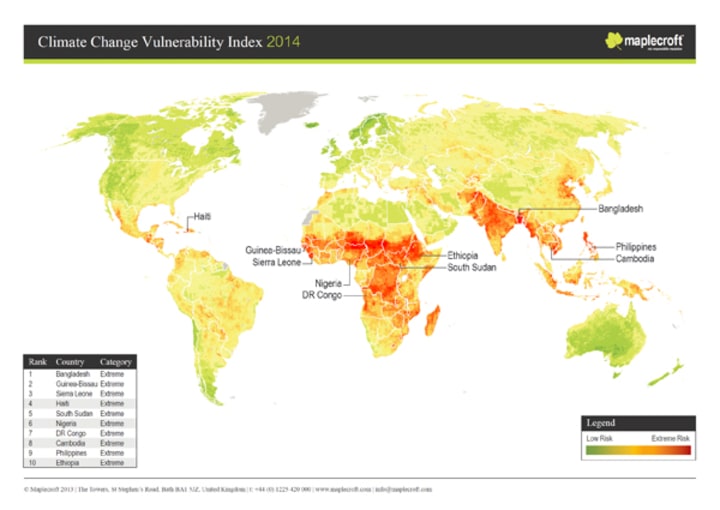
According to a June 16, 2026, UNICEF report, nearly half of the world’s children are exposed to three or more overlapping climate hazards, including extreme heat, drought, and floods. These compounding risks disproportionately affect sub-Saharan Africa and South Asia, threatening global health, education, and child protection systems.
Why are overlapping climate hazards more dangerous for children?
Compounding climate shocks strain a family’s ability to recover, making a moderate event life-threatening for children lacking basic services. UNICEF Statistics and Monitoring Manager Rohini Sampoornam Swaminathan told Inter Press Service that while children might survive one or two shocks, facing three to five hazards simultaneously exhausts household resources.
The Children’s Climate Risk Report identifies specific clusters of danger:
- 296 million children live in areas facing a combination of prolonged drought, extreme heat, and heatwaves.
- 115 million children simultaneously face droughts, extreme heat, and tropical storms.
- 4 million children in the Sahel region are exposed to heatwaves, extreme heat, and sand and dust storms.
How does climate change impact child health and nutrition?
Water scarcity and extreme temperatures drive spikes in infectious diseases and acute malnutrition. The World Health Organization (WHO) projects that by the 2030s, malaria, diarrhea, heat stress, and undernutrition could cause over 250,000 additional deaths annually.

In Pakistan, the 2022 floods affected 33 million people, half of whom were children. According to UNICEF, 5.4 million people lost access to clean water during that event, increasing the risk of waterborne illnesses. This coincided with heatwaves exceeding 48 degrees Celsius (118.4 degrees Fahrenheit), which decimated crop yields and spiked malnutrition rates.
UNICEF projects that without intervention, 28 million more children globally could face stunted growth and acute malnutrition by 2050. Sub-Saharan Africa alone may see 10 million additional cases of stunting.
What is the economic cost of climate-driven education loss?
Climate hazards are stripping millions of children of their schooling, which UNICEF estimates could result in lifetime earnings losses of up to $11 trillion across low- and middle-income countries.
In 2024, UNICEF recorded 242 million students across 85 countries and territories whose education was disrupted. Swaminathan noted that extreme heat causes dehydration and fatigue, leading to higher absenteeism in schools that lack cooling or shade. When classrooms become too hot, children cannot concentrate, and schools often close to protect health, further delaying learning.
How do climate shocks increase child exploitation?
Climate-induced displacement acts as a “threat multiplier,” breaking the social support networks that protect children from violence and abuse. Between 2016 and 2023, UNICEF recorded 62 million internal displacements of children—an average of 21,000 children displaced every day.
Families facing sudden economic collapse often turn to negative coping mechanisms. UNICEF reports a surge in child labor, with roughly 70% of this exploitation occurring in agriculture-dependent economies. Also, some communities use child marriage to secure short-term financial stability after severe shocks, leaving girls under 18 at higher risk of domestic violence and poor health outcomes.
Comparison of Climate Risks by Region
| Region | Primary Overlapping Hazards | Key Impact |
|---|---|---|
| Sahel (Africa) | Heatwaves, extreme heat, dust storms | 4M children exposed; high stunting risk |
| South Asia | Floods, storms, extreme heat | Highest intensity of simultaneous hazards |
Frequently Asked Questions
Which regions are most vulnerable to climate change for children?
Sub-Saharan Africa and South Asia are the two most vulnerable regions due to high environmental exposure and limited infrastructure to respond to shocks.
How many children are displaced by climate change daily?
Based on data from 2016 to 2023, UNICEF recorded approximately 21,000 child displacements per day.
What is the link between climate change and child marriage?
Severe climate shocks can destroy livelihoods, leading some families to use child marriage as a desperate financial coping mechanism to secure short-term stability.
What does UNICEF recommend to protect children?
UNICEF calls for increased investment in renewable energy, the creation of climate-resilient schools and hospitals, and the expansion of climate education for youth.
What do you think is the most urgent priority for protecting children in climate-vulnerable zones? Let us know in the comments or subscribe to our newsletter for more updates on global climate policy.