

United States ‘must’ respond after Iran downs Apache helicopter, president Donald Trump says
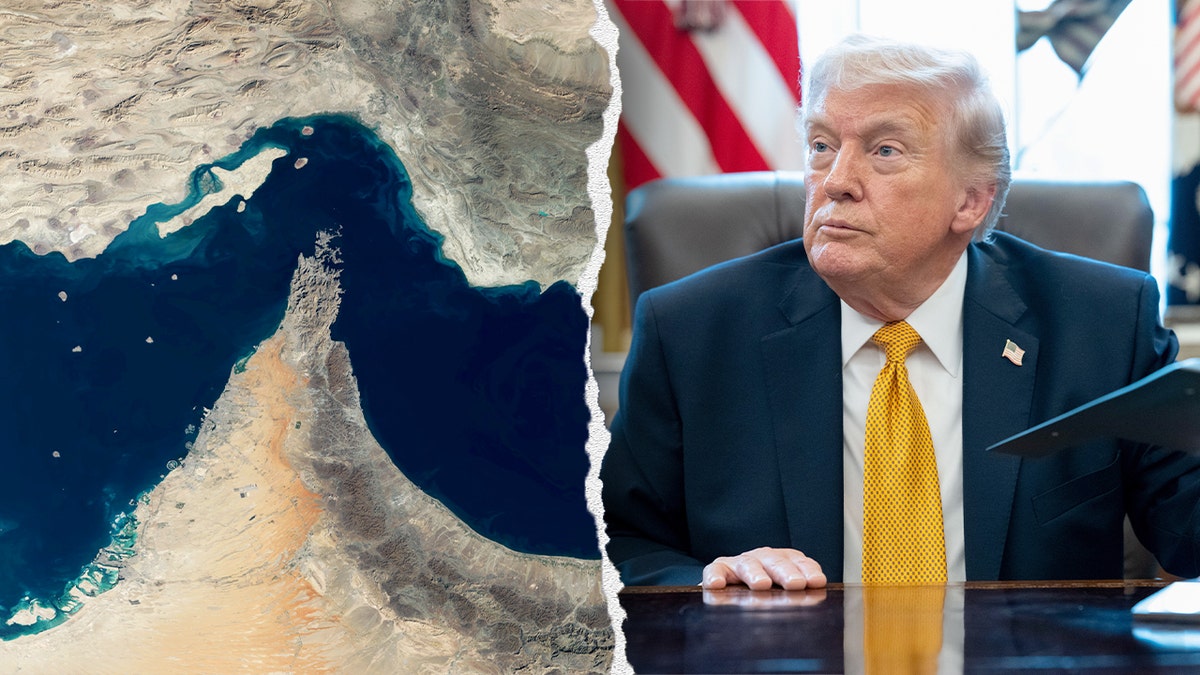
US President Donald Trump stated the United States “must” respond after Iran shot down a US Army Apache helicopter patrolling the Strait of Hormuz. US Central Command (CENTCOM) confirmed the two-person crew was rescued by American forces, including a naval surface drone, and remains in stable condition.
Why does the downing of the Apache threaten the current ceasefire?
The attack disrupts a fragile ceasefire that has held since April 8. According to President Trump, the Iranian military targeted the “highly sophisticated” aircraft during a patrol over the Strait of Hormuz. Trump told reporters that a response to the attack is a matter of “necessity.”
This incident follows a pattern of aerial losses since the war began on February 28. In April, Iran shot down a US F-15 fighter plane using a shoulder-fired heat-seeking missile. While the ceasefire was intended to facilitate negotiations to end the conflict, the repeated loss of crewed aircraft suggests a volatile security environment in the region.
How is the US using unmanned systems for combat rescues?
The rescue of the Apache crew highlights an increasing reliance on unmanned technology in contested waters. A CENTCOM spokesperson confirmed that a naval surface drone assisted in the recovery of the two soldiers. The crew was rescued within approximately two hours near the coast of Oman.
This operation contrasts with the April F-15 rescue, which the military described as a “high-risk” mission. In that instance, the crew ejected and landed inside Iranian territory, requiring a direct intervention. During that operation, an A-10 ground attack aircraft sustained enough damage from Iranian fire that the pilot was forced to eject after returning to friendly airspace.
What is the total record of US aircraft losses in this conflict?
Since the start of hostilities on February 28, the US has lost several aircraft through both hostile action and accidents. According to military reports and official statements:
- Apache Attack Helicopter: Shot down by Iran near the Strait of Hormuz (Recent).
- F-15 Fighter: Shot down by an Iranian heat-seeking missile in April.
- KC-135 Refueling Aircraft: Crashed in western Iraq in March, killing six crew members; the US military stated this was not caused by hostile fire.
- F-15E Fighters: Three aircraft were mistakenly shot down by Kuwaiti forces early in the conflict.
How do these losses compare across different causes?
The data shows a distinction between combat losses and operational errors. While the Apache and F-15 were confirmed kills by Iranian forces, other losses stemmed from mishaps. The KC-135 crash resulted in the highest loss of life (six personnel), yet it was non-hostile. Conversely, the loss of three F-15Es to Kuwaiti forces represents a significant friendly-fire incident during the early stages of the war.
The transition from high-risk manned rescues in April to drone-assisted rescues in the most recent incident indicates a tactical shift by CENTCOM to minimize further aircraft damage, such as the loss seen with the A-10 aircraft.
Frequently Asked Questions
Who was on board the shot-down Apache?
The helicopter carried a two-person crew. According to CENTCOM, both were rescued safely and are in stable condition.
When did the US-Iran war begin?
The conflict began on February 28 following a joint US-Israeli attack.
What happened to the F-15 crew shot down in April?
The two crew members ejected and landed inside Iran. They were later recovered during a high-risk US rescue operation.
Is there still a ceasefire in place?
Yes, a ceasefire has been in effect since April 8, though current events have placed it under significant strain.
What do you think about the use of drones in combat rescues? Does it change the risk calculus for pilots? Let us know in the comments below or subscribe to our defense newsletter for real-time updates on Middle East security.