

Universal Health Care Once Seemed on the Horizon in California. What Happened?
The California gubernatorial race has entered a high-stakes phase, yet a cornerstone issue that once dominated state political discourse—single-payer health care—has largely faded into the background. Among the top five candidates vying for the governor’s seat, only billionaire Tom Steyer maintains an unequivocal stance in favour of a state-based single-payer system.
The shift is notable given California’s history of coming close to enacting “CalCare,” its own version of single-payer. While proponents argue that such a model would align California with the rest of the industrialized world, the current political climate has seen candidates either pivot away from the concept or express significant doubts regarding its feasibility.
The Shifting Political Landscape
Tom Steyer, who previously campaigned for president on a “public option” platform, has reversed his position to support single-payer, earning the endorsement of the California Nurses Association. Conversely, Democratic candidate Katie Porter has expressed concern over the feasibility of implementing the system at the state level in the near future, suggesting We see a matter better suited for the federal government.

The current frontrunner, Xavier Becerra, has retreated from his past support for single-payer, aligning his platform with the status quo. His campaign has secured the endorsement of the California Medical Association, a group known for its opposition to single-payer models. Meanwhile, Republican candidates Steve Hilton and Chad Bianco are campaigning on platforms focused on reducing access to state-funded health care, particularly for undocumented immigrants.
The Cost and Consequences of Inaction
The debate over single-payer is heavily influenced by projected costs, with estimates ranging from $400 billion to $731 billion annually. Critics argue these figures are prohibitive against a projected 2027 state budget of approximately $349 billion. However, advocates suggest these estimates often ignore the existing, high costs of premiums, co-pays, and deductibles that residents already pay under the current system.
The implications of this inaction are becoming increasingly apparent. The administration has warned that health care costs could potentially double by October 2025, with insurance premiums for state exchange plans facing a possible 97 percent increase. Recent budget adjustments include cuts to health care coverage for immigrants, raising concerns about the stability of the state’s current health insurance landscape.
Looking Ahead
If the state continues to rely on private and public insurance expansion rather than a structural shift to single-payer, analysts expect that rising premiums and co-pays will remain a primary concern for California voters. A possible next step for the state involves navigating the hurdle of federal waivers, which are required to divert Medicare and Medicaid funds toward a state-run system—a request that remains unlikely to be approved under current federal dynamics.
Should the cost of living continue to rise alongside health insurance premiums, the pressure on the next administration to either champion or abandon single-payer is likely to intensify. Future legislative sessions may determine whether the state attempts to revive “CalCare” or continues to manage the limitations of the existing insurance-based framework.
Frequently Asked Questions
Why is single-payer health care considered “off the table” for most candidates?
Most candidates point to the high estimated annual costs, which range from $400 billion to $731 billion, as being unaffordable given the state’s projected $349 billion annual budget.
What is the difference between “single-payer” and “universal access to health care coverage”?
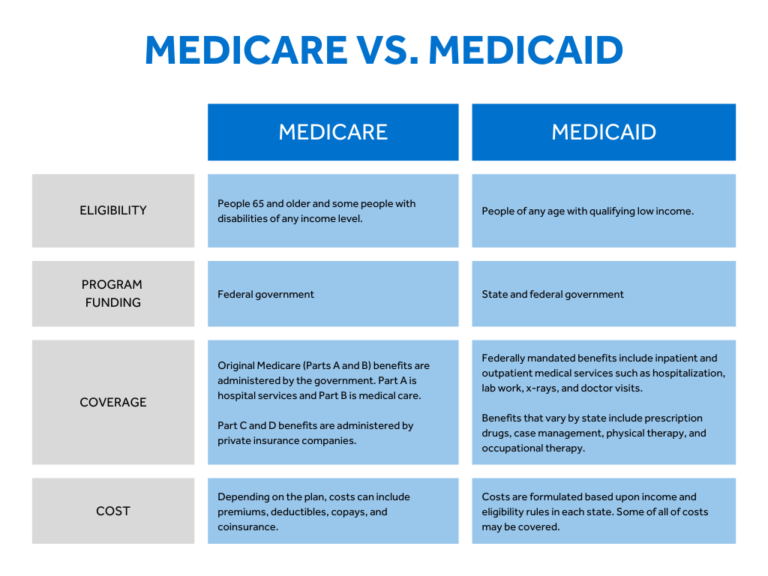
“Universal access” signifies that most residents have some form of private or public insurance, whereas “single-payer” would create a publicly funded, freely available resource that eliminates out-of-pocket costs like co-pays and deductibles.
What obstacles prevent California from enacting its own single-payer system?
To implement a state-level system, California requires federal permission to redirect Medicare and Medicaid funds, a move that is considered highly unlikely under the current federal administration.
How do you believe the rising costs of private insurance will influence the priorities of voters in the upcoming election?