
Upper Limits On Exosatellites Around β Pictoris b
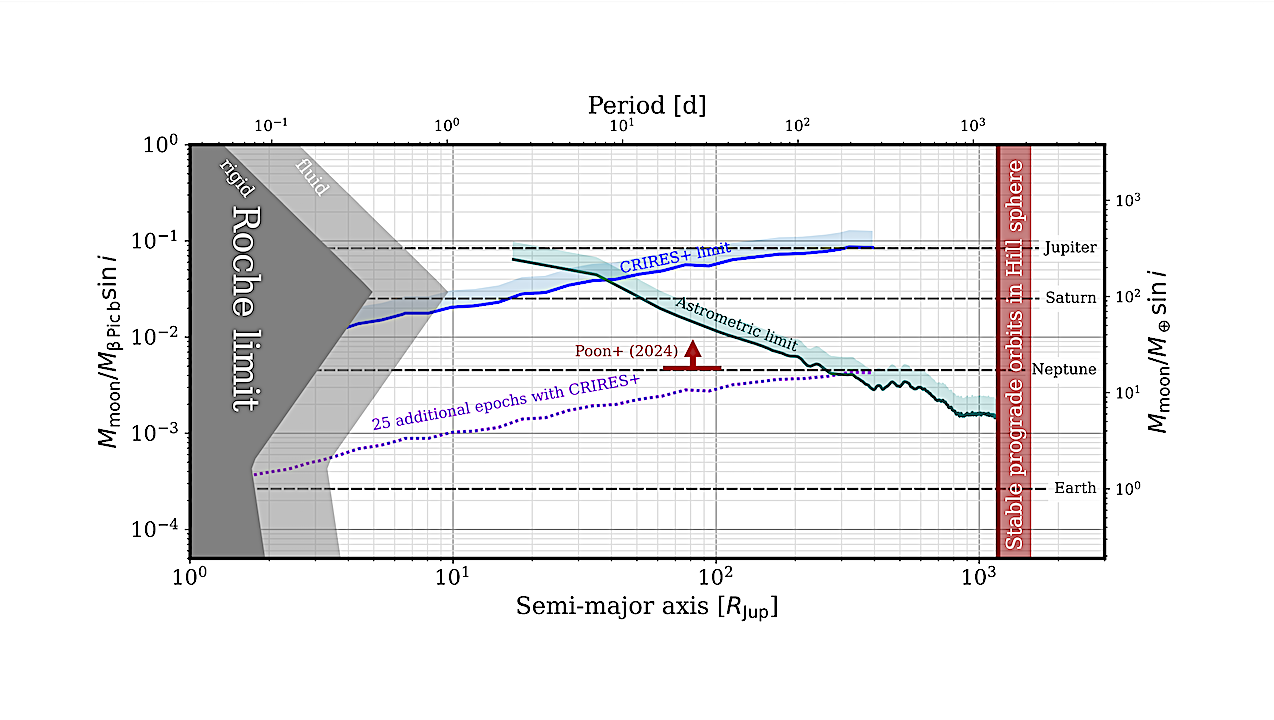
Researchers led by M.A. Kenworthy are utilizing radial velocity monitoring to hunt for massive exomoons around the gas giant β Pictoris b. While no moon has been confirmed yet, the study establishes strict upper mass limits and demonstrates that upcoming observations with CRIRES+ could detect moons as small as four Earth masses.
Why is β Pictoris b the prime target for exomoon hunting?
Not every exoplanet is a good candidate for moon hunting. β Pictoris b stands out because its orbit is almost edge-on from our perspective on Earth. This orientation is crucial. When a planet is edge-on, any “wobble” caused by a massive moon orbiting the planet is much easier to detect via the radial velocity (RV) method.
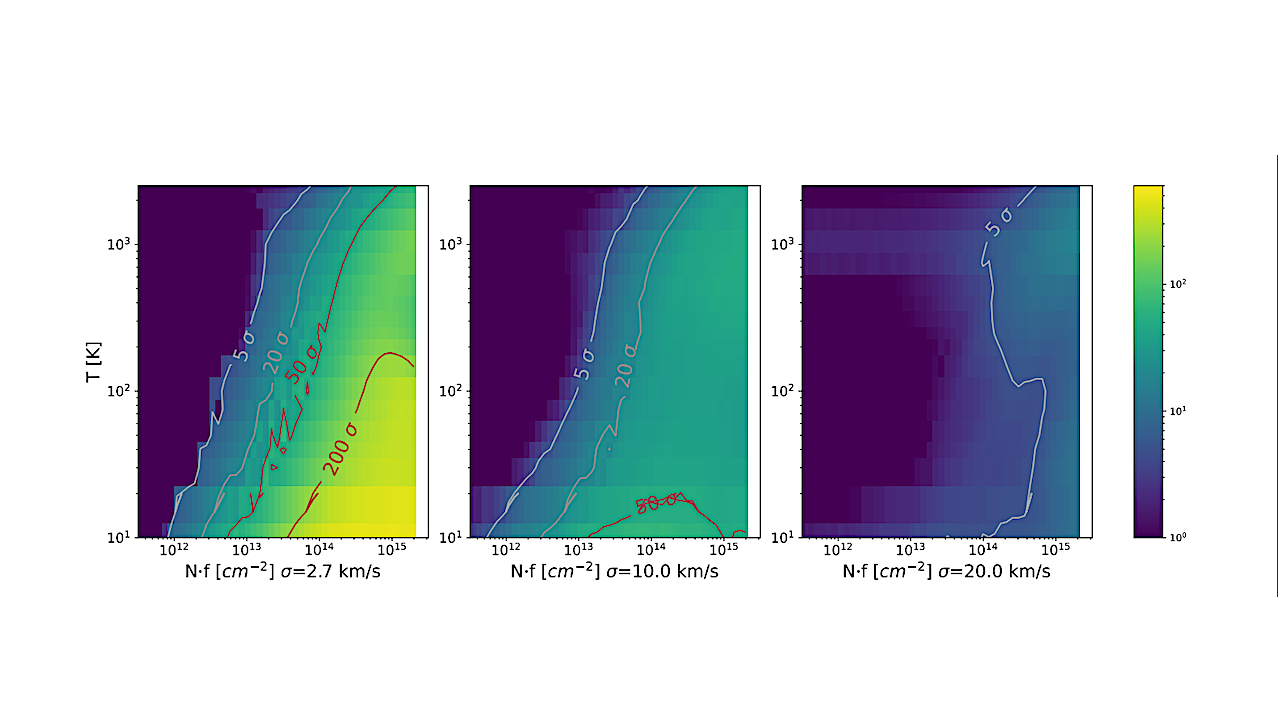
According to the study accepted for publication in the Monthly Notices of the Royal Astronomical Society (MNRAS), the team used a technique called cross-correlation. They compared a template spectrum with absorption lines in the planet’s own atmosphere to track its movement. This provided a mean precision of 160 meters per second.
How do current detection limits compare across different methods?
Finding a moon is significantly harder than finding a planet because the signal is much smaller. The Kenworthy et al. team found that their RV limits for a single moon are 80 Earth masses for a one-day orbit and 1 Jupiter mass for a 200-day orbit.
This creates an interesting contrast when compared to other methods. According to data from Macias et al. (2026), astrometric searches—which look for the physical shifting of a planet’s position on the sky—are more effective for moons with longer orbital periods. At a period of seven days and a mass of 150 Earth masses, the RV and astrometric limits converge.
| Orbital Period | RV Detection Limit (Kenworthy) | Astrometric Limit (Macias) |
|---|---|---|
| Short (e.g., 1-7 days) | More sensitive (down to 80 Earth masses) | Less sensitive |
| Long (e.g., 200+ days) | Less sensitive (up to 1 Jupiter mass) | More sensitive |
What happens when CRIRES+ takes over?
The current lack of a detection isn’t a failure; it’s a baseline. The real excitement lies in the next phase of observations. The researchers state that an additional observing season using CRIRES+ (a high-resolution spectrograph) could drastically lower the detection threshold.
With just 25 more observations, the team believes they can detect a planet-to-moon mass ratio of 10−3. In plain English, that means they could spot a moon as small as four Earth masses with a one-day period. They could even detect a Neptune-mass moon orbiting at hundreds of Jupiter radii.
Why does finding an exomoon change our understanding of space?
Finding a massive moon around β Pictoris b would explain more than just a satellite’s existence. According to Poon et al. (2024), a massive exomoon could be the reason β Pictoris b has a high obliquity—meaning the planet is tilted significantly on its axis.
This mirrors our own solar system. Earth’s tilt, which gives us our seasons, was heavily influenced by the presence of our Moon. If we find similar dynamics around other gas giants, it suggests that planetary “tilts” are a common byproduct of moon formation rather than random collisions.
For more on how we detect distant worlds, check out our guide on direct imaging technology or explore the latest from the arXiv astrophysics archives.
Frequently Asked Questions
What is an exomoon?
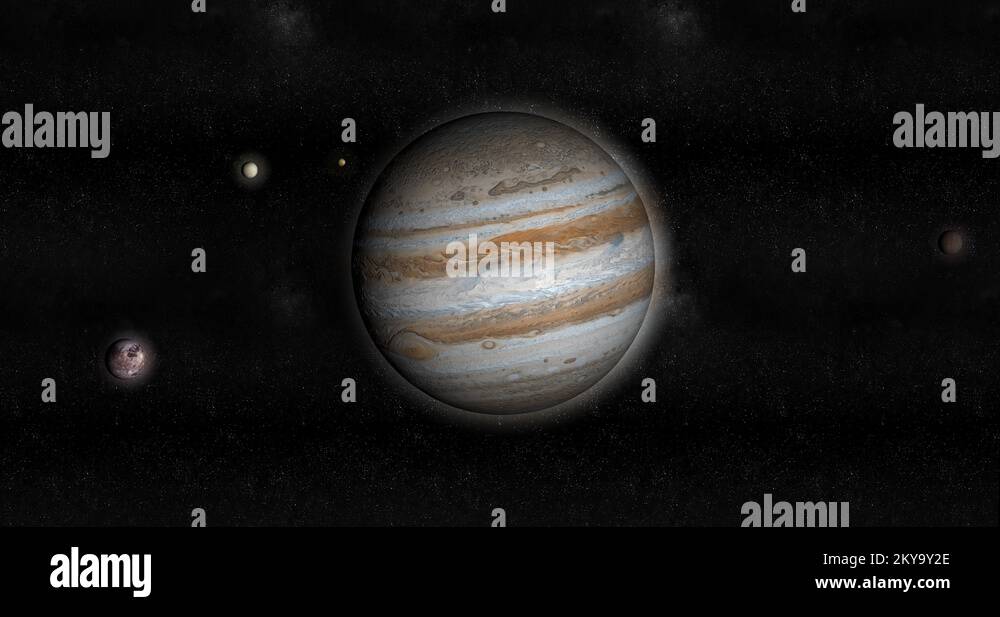
An exomoon is a natural satellite orbiting a planet outside our own solar system.
How is radial velocity used to find moons?
A moon’s gravity pulls on its host planet, causing the planet to “wobble.” This wobble changes the planet’s velocity toward or away from Earth, which is detected as a shift in the planet’s light spectrum.
Can we see exomoons directly?
Generally, no. They are too small and dim. We rely on indirect methods like radial velocity, astrometry, or transit timing variations.
What is the significance of the 4 Earth mass limit?
It represents a massive leap in sensitivity, moving from detecting “Jupiter-sized” moons to “Super-Earth” sized moons.
Want to stay updated on the search for alien worlds?
The hunt for exomoons is just beginning. Join our community of space enthusiasts to get the latest breakthroughs delivered to your inbox.