
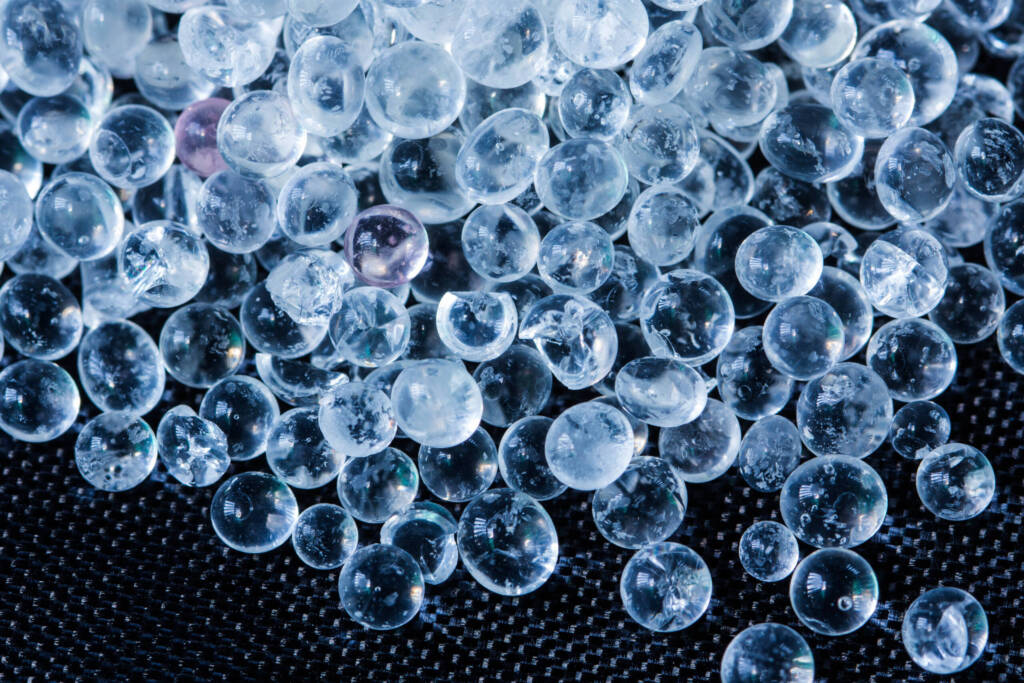
Urea-modified silica sol enables self-healing steel coating
Revolutionizing Anticorrosive Coatings: The Next Frontier in Material Science
Corrosion is a silent, multi-billion-dollar adversary for industrial infrastructure. Traditionally, the industry has struggled to balance the mechanical strength of protective coatings with the ability to “heal” when damaged. A breakthrough in molecular engineering is now changing that paradigm.
Researchers have introduced a novel strategy that combines mobile healing agents with rigid polymer matrices. By utilizing a molecular compatibilisation approach—specifically urea-functionalised polysiloxane silica sol (Urea-SI) grafted onto an acrylic resin backbone—scientists have successfully overcome long-standing thermodynamic incompatibility issues.
The Power of Dual-Mechanism Healing
The core innovation lies in a dual-action mechanism. The urea moieties create a reversible hydrogen-bonding network, while methyl silicone oil (MSO) acts as a mobile healing agent. This allows the coating to undergo intrinsic self-healing without the need for external stimuli like heat or UV light.
Recent performance evaluations, as detailed in Progress in Organic Coatings (2026), demonstrate the effectiveness of this approach. Formulations containing 5 wt% Urea-SI achieved remarkable results, with electrochemical impedance measurements (|Z|₀.₀₁Hz) exceeding 7 × 10⁹ Ω·cm² after 27 days of immersion in a 3.5 wt% NaCl solution. The coating demonstrated the ability to sustain at least five healing cycles, outperforming many conventional microcapsule-based systems.
Scalability and Industrial Application
For engineers and formulators, the shift toward autonomous anticorrosive coatings offers a path toward significantly lower maintenance costs in harsh environments. Unlike complex dynamic covalent networks, this molecular engineering principle is highly generalisable, making it a viable candidate for large-scale industrial and marine applications.
Pro Tip: Master the Fundamentals
Understanding the complex chemical and physical principles behind these systems is essential for any modern formulator. For those looking to dive deeper into the science of robust corrosion protection and stable color effects, the textbook Formulating High-performance Coatings by Martin Winkler and Ulrich Poth provides an extensive guide to the field.
Frequently Asked Questions
- What is the main benefit of Urea-SI in coatings?
It enables a uniform nanodispersion of healing agents, solving the thermodynamic incompatibility that previously limited self-healing performance. - Can these coatings heal multiple times?
Yes, the reported dual-mechanism allows for at least five distinct healing cycles. - Is external heat required for the healing process?
No, the inclusion of reversible hydrogen-bonding networks allows the material to heal autonomously at room temperature.
Are you working on next-generation materials or protective coating formulations? Share your thoughts in the comments below, or subscribe to our newsletter for the latest updates in industrial chemistry and material science.