
Urgent care vs emergency department: Where to go for your medical emergency
A kitchen accident resulting in a deep cut, a twisted ankle during a basketball game, or a child spiking a fever after business hours can create immediate stress. In these moments, the primary challenge is often deciding whether the situation requires an emergency department or an urgent care centre.
The Distinction Between Urgent and Emergency Care
Emergency departments, or ERs, are typically situated within hospitals. They are staffed by specially trained emergency medicine physicians equipped to handle the most severe medical crises.
Immediate care centers serve as a bridge between primary care physicians (PCP) and emergency services. According to Mark Grossman, MD, medical director for UCLA Health primary care, immediate care, pediatrics and behavioral health, these centers are an excellent option for minor medical issues when a PCP is unavailable.
These facilities offer advanced imaging, including regular X-rays, onsite lab capabilities, and the ability to perform minor wound repair and write prescriptions. Dr. Grossman notes that they treat all ages, including pediatrics, adults, and geriatrics.
When to Seek Emergency Department Care
Immediate medical attention at an ED is required if there is any remote chance a medical issue could lead to death, disability, or disfigurement. Some of these emergencies require a 911 call for transport, while others may allow for self-travel.

Conditions requiring an ED visit include:
- Chest pain or suspected heart attack
- Signs of stroke, such as slurred speech, facial drooping on one side, and sudden blurred or lost vision
- Severe shortness of breath or anaphylaxis (severe allergic reactions)
- Deep wounds, heavy bleeding, or injuries from serious accidents like high falls or car crashes
- Drug or alcohol overdose
- Sharp pain in the lower abdomen
- Seizures, sudden paralysis on one side, or injuries to the spine, neck, or head
When to Visit an Immediate Care centre
Immediate care is intended for mild to moderate symptoms that are not life-threatening but cannot wait for a PCP appointment. If an immediate care physician determines a higher level of care is necessary, they will facilitate a transfer to the ED.
Dr. Grossman states these centers can assist with:
- Common illnesses such as the flu, severe colds, fever, sore throats, earaches, and nausea or upset stomach
- Minor rashes and skin issues
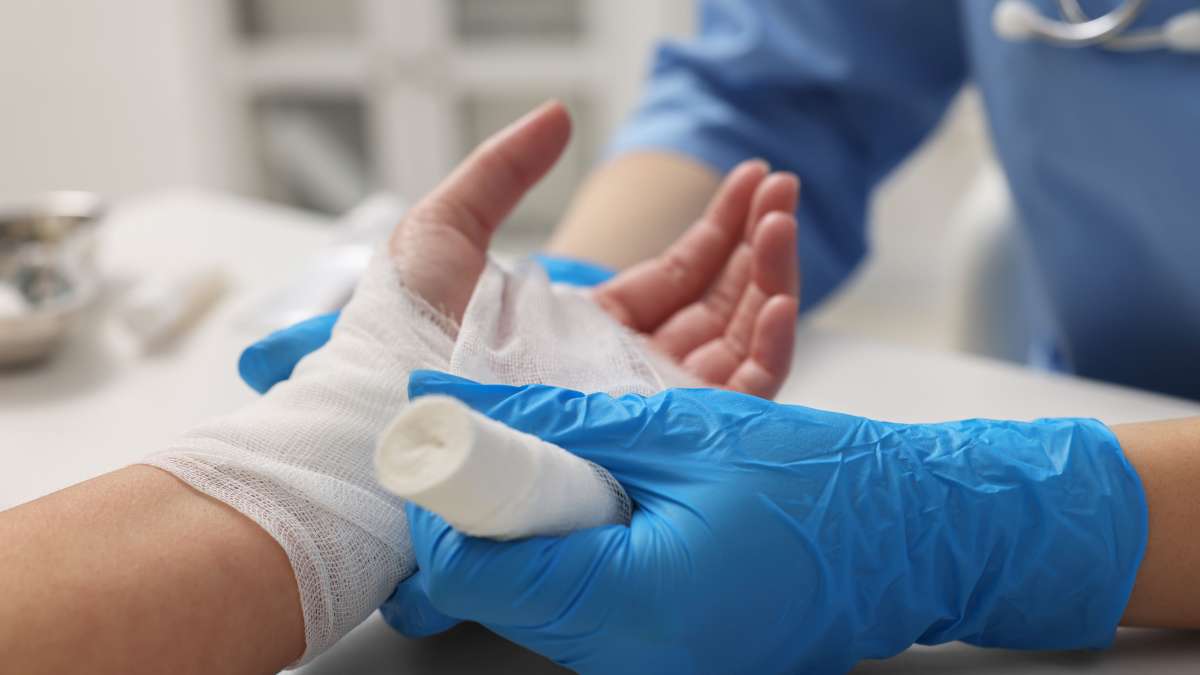
- Minor injuries including burns, cuts, sprains, back pain, and broken bones
Comparing Cost, Availability, and Wait Times
Cost varies significantly between the two services. Treatment in an ED can cost two to three times more than care received in a provider’s office. Conversely, the copay for an immediate care visit is typically equivalent to a regular doctor’s appointment.
Availability also differs. EDs are open 24 hours a day, 365 days a year. Most urgent care centers operate seven days a week, with some, such as UCLA Health centers, open 8 a.m. To 8 p.m. On weekdays and 9 a.m. To 6 p.m. On weekends, and holidays.
Wait times in the ED are based on the severity of the patient’s condition rather than arrival time. In other words patients with non-urgent issues may face longer waits. Immediate care centers are often walk-in only, though some offer virtual visits for specific needs, such as determining if antiviral medication is recommended for those who test positive for COVID-19.
Future Considerations and Scenarios
If a patient visits an immediate care centre for a minor injury that is found to be more serious, a possible next step is a coordinated transfer to the emergency department.

Patients may also increasingly utilize virtual visits for specific diagnoses, which could reduce the need to visit a physical clinic for certain medication recommendations.
Frequently Asked Questions
What is the main difference between an ER and an immediate care centre?
Emergency departments are hospital-based and equipped for severe, life-threatening issues, while immediate care centers bridge the gap between primary care and emergency care for mild to moderate symptoms.
Will my copay be different for immediate care versus the ER?
Yes. Copays for immediate care are typically the same as a primary care physician visit and are generally much lower than the copay for an ER visit.
How are patients prioritized in the emergency department?
ED doctors see patients based on how sick or injured they are, regardless of the order in which they arrived.
Do you feel confident in your ability to distinguish between a medical emergency and a situation suited for urgent care?