

Urgent Infrastructure and Investment Needed for Western and South Western Sydney
South-western Sydney is facing a critical infrastructure deficit as rapid population growth outpaces the delivery of essential public services, according to parliamentary testimony from local representatives. The region, which serves as a primary hub for the state’s essential workforce, currently suffers from systemic school overcrowding and limited access to specialized medical care, with residents often traveling upwards of 80 kilometers for routine treatments.
Why is infrastructure in south-western Sydney lagging?
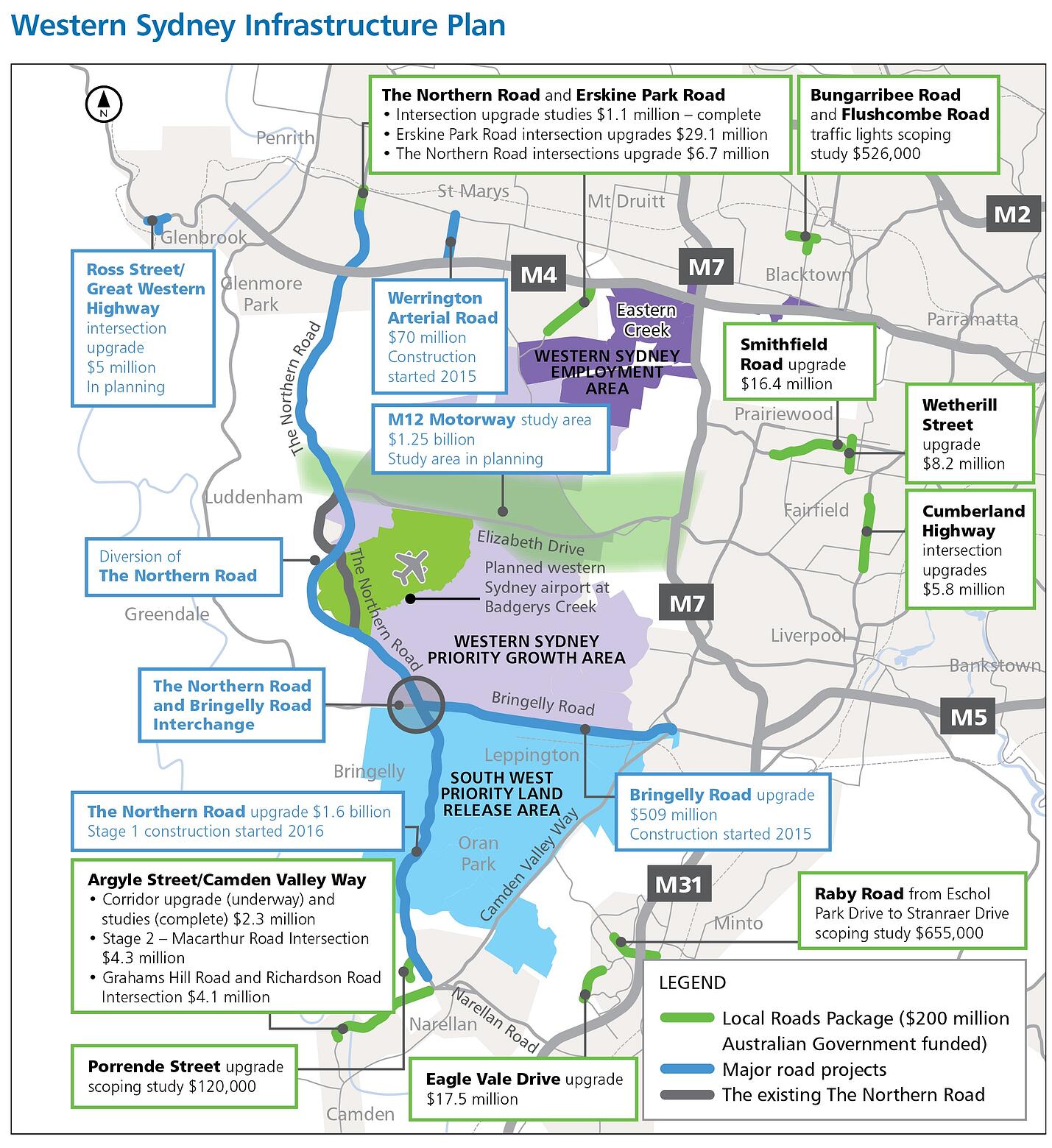
Infrastructure development has failed to keep pace with population surges because of a cycle of election-based promises that lack long-term execution, according to local independent parliamentary members. While major political parties frequently announce projects during campaign cycles, officials report that many of these initiatives remain unfulfilled once the election concludes. This trend has left high-growth corridors—where thousands of new homes are added annually—without the necessary schools, transport links, or hospitals to support the influx of families and small businesses.
Some regions in south-western Sydney have relied on the same public high school infrastructure established in 1958, despite experiencing decades of exponential residential growth.
How does the lack of services impact local health outcomes?
Residents in areas like Bowral and Campbelltown face significant barriers to healthcare, including long-distance travel for critical treatments like chemotherapy, according to community petitions signed by 9,000 residents. The current model forces patients to navigate fragmented systems, traveling to the Illawarra or Liverpool to access basic public hospital services. This geographical inequality places an additional financial and physical burden on essential workers who are already coping with lengthy daily commutes.
What is the future of political representation in the region?
The persistent gap between service delivery and population growth is fueling a shift toward independent political representation, according to observations from the floor of the legislature. Voters are increasingly supporting candidates who prioritize non-partisan, long-term infrastructure planning over traditional party-aligned election cycles. This trend suggests that future development in Western Sydney will likely be driven by pressure from cross-bench representatives who argue that the region is the “backbone” of the state economy and deserves equitable investment.
Pro tips for tracking local development
- Monitor Planning Portals: Check state government planning websites for “Major Projects” status updates to distinguish between announced funding and active construction.
- Analyze Petitions: Follow parliamentary petition portals to see which local services are facing the highest levels of community dissatisfaction.
- Review Budget Estimates: Cross-reference election promises with actual budget allocations in the following fiscal year to confirm project commencement.
Frequently Asked Questions
Why do residents have to travel so far for medical care?
According to local reports, regional public hospitals lack the specialized equipment and staffing required for certain treatments, forcing patients to travel to larger metropolitan hubs.

Are new schools being built in south-western Sydney?
Yes, although representatives note that the rate of new school construction has not matched the pace of residential development, with some areas waiting over 60 years for new facilities.
What role do independent representatives play in this issue?
Independents act as a bridge between the government and the opposition, focusing on specific community delivery rather than partisan platforms to push for infrastructure funding.
Have you experienced significant delays in local infrastructure in your neighborhood? Share your thoughts in the comments section below or subscribe to our newsletter for updates on Western Sydney development projects.