

US Aid Cuts Fuel Malaria Surge in Zimbabwe
The Fragile Frontline: Why the Future of Global Health Depends on Sovereignty, Not Aid
For years, the fight against malaria in Sub-Saharan Africa has followed a predictable script: international donors provide the funding, NGOs deploy the nets, and local health workers manage the clinics. But as recent events in Zimbabwe have starkly demonstrated, this model has a fatal flaw. When political winds shift in Washington or Brussels, the literal lifeline for thousands of people can vanish overnight.
The surge of malaria cases in rural communities—where deaths are climbing and diagnostic kits are disappearing—is not just a medical crisis. It is a warning sign of a systemic failure in how we approach global health security.
The ‘Donor Trap’: The Danger of Health Dependency
When a nation relies on external funding for essential medicines and mosquito nets, it isn’t just receiving help—it’s inheriting a vulnerability. This “donor trap” occurs when domestic health budgets are sidelined in favor of foreign grants, leaving the system paralyzed when those grants are slashed.
We are seeing a growing trend toward health sovereignty. Forward-thinking nations are realizing that the only way to ensure a stable health system is through domestic resource mobilization. This means shifting from a “charity model” to a “sustainability model.”
Future trends suggest a move toward regional manufacturing hubs. Instead of waiting for shipments of diagnostic kits from overseas, African nations are investing in local production of essential medicines and medical devices. This reduces the impact of geopolitical volatility and supply chain disruptions.
For more on how nations are reclaiming their health autonomy, see our analysis on the rise of regional pharmaceutical hubs in Africa.
Climate Change: The Great Disease Multiplier
The relationship between weather and disease is no longer linear; it’s chaotic. The interplay between El Niño events and subsequent heavy rainfall creates a “perfect storm” for vector-borne diseases. In Zimbabwe, the cycle of extreme drought followed by flooding has turned rural farming communities into breeding grounds for mosquitoes.
As global temperatures rise, we can expect three major shifts in the landscape of infectious diseases:
- Expanded Geographic Reach: Malaria and Dengue will likely push further into temperate zones and higher elevations.
- Unpredictable Seasonality: The traditional “malaria season” is blurring, making it harder for health workers to time their indoor spraying campaigns.
- Compounded Vulnerability: Climate-driven crop failures lead to malnutrition, which weakens human immune systems, making common infections more likely to be fatal.
To combat this, the next generation of health systems must be climate-resilient. This involves using predictive AI and satellite imagery to forecast outbreaks weeks before they happen, allowing governments to preposition supplies in “hotspot” communities.
The Geopolitical Weaponization of Aid
The abrupt withdrawal of funding for programs like ZAPIM II and ZENTO highlights a dangerous trend: the use of global health aid as a political lever. When health funding is tied to the political whims of a foreign administration, the victims are rarely the politicians—they are the mothers and children in rural villages.
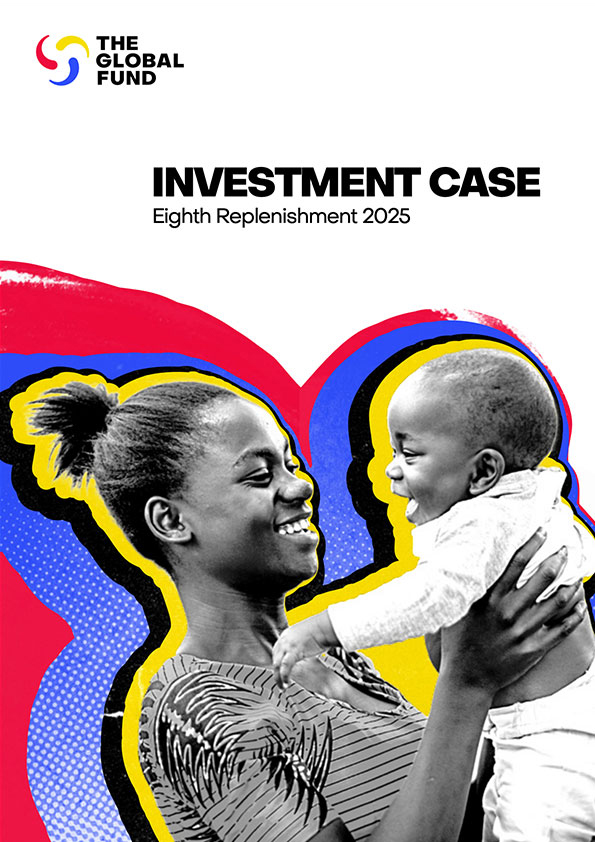
The future of global health funding is likely to diversify. We are seeing a shift away from bilateral aid (one country to another) toward multilateral and private-public partnerships. Organizations like the Global Fund and the Bill & Melinda Gates Foundation provide a buffer, but even they cannot replace a functioning national health budget.
Experts argue that the only permanent solution is the implementation of “health taxes”—dedicated levies on luxury goods or extractive industries—that funnel directly into a national health emergency fund, ensuring that mosquito nets and test kits are available regardless of who is in the White House.
Case Study: The Cost of Delay
Consider the experience of village health workers who suddenly found themselves without diagnostic kits. When a patient must travel an hour or more to a clinic for a simple test, the window for effective treatment closes. In malaria, a 48-hour delay can be the difference between a full recovery and organ failure. This illustrates that “operational capacity” is not just a bureaucratic term—it is a matter of life and death.
Tech-Driven Solutions: The New Safety Net
While funding may be unstable, technology is becoming more accessible. The future of malaria control lies in decentralized diagnostics. We are moving toward a world of “point-of-care” testing where a simple smartphone attachment can diagnose malaria in minutes without needing a fully equipped lab.
the rollout of new malaria vaccines represents a paradigm shift. While nets and sprays are essential, vaccination provides a baseline of protection that doesn’t disappear when a funding cycle ends. The challenge remains the “last mile” delivery—getting these vaccines into the arms of the most remote populations.
Learn more about the latest breakthroughs in WHO’s vaccination strategies to see how global targets are evolving.
Frequently Asked Questions
Why does donor funding affect malaria so drastically?
Many developing nations rely on donors for the “consumables” of healthcare—test kits, medication, and insecticide-treated nets. When funding stops, the physical tools needed to fight the disease vanish.
How does climate change increase malaria cases?
Warmer temperatures allow mosquitoes to breed faster and survive in regions (like highlands) where they previously couldn’t. Heavy rains create the stagnant water pools necessary for mosquito larvae to grow.
What is “Health Sovereignty”?
It is the ability of a country to produce its own essential medicines, fund its own health infrastructure, and manage its health crises without relying on foreign aid.
Can malaria be completely eliminated?
The goal is “elimination,” meaning the disease is no longer endemic in a specific area. While difficult, it is possible through a combination of vaccination, vector control, and rapid treatment.
Join the Conversation
Do you think global health should be funded by governments or independent global trusts to avoid political interference? We want to hear your thoughts.
Leave a comment below or subscribe to our newsletter for more deep dives into global health security.