

US and Iran Sign Agreement to End Middle East War and Lift Sanctions
U.S. President Donald Trump and the Iranian president signed a remote memorandum of understanding on June 17, 2026, to end the war in the Middle East. According to Iranian spokesperson Esmaïl Baghaï, Tehran will dilute its enriched uranium as part of future negotiations in exchange for Washington lifting economic sanctions.
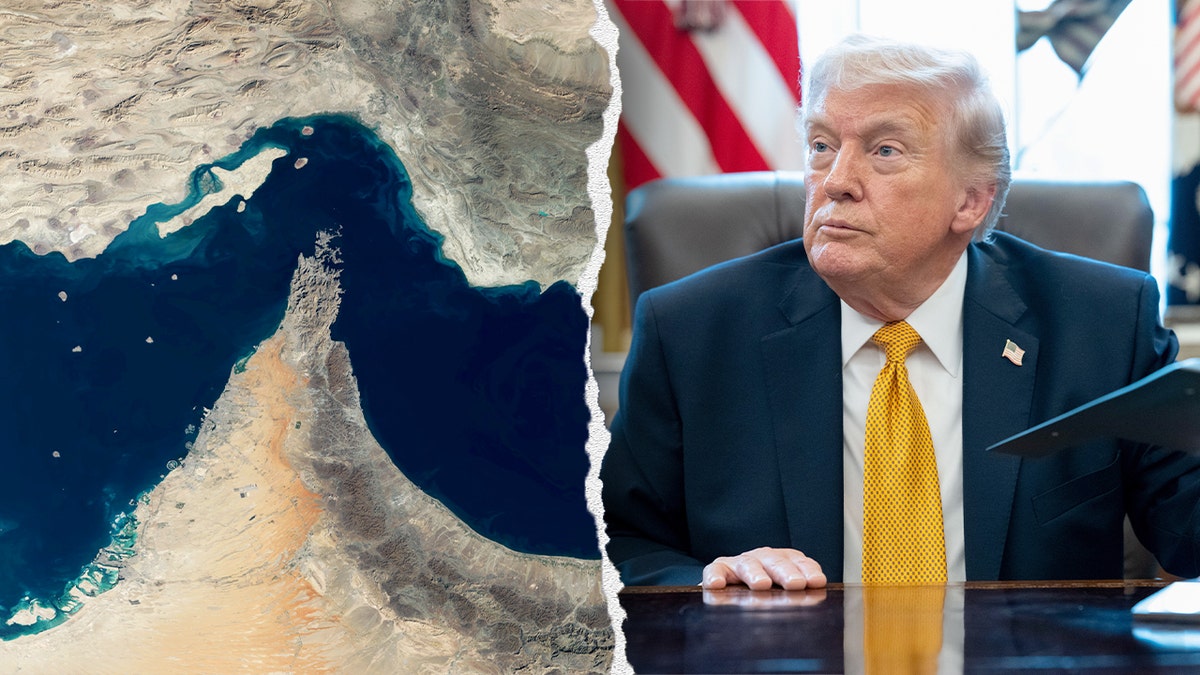
What happens to the Strait of Hormuz and Iranian ports?
The Strait of Hormuz will reopen “instantly,” and the U.S. naval blockade of Iranian ports will end “immediately.” Pakistani Prime Minister Shehbaz Sharif confirmed these details via X, stating the protocol takes effect with immediate impact.
According to Sharif, the Islamic Republic of Iran must reopen the strait without delay. In return, the United States is required to lift its naval blockade. This move aims to restore maritime traffic to one of the world’s most critical oil transit points.
How does the uranium-for-sanctions trade work?
The “Islamabad Protocol” centers on a trade of nuclear concessions for economic relief. Under the terms, Tehran commits to diluting its enriched uranium. This process is a prerequisite for further technical negotiations between the two nations.
In exchange for these nuclear rollbacks, Washington will lift the sanctions that have long isolated the Iranian economy. Esmaïl Baghaï, speaking for the Iranian ministry and cited by the Irna agency, noted that the agreement was signed electronically to ensure the highest level of commitment from both heads of state.
Why do the U.S. and Iran view this agreement differently?
While both sides signed the document, their public framing of the victory differs sharply. President Donald Trump signaled a positive outcome, posing with a “thumbs up” alongside French President Emmanuel Macron at the Château de Versailles, according to a White House video posted on X.
Conversely, Iranian Parliament Speaker Mohammad Bagher Ghalibaf characterized the deal as a sign of weakness from the West. Ghalibaf stated that the agreement “acts as the failure of the United States.” This contrast suggests that while the technical terms are agreed upon, the political narratives remain adversarial.
How did oil markets react to the deal?
Global oil prices dropped following the announcement. Brent crude, the international benchmark, fell 1.47% to $78.38 per barrel by 02:00 GMT on Thursday, according to market data.
This decline followed a brief 5% price spike on Wednesday. Market analysts attributed that volatility to investor nervousness immediately preceding the signing of the protocol. The subsequent drop indicates a market relief that the threat of a prolonged blockade in the Gulf has diminished.
What happens next in the diplomatic process?
A formal ceremony is scheduled for Friday in Switzerland to mark the event and initiate technical discussions. According to Prime Minister Shehbaz Sharif, this event will serve as the official kickoff for the implementation phase.
The Swiss government initially planned the ceremony at a luxury hotel in Bürgenstock. While Tehran previously stated a formal ceremony “had no place” in their plans due to the electronic nature of the signing, the upcoming Swiss meeting will involve high-ranking officials, including Iranian Parliament Speaker Mohammad Bagher Ghalibaf and U.S. Vice President J.D. Vance.
Comparison of Official Positions
| Entity | Stated Perspective | Primary Goal |
|---|---|---|
| United States | Diplomatic success/Victory | Uranium dilution |
| Iran | U.S. strategic failure | Sanctions removal |
Frequently Asked Questions
What is the Islamabad Protocol?
It is the memorandum of understanding signed on June 17, 2026, where Iran agrees to dilute enriched uranium in exchange for the U.S. lifting economic sanctions.
Who mediated the agreement?
While signed by the U.S. and Iran, the process involved support from Switzerland (hosting the ceremony) and France, with President Emmanuel Macron present during the U.S. signing.
Will the Strait of Hormuz reopen immediately?
Yes, according to Pakistani Prime Minister Shehbaz Sharif, the reopening of the strait and the lifting of the U.S. naval blockade are intended to happen “instantly” and “immediately.”
How did the signing take place?
The presidents signed the protocol electronically and at a distance, rather than in a joint physical meeting.
What do you think about the sustainability of this agreement? Share your thoughts in the comments below or subscribe to our newsletter for real-time updates on Middle East diplomacy.