
US and Iran Sign Framework Agreement to End War
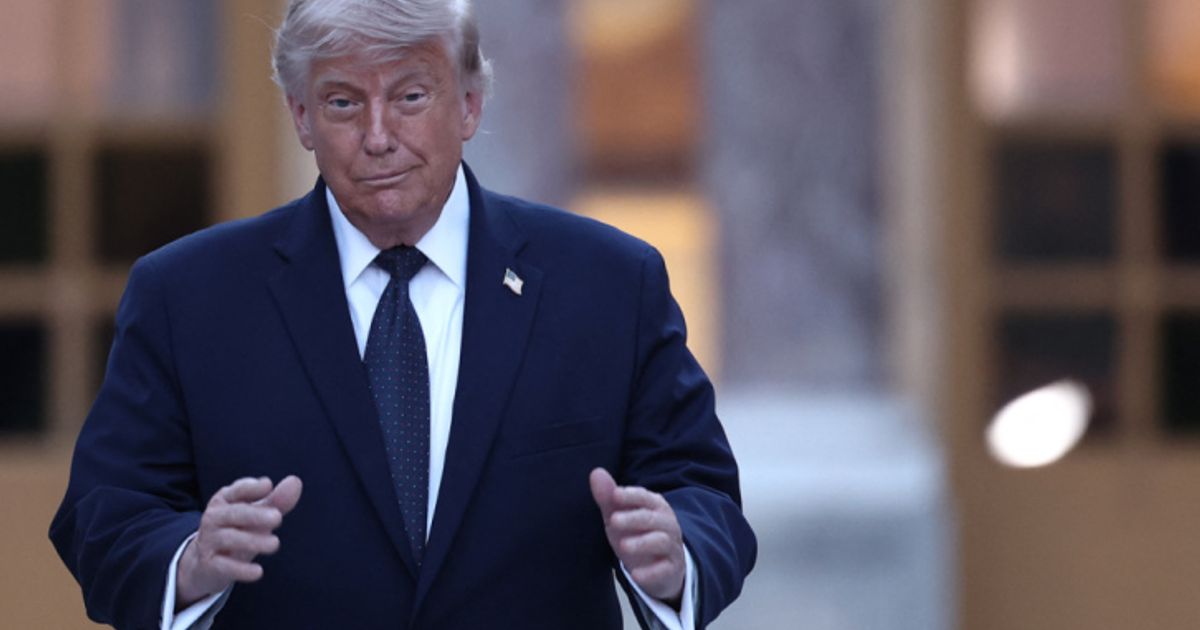
US President Donald Trump and Iranian President Masoud Pezeshkian signed a framework agreement Wednesday to end the war that began in February. According to US and Iranian officials, the deal establishes a 60-day negotiation period to resolve critical issues, including the future of Iran’s nuclear program.
How was the US-Iran framework agreement signed?
The signing occurred Wednesday evening during a dinner between President Trump and French President Emmanuel Macron at the Palace of Versailles. A US government official confirmed Trump’s signature. Masoud Pezeshkian also signed the document, according to a spokesperson for the Iranian Foreign Ministry.

Conflicting reports emerged regarding the method of signing. The US portal Axios reported that Trump personally signed a physical copy of the agreement. However, Esmaeil Bakaei, speaking to the Iranian news agency IRNA, stated the signature was electronic. Bakaei noted that a formal signing ceremony “did not really have a place.”
The timeline for the signing shifted rapidly. Officials originally stated the agreement would be signed Friday at a luxury hotel near Lucerne. Trump finalized the deal instead while in Europe for the G7 summit, following a meeting in Evian.
What happens during the 60-day negotiation period?
The framework agreement does not resolve all conflicts. It serves as a prerequisite for deeper talks. According to the agreement’s terms, a 60-day negotiation window is now open to address “difficult questions.”
The primary focus of these upcoming talks is the future of the Iranian nuclear program. This specific issue was excluded from the initial framework to ensure the immediate cessation of hostilities. Esmaeil Bakaei told IRNA on Wednesday that it is now time to “prove the implementation of this agreement.”
Why does this agreement matter for global stability?
The agreement ends a conflict triggered in late February by US-Israeli attacks. International observers reacted with relief to the news of the framework deal, as the war had created significant regional instability.
By separating the ceasefire from the nuclear negotiations, the two nations have adopted a phased de-escalation strategy. This approach allows for an immediate stop to fighting while leaving the most contentious political and technical hurdles for a dedicated diplomatic window.
Comparing reports: Physical vs. Electronic signatures
The discrepancy between US and Iranian reports highlights a contrast in diplomatic framing:

- Axios: Reported a traditional, physical signing by President Trump.
- IRNA/Bakaei: Emphasized an electronic process, explicitly denying the need for a formal ceremony.
Frequently Asked Questions
Who signed the framework agreement?
US President Donald Trump and Iranian President Masoud Pezeshkian.
Where was the agreement finalized?
The deal was finalized Wednesday evening at the Palace of Versailles in France.
What is the purpose of the 60-day period?
To negotiate complex issues that were not in the framework, specifically the Iranian nuclear program.
When did the conflict begin?
The war started in late February following US-Israeli attacks.
Stay informed on global diplomacy. Do you think the 60-day window is enough to resolve the nuclear dispute? Share your thoughts in the comments below or subscribe to our newsletter for real-time updates.