
US and Iran Sign Peace Agreement to End War and Lift Sanctions
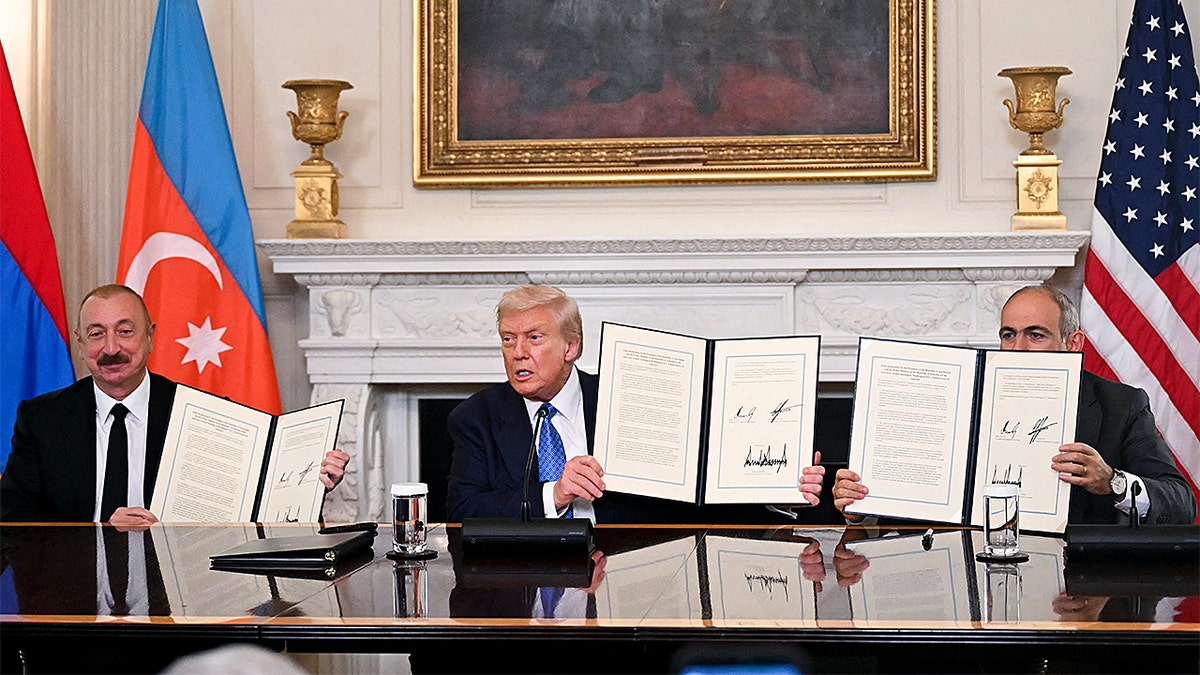
US President Donald Trump and Iranian President Massud Peschkian digitally signed a framework agreement on Wednesday to end military hostilities. The deal includes the lifting of US sanctions, the reopening of the Strait of Hormuz within 30 days, and a $300 billion reconstruction pledge, according to officials in Washington and Tehran.
What are the terms of the US-Iran framework agreement?
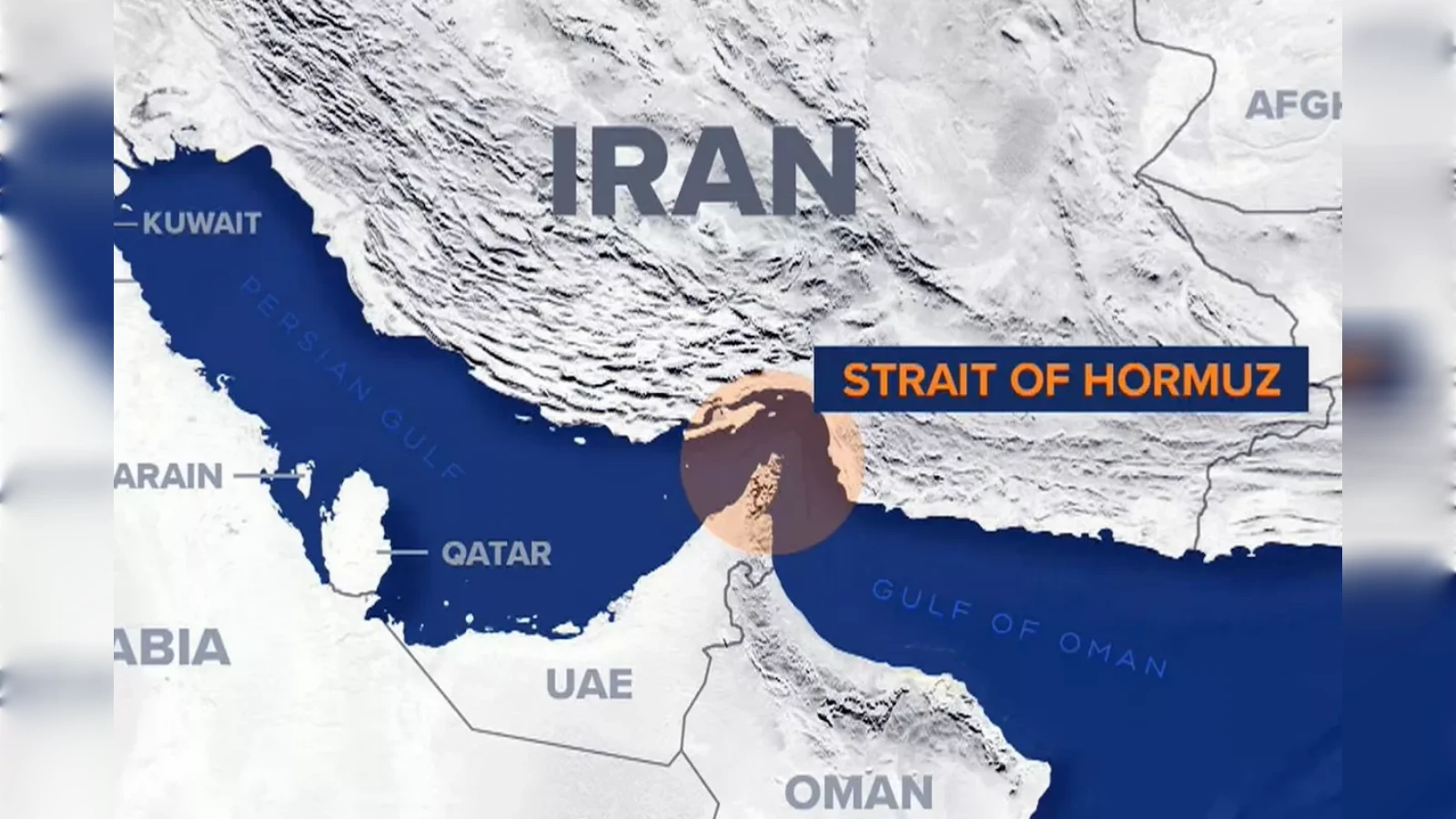
The memorandum of understanding requires the US to lift its blockade of the Strait of Hormuz and restore full shipping traffic within 30 days. In return, Iran must ensure commercial shipping between the Persian Gulf and the Gulf of Oman returns to pre-war levels in the same timeframe, according to a text published by Bloomberg.
The US will end all current sanctions against Iran, including UN Security Council and IAEA resolutions, following a schedule to be set in a final agreement. Until then, the US will grant export licenses for Iranian crude oil, petrochemicals, and related banking and transport services, Bloomberg reports.
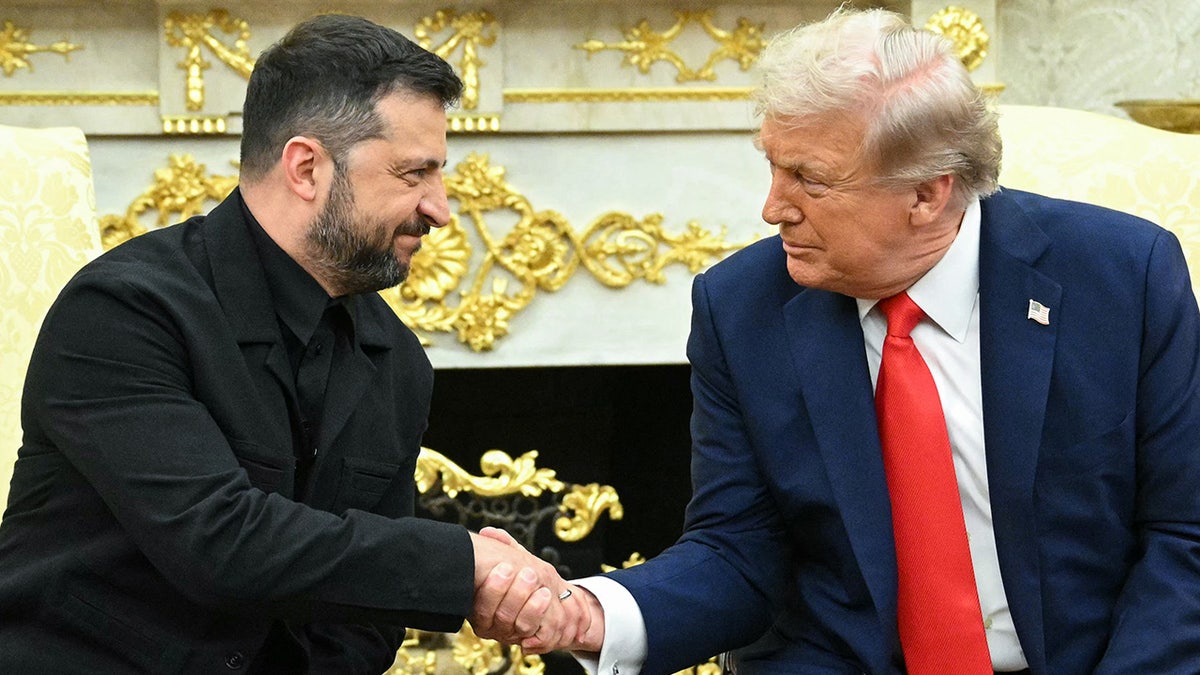
Under the terms, the US will release frozen Iranian assets and funds. Iran reaffirmed it will not produce nuclear weapons and will maintain the status quo of its atomic program. The agreement also mandates an immediate end to fighting on all fronts and the eventual withdrawal of all US troops from surrounding areas after a final deal is reached, according to the leaked draft.
How is the deal affecting global oil markets?
Brent crude oil for August delivery fell below $80 per barrel for the first time since early March, trading at $79.83, a 4% drop from the previous day. US West Texas Intermediate (WTI) crude also declined, dipping below $77 per barrel, according to market data.
The Wall Street Journal reports the agreement allows Tehran to immediately rejoin the international oil trade. Iranian media and the service Tanker Trackers report that at least three oil tankers and two cargo ships have already passed through the US blockade zone in the Gulf of Oman without incident.
In Germany, diesel prices fell to a national average of 1.816 euros per liter on Monday, according to the ADAC. This represents a seven-day streak of declines, bringing prices closer to pre-war levels, though a government tax discount of 16.7 cents per liter also contributed to the drop.
Why does this deal differ from the 2015 nuclear agreement?
Iranian Parliamentary Speaker Mohammed Bagher Ghalibaf described the current strategy as a “diplomacy of strength.” Speaking to the state broadcaster Irib, Ghalibaf stated that military successes allowed Iran to enter negotiations from a position of power, unlike the 2015 Vienna talks.
Ghalibaf claimed there is no room for “empty rhetoric” or compromise in the current talks, framing the process as a “form of resistance.” This contrasts with the 2015 deal, where then-Supreme Leader Ali Khamenei called for “heroic flexibility,” a move criticized by Iranian hardliners at the time.
President Trump previously withdrew the US from the 2015 agreement in 2018 and imposed sanctions that triggered an economic crisis in Iran, according to the provided records.
What happens next for the conflict in Lebanon?
Despite the framework, fighting continues in Lebanon. The state agency NNA reported that an Israeli airstrike near Nabatija killed at least four people on Tuesday, while drone attacks caused injuries in Tyre on Wednesday.
President Trump criticized Israeli strikes on residential buildings in Beirut, stating that Prime Minister Benjamin Netanyahu must act more responsibly. Trump suggested that if Israel cannot operate without killing civilians, Syria should handle the Hezbollah militia, according to remarks made at the G-7 summit in Évian.
German Chancellor Friedrich Merz expressed concern over the escalation and stated that Israel must not become a “conflict driver,” according to the ARD. Merz also noted that the German Bundestag may decide on a mandate for a Bundeswehr mission in the Strait of Hormuz before the July summer break.
A final, comprehensive peace agreement must be negotiated within 60 days and approved by a binding UN Security Council resolution. Iranian Foreign Minister Abbas Araghtschi told the Tasnim agency that further negotiations will begin Friday in Switzerland.
Frequently Asked Questions
When will the blockade of the Strait of Hormuz be fully lifted?
According to the Bloomberg report on the memorandum, the US is committed to lifting the blockade and restoring full shipping traffic within a maximum of 30 days.
How much economic aid is included in the agreement?
The US and its regional partners have pledged reconstruction and economic aid totaling at least $300 billion, according to the agreement text.
What is the status of Iran’s nuclear program under this deal?
Iran has reaffirmed it will not produce nuclear weapons and will maintain its current nuclear status quo. Specific nuclear-related questions and the handling of enriched material are to be settled in the final agreement, according to the memorandum.
Do you believe a “diplomacy of strength” approach will lead to a more durable peace than previous diplomatic efforts?