
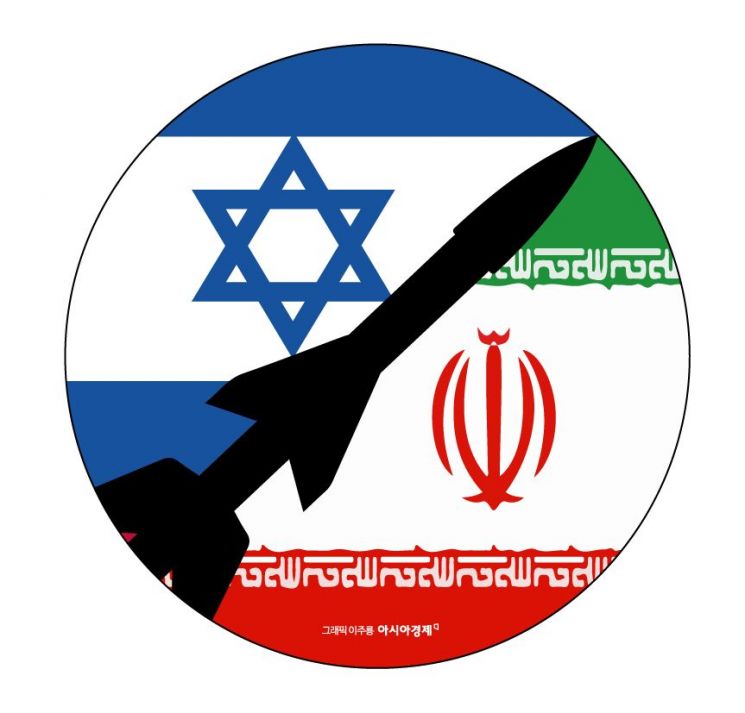
US and Iran Sign Peace MOU to Reopen Strait of Hormuz
U.S. and Iranian officials have begun implementing a temporary agreement to ease tensions in the Strait of Hormuz, with key nuclear and security issues set to be addressed over the next 60 days. The deal, initially scheduled for a formal signing on September 19 in Switzerland, was partially enacted earlier through electronic signatures, according to reports. The move comes amid rising concerns over global energy markets and U.S. political pressures, as outlined in multiple accounts.
What Happened
The U.S. and Iran reportedly completed an electronic signing of their memorandum of understanding (MOU) ahead of the planned September 19 ceremony in Switzerland, according to Axios. The agreement, which takes effect immediately, focuses on reopening the Strait of Hormuz and allowing Iranian oil exports, with a 60-day period for negotiations on unresolved nuclear and security issues. U.S. President Donald Trump cited economic risks, including potential oil price spikes and financial market instability, as reasons for the accelerated timeline.

Despite the early implementation, details about the signing process remain unclear. A U.S. official confirmed the electronic signatures were completed on September 15, while a mediator’s diplomatic source denied the existence of such a signing. Another source claimed the event marked a “second signature,” leaving the exact sequence of actions unresolved.
Why It Matters
The agreement represents a critical step in reducing regional tensions, particularly after months of heightened conflict in the Persian Gulf. By allowing Iranian oil exports and easing restrictions on shipping lanes, the deal aims to stabilize global energy markets, which have been volatile due to fears of disrupted supply. However, the temporary nature of the MOU—described by the Wall Street Journal as a “political gamble”—leaves major nuclear and security issues unresolved, including Iran’s uranium enrichment program and missile capabilities.

The U.S. has also outlined a $3 billion fund to support Iran’s economic recovery, contingent on “good behavior” from Tehran. This conditional approach highlights the delicate balance between offering incentives and maintaining pressure, as seen in Trump’s remarks about freezing Iranian assets: “It’s their money, not ours.”
What May Happen Next
Over the next 60 days, negotiations will determine the fate of unresolved issues such as Iran’s nuclear program and missile development. Analysts suggest the outcome could hinge on whether Iran demonstrates compliance with U.S.-backed verification measures. If talks fail, the U.S. has signaled it could reimpose sanctions, though Trump has warned of military action if Iran violates the agreement.
The deal’s success also depends on managing internal political pressures. Trump’s decision to prioritize economic stability over hardline policies has drawn criticism from U.S. allies and domestic opponents, who view the agreement as favoring Iran. Meanwhile, regional actors like Israel and Saudi Arabia may push for stricter terms, complicating the negotiation landscape.
Frequently Asked Questions
What is the current status of the U.S.-Iran agreement? The memorandum of understanding (MOU) has taken effect through electronic signatures, with a formal signing scheduled for September 19 in Switzerland. Key provisions include reopening the Strait of Hormuz and allowing Iranian oil exports.
What issues remain unresolved? Core nuclear and security matters—such as Iran’s uranium enrichment program, missile development, and support for proxy groups—will be addressed over the next 60 days. The agreement does not include a full dismantling of Iran’s nuclear infrastructure.
How does the U.S. plan to incentivize Iran’s compliance? The U.S. has proposed a $3 billion fund to support Iran’s economic recovery, contingent on Tehran demonstrating “good behavior.” This includes adherence to nuclear restrictions and reduced hostility toward regional rivals.
Could this agreement lead to broader diplomatic progress, or is it a temporary fix?