

US and Nigerian Forces Kill Over 200 ISIS Terrorists
US AFRICOM and the Nigerian Armed Forces eliminated over 200 Islamic State (IS) terrorists in northeast Nigeria during recent joint operations. The strikes killed Abu Bilal al-Minuki, a key financial and organizational leader, which AFRICOM states will disrupt IS activities globally. No US or Nigerian casualties were reported during the mission.
How does the death of Abu Bilal al-Minuki affect ISIS?
The removal of Abu Bilal al-Minuki targets the financial backbone of the Islamic State. According to an AFRICOM statement, al-Minuki served as a financial and organizational leader responsible for planning attacks specifically against the United States.
AFRICOM asserts that his death will “disorganize the activities of the IS worldwide.” By removing the individual managing the flow of funds and organizational structure, the group’s ability to coordinate complex, cross-border attacks typically diminishes.
Why are US and Nigerian joint operations increasing?
Recent data shows a pattern of intensifying coordinated strikes. In May, Nigerian forces and AFRICOM eliminated 175 terrorists in the northeast. The most recent operation increased that number to over 200 kills.
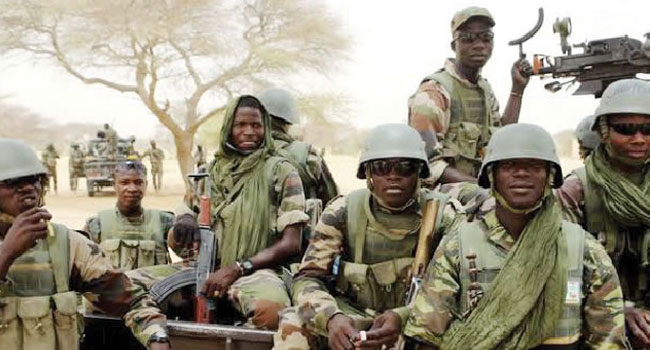
This trend suggests a shift toward high-value targeting. Rather than broad territorial sweeps, the partnership is focusing on “targeted operations” to remove leadership figures. This strategy aims to collapse the command-and-control structure of insurgent groups more efficiently than traditional infantry warfare.
For more on regional security, see our analysis of West African security trends or visit the official AFRICOM portal.
What is the current state of insurgency in northeast Nigeria?
Nigeria continues to face a dual threat from Boko Haram and the Islamic State. Boko Haram, which surfaced in 2009, remains the most active insurgent group in the region. According to reported figures, the resulting conflict has claimed more than 40,000 lives.
The landscape is complicated by the involvement of various other jihadist factions. While joint operations are producing high casualty counts for terrorists, the region remains volatile due to the persistent presence of bandits and insurgents who exploit local instability.
Comparison of Recent Joint Operation Outcomes
The scale of recent strikes shows a steady volume of neutralized targets in the northeast region:
| Operation Period | Terrorists Eliminated | Key Outcome |
|---|---|---|
| May Operation | 175 | Regional degradation |
| Recent Operation | 200+ | Death of Abu Bilal al-Minuki |
Frequently Asked Questions
Who is Abu Bilal al-Minuki?
He was a high-ranking financial and organizational leader for the Islamic State, tasked with planning attacks against the U.S. and managing the group’s resources.
Were there any casualties among the coalition forces?
No. According to the official AFRICOM communiqué, neither American nor Nigerian military personnel were injured during the operations.
How long has the conflict in northeast Nigeria lasted?
The instability intensified in 2009 with the rise of Boko Haram, meaning the region has been in a state of active conflict for over a decade.
What do you think about the effectiveness of targeted leadership strikes versus broad military campaigns? Share your thoughts in the comments below or subscribe to our newsletter for weekly security briefings.