
US Announces Six-Month Review of Military Presence in Europe
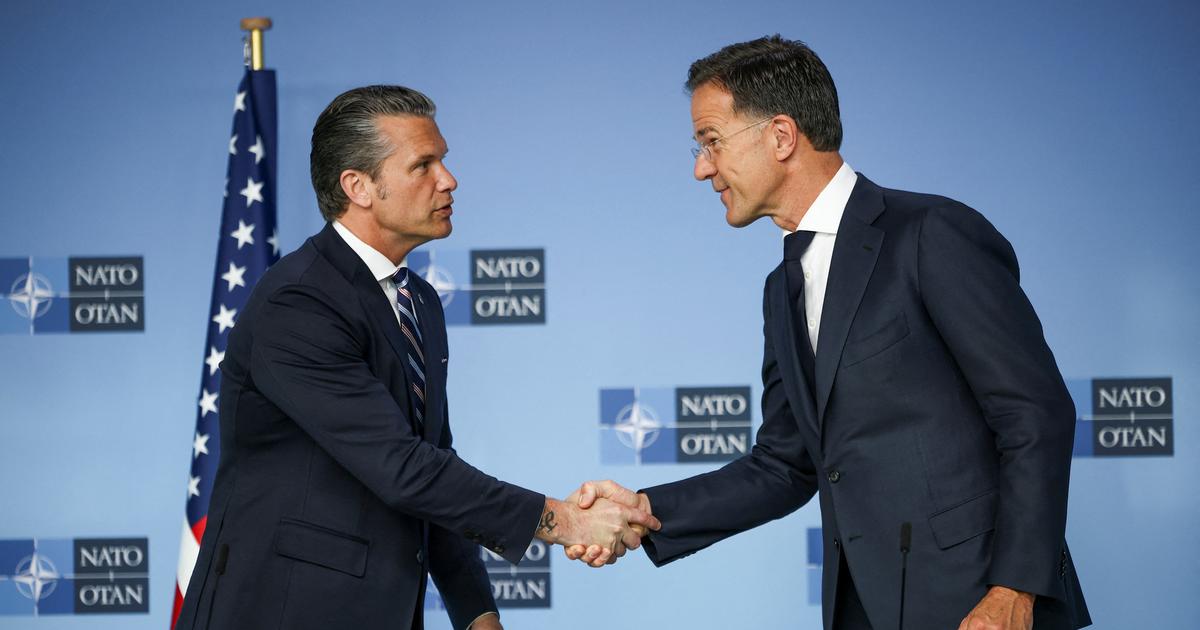
The U.S. Department of Defense has initiated a six-month strategic review to evaluate the current positioning and force structure of American military personnel across Europe. Announced by the Pentagon during a NATO defense ministerial meeting in Brussels, the review aims to align existing deployments with evolving security requirements and the alliance’s long-term defense posture, according to official statements from the session.
Why is the U.S. reviewing its European force posture?
The review is driven by the need to balance rapid-response capabilities with long-term logistical sustainability. According to NATO officials, the shift reflects a move away from static, Cold War-era base models toward a more agile and rotational presence. By re-examining the placement of these units, the Pentagon intends to ensure that resources are concentrated in regions where they can provide the most effective deterrence against conventional threats.
Did you know? The U.S. currently maintains tens of thousands of troops across Europe, with major hubs in Germany, Poland, and the United Kingdom serving as the backbone of NATO’s eastern flank defense.
How does this review compare to past military shifts?
This assessment follows a historical pattern of periodic force realignment. Following the 2004 Base Realignment and Closure (BRAC) process, the U.S. shifted focus toward more mobile, expeditionary forces. Current military analysts note that this review differs from previous iterations by emphasizing high-tech, multi-domain integration—such as enhanced cyber-defense and long-range precision fires—rather than simply adjusting the number of infantry battalions in specific host nations.
What are the potential impacts on NATO member states?
Host nations may see changes in the types of infrastructure investments required to support U.S. operations. According to the Pentagon’s briefing, the review will consider not only the physical location of troops but also the pre-positioning of equipment and ammunition. This indicates a potential increase in localized military construction projects across Eastern European allies, who have consistently requested a more permanent U.S. presence on their territory.

Frequently Asked Questions
- Will this review result in a permanent withdrawal of troops? No, the stated goal is to optimize the footprint, not necessarily to reduce total numbers.
- How long will the review take? The Pentagon has set a six-month timeline for the initial assessment and reporting phase.
- Does this affect NATO’s Article 5 commitments? No, the review is intended to strengthen the alliance’s ability to meet its collective defense obligations.
Stay informed on international security developments by subscribing to our defense policy newsletter or exploring our archives on NATO integration trends. Have thoughts on how these changes might affect regional stability? Join the conversation in the comments section below.