

US Army Receives First Next-Gen Lightweight Javelin Launch Units
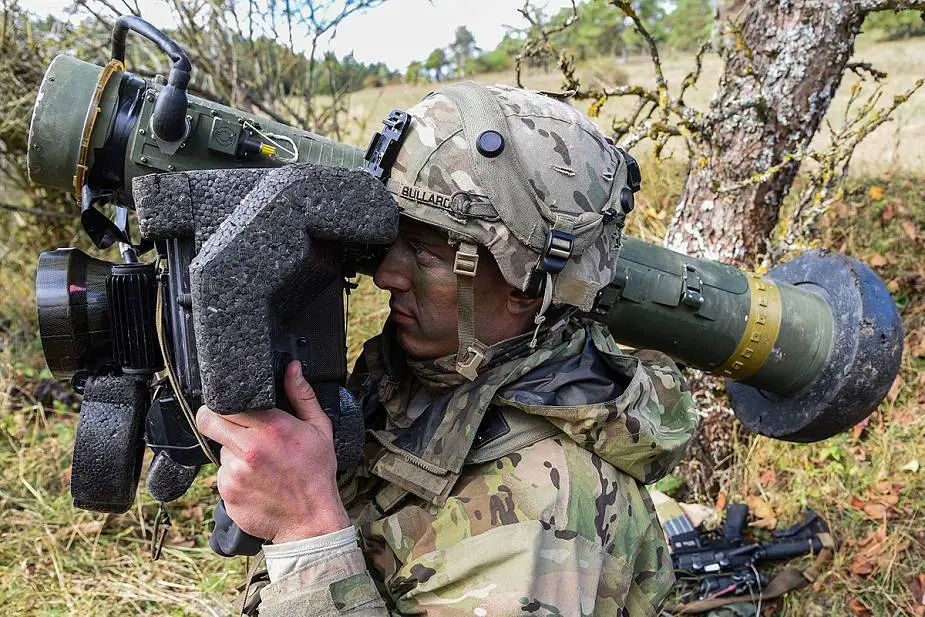
The U.S. Army has officially taken delivery of its next-generation anti-tank technology, marking a significant step forward in modernized infantry warfare. The Javelin Joint Venture (JJV)—a partnership between RTX and Lockheed Martin—confirmed that the first Lightweight Command Launch Units (LWCLU) have been delivered from their manufacturing facility in Tucson, Arizona.
Enhanced Capabilities for Modern Battlefields
The LWCLU represents a substantial hardware upgrade designed to increase efficiency on the field. The new unit features a target detection and identification range that is double that of previous iterations. Beyond its performance capabilities, the unit is 25% lighter and 30% more compact, reducing the physical burden on soldiers.
Engineering specifications indicate that the new launch unit is designed for total compatibility. We see built to function seamlessly with all existing, current, and future iterations of the Javelin missile, ensuring that the Army’s inventory remains versatile as technology continues to evolve.
Looking Ahead: Scaling Production
The delivery of the first LWCLU signals the start of the next phase of the programme’s lifecycle. With a $22 million investment directed toward modernizing production facilities, the joint venture is positioning itself to manage the increased demand that has persisted following the conflict in Ukraine. As the Army integrates this equipment into its forces, it is likely that the transition will continue to roll out across various units, potentially standardizing these lighter, more capable systems as the new baseline for infantry anti-tank operations.
Frequently Asked Questions
What are the primary physical improvements of the new LWCLU?
The new unit is 25% lighter than the previous version—reducing its weight by approximately 1.6kg—and is 30% smaller in size, while doubling the target detection and identification range.
Is the new launch unit compatible with older Javelin missiles?
Yes. The LWCLU is designed to be compatible with all past, present, and future versions of the Javelin missile system.
Why was this investment in production capacity made?
The $22 million investment in facility modernization was made to respond to the surge in demand for Javelin systems following the war in Ukraine.
How do you think the reduction in equipment weight will change the way infantry units approach tactical positioning on the battlefield?