

US Deportation of Cubans to Mexico Leaves Thousands in Legal and Humanitarian Limbo
The Human Cost of Policy: A New Era of Transnational Displacement
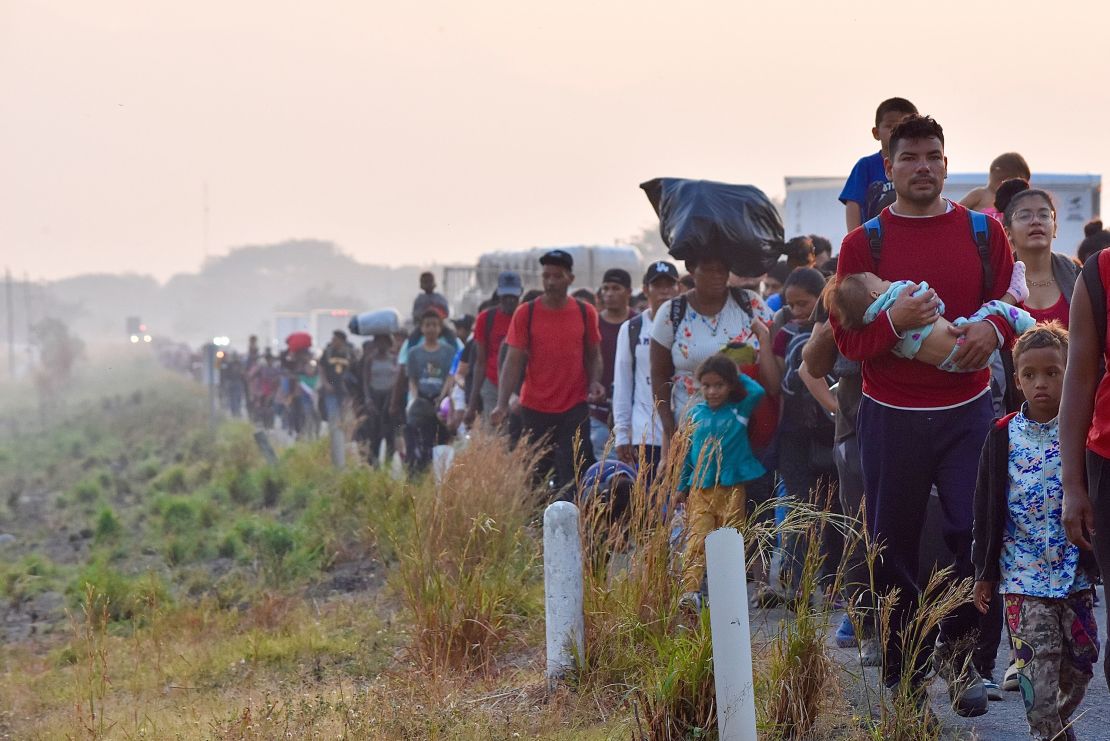
The landscape of international migration is undergoing a seismic shift. Recent reports from human rights organizations highlight a troubling trend: the emergence of “third-country expulsion,” where nations effectively outsource their immigration enforcement by pushing non-citizens into neighboring countries that are ill-equipped to support them. This creates a precarious limbo for thousands, particularly for aging populations who have called the U.S. Home for decades.
The Legal and Humanitarian Vacuum
When individuals are deported to a country that is not their nation of origin—such as the thousands of Cubans sent to Mexico—they enter a legal “no-man’s land.” Because their home country refuses their return and the host country lacks a pathway to permanent residency, these individuals become trapped.
The absence of a clear legal framework means these migrants are frequently denied access to essential services. For those over the age of 60, many of whom suffer from chronic health conditions, this is not just a bureaucratic hurdle; We see a life-threatening reality. Without legal status, they cannot work, rent housing, or access the medication required to manage long-term illnesses.
The Erosion of Due Process
A fundamental pillar of international human rights law is the right to an individual assessment. However, current trends show a move toward mass, summary expulsions. Experts argue that bypassing individual hearings violates the Immigration and Nationality Act, which mandates that every individual must have a fair opportunity to contest their removal.
Future Trends: What to Expect in Global Migration Policy
As governments grapple with rising migration numbers, the reliance on “buffer zones” and third-country transfers is likely to intensify. Here is what observers should watch for in the coming years:
- Increased Outsourcing of Detention: Expect more nations to strike deals that shift the burden of detention and processing to transit countries.
- Digital Surveillance and Tracking: As physical borders become more porous, governments will likely pivot toward advanced tracking technologies to manage displaced populations within their borders.
- Legal Challenges on “Safe Third Country” Agreements: We will see a surge in litigation challenging the constitutionality of agreements that force migrants into countries where their basic human rights cannot be guaranteed.
Frequently Asked Questions
- Why are Cubans being sent to Mexico instead of Cuba?
- The Cuban government often refuses to accept the repatriation of its citizens. The U.S. Has entered into agreements with Mexico to accept these individuals, despite them not being Mexican nationals.
- What is a “third-country” expulsion?
- This occurs when a migrant is deported to a country that is neither their country of origin nor their country of permanent residence, often due to diplomatic agreements between the deporting nation and the transit country.
- Can these individuals apply for asylum in Mexico?
- While legally possible, the process is notoriously slow and underfunded. Many migrants struggle to prove a “fear of persecution” in their home country, which is a requirement for asylum, effectively barring them from legal protection.
The Path Forward: A Call for Transparency
The current situation demands a shift toward transparency. Any agreement between sovereign nations regarding the movement of people must be public, subject to parliamentary or congressional oversight, and strictly adhere to international human rights standards.

Without independent oversight, these policies risk turning human beings into political pawns. Ensuring that the elderly, the sick, and the vulnerable are treated with dignity is not just a policy preference—it is a moral imperative in a globalized world.
What are your thoughts on the ethics of third-country expulsions? Share your perspective in the comments section below, or subscribe to our weekly policy briefing to stay informed on the latest developments in global migration law.