
US Ebola Patient Discharged From Charité Berlin After Successful Recovery
A US doctor infected with the rare Bundibugyo Ebola virus has been discharged from the Charité hospital in Berlin after successful treatment. Admitted on May 20, 2026, the patient recovered through a combination of antiviral and experimental therapies, with the clinic reporting no detectable virus since May 30.
How was the US doctor treated for the Bundibugyo virus?
The patient was transported from Uganda via a special aircraft and admitted to a special isolation ward at the Campus Virchow-Klinikum. A PCR test confirmed the infection was the Bundibugyo virus, a specific strain of Ebola.
According to the clinic, the doctor arrived very weak with a high virus load and typical symptoms. However, his condition improved during the first week of a combined antiviral therapy and other medical measures.
Leif Erik Sander, Director of the Clinic for Infectiology and Intensive Care at Charité, described the recovery as a “significant therapeutic success.” By the time of his release on May 31, the patient’s laboratory values had normalized.
Why is this recovery significant compared to the Congo outbreak?
The recovery highlights a stark divide in healthcare access. The US doctor received “first-class” care and experimental therapies that are not available to the general population in the Democratic Republic of Congo (DRC).

In the DRC, the virus is proving difficult to contain despite international aid. The population’s desperation has led to the burning of treatment tents and a deep mistrust of Red Cross helpers.
While the German Federal Ministry of Health confirmed there was no danger to the public during the patient’s stay, the situation in Africa remains critical. The virus spreads through body fluids and direct physical contact.
What is the current status of the Ebola outbreak in Africa?
The World Health Organization (WHO) reports that the outbreak in the DRC and Uganda is far from being under control. Africa CDC has confirmed 381 cases in the Congo, including 62 deaths.
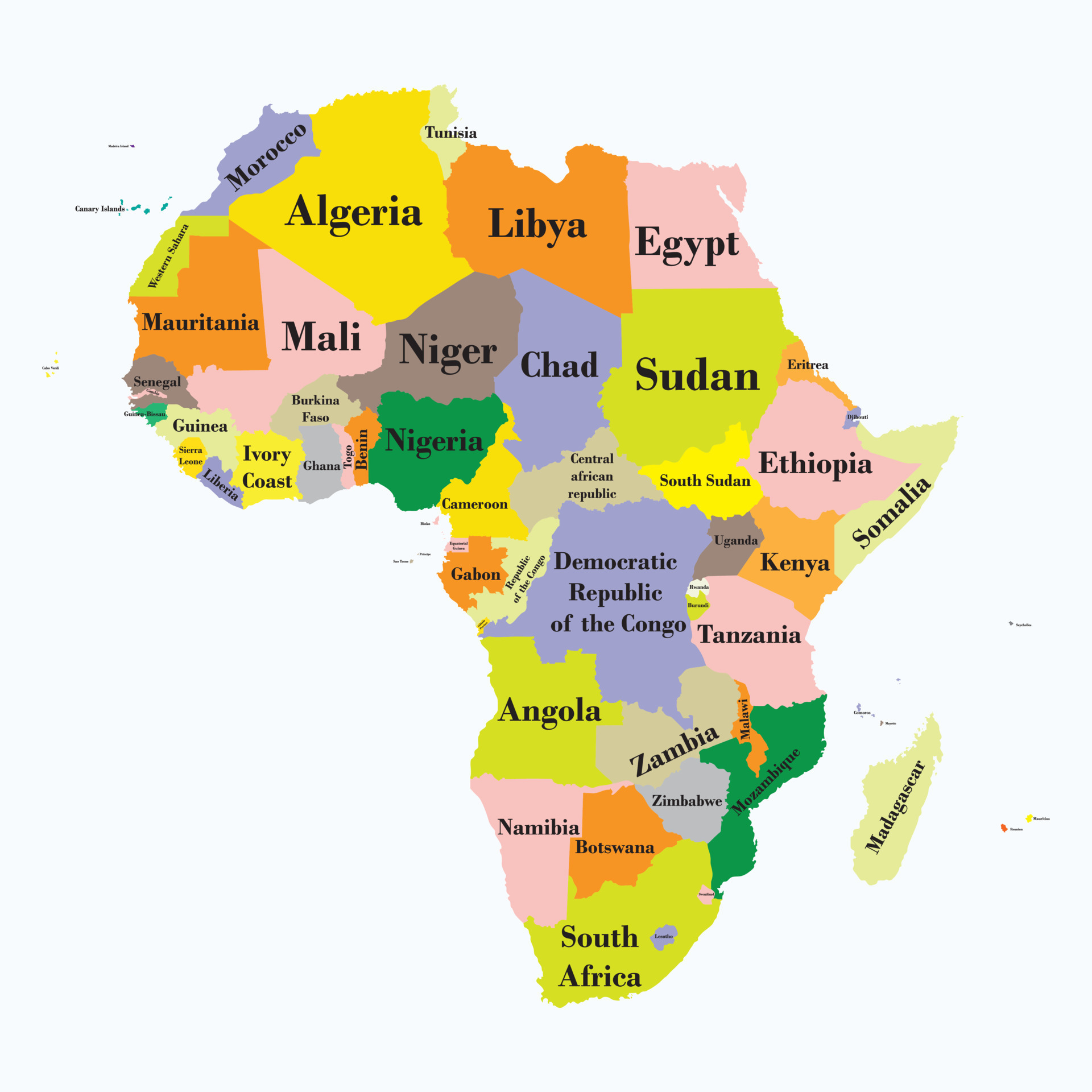
In neighboring Uganda, authorities have confirmed 16 cases and one death. The WHO warns that the actual number of infections is likely higher than reported due to a high “dark figure” of undocumented cases.
Monitoring and isolating infected individuals remains a primary challenge for health officials on the ground, contributing to the continued spread of the virus.
What may happen next in the fight against Bundibugyo?
If the virus is not restricted to Africa, there is a possibility that it could lead to wider international health concerns. The speed of the current spread is reported to be faster than in previous outbreaks.
Medical researchers may look to the experimental therapies used at Charité to develop more formal treatment options. A possible next step could involve expanding these therapies to the DRC, provided the social mistrust of health workers can be overcome.
Frequently Asked Questions
What specific virus did the US doctor contract?
The doctor was infected with the Bundibugyo virus, a rare type of Ebola virus confirmed via a PCR test.
Was the public in Berlin at risk during the treatment?
No. According to the Federal Ministry of Health, there was no danger to the general population or other patients.
How many confirmed cases are currently in the DRC?
According to Africa CDC, there are 381 confirmed cases in the Democratic Republic of Congo, with 62 reported deaths.
Do you think international medical cooperation is the most effective way to stop rare virus outbreaks?