
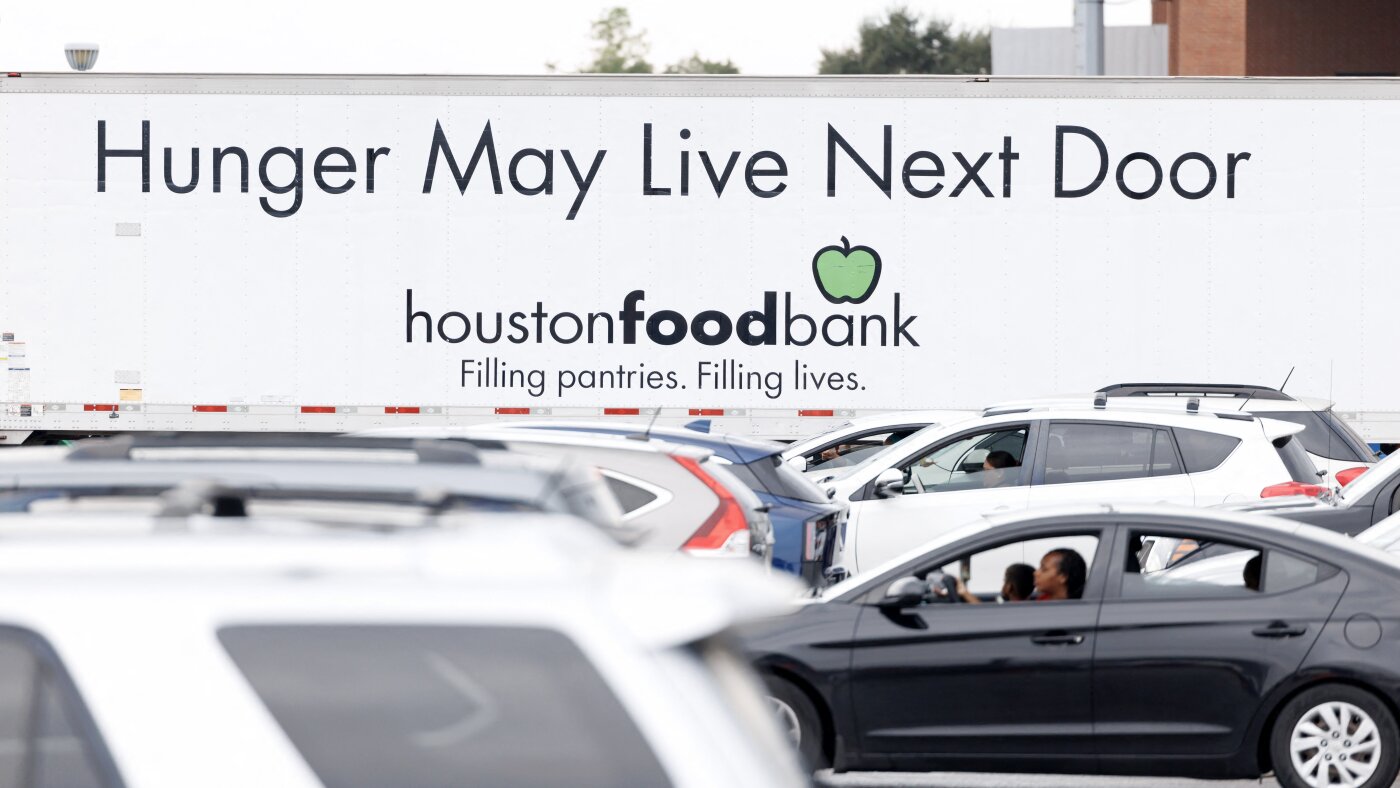
US Food Insecurity Now Higher Than During COVID-19 Pandemic
Food insecurity in the United States has reached levels more pervasive than those seen during the height of the COVID-19 pandemic six years ago. A recent survey from the Federal Reserve Bank of New York reveals that more Americans are currently struggling to afford basic nutrition than during the summer of 2020, a period previously marked by double-digit unemployment.
The Growing Scale of Hunger
Data from the February survey indicates that 10% of families nationwide are missing meals due to a lack of food. Nearly 16% of families are now relying on food donations to survive.
The crisis is most acute for those earning less than $50,000 annually. In this income bracket, food insecurity rates are approximately twice as high, with nearly 20% of families forced to skip meals or go without.
By comparison, in 2020, only 4% of households reported missing meals, and less than 7% of families earning under $50,000 faced the same struggle.
Drivers of Economic Strain
Economists at the New York Fed describe this trend as a “K-shaped economy,” where a growing divide exists between those who are thriving and those facing severe financial strain. While overall economic activity has expanded, large segments of the population report low consumer sentiment and high levels of insecurity.
Several factors have converged to create this environment. Government relief payments and supplemental unemployment benefits that offset hunger during the pandemic have ended, while food prices have risen rapidly.
Unexpected expenses also play a critical role. Nicole Williams, CEO of the Community Food Bank of Central Alabama, notes that medical bills, car repairs, or slight increases in gas and food costs can force families to reduce their grocery spending.
Regional Impact and Assistance Trends
The strain is visible across multiple states. In Augusta, Georgia, Amy Breitmann of the Golden Harvest Food Bank reports that some individuals sleep in their cars in lines stretching two to three miles the night before distributions begin.
In Alabama, the Community Food Bank of Central Alabama is relocating to a larger building to manage the increasing demand across 12 counties.
Reliance on the Supplemental Nutrition Assistance programme (SNAP) has also increased despite tighter eligibility requirements. Nearly 18% of surveyed families received SNAP benefits this year, compared to 10.6% in 2020. Among lower-income families, this figure has risen from 22% six years ago to over 38% today.
Future Outlook
The economic pressure may intensify as external factors influence household budgets. The New York Fed survey was conducted prior to a U.S. War with Iran, which subsequently triggered a spike in gasoline prices.
Increased transportation costs could lead to further reductions in food spending. As Amy Breitmann notes, an additional $100 monthly expense for gas to get to work or school is likely to be pulled directly from the grocery budget.
the Agriculture Department halted its own food insecurity research last year, stating such studies did “nothing more than fear monger,” which may affect how future data is collected and reported.
Frequently Asked Questions
How does current food insecurity compare to 2020?
Hunger is more pervasive now than at any time in the last six years. Currently, 10% of families report missing meals, compared to 4% of households in 2020.
What is a “K-shaped economy”?
It is a term used by observers to describe a growing divide where some households are doing fine and economic activity is expanding, while large segments of the population face high levels of financial strain.
How has SNAP usage changed?
SNAP reliance has grown from 10.6% of families in 2020 to nearly 18% this year. Among lower-income families, usage increased from 22% to more than 38% over the last six years.
How do you think community-led food banks can best adapt to the growing needs of their neighbours?