
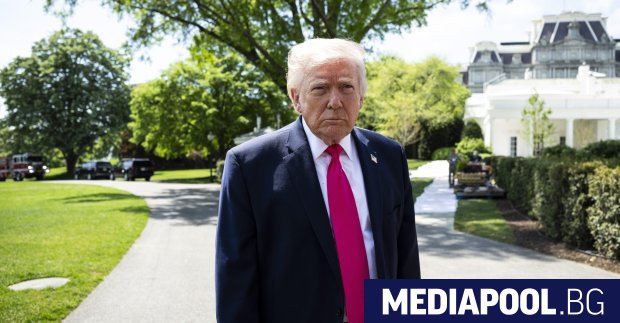
US House Passes Resolution to Restrict Trump’s Military Action Against Iran
The Tug-of-War Over War Powers: Will Congress Finally Curb the Presidency?
The recent legislative maneuvers in Washington highlight a deepening rift between the executive branch and the Capitol. When the House of Representatives passes a resolution aimed at restricting a president’s military autonomy, It’s rarely just about a single conflict. It is a fundamental debate over the constitutional balance of power—the classic tug-of-war between the White House and the legislative branch.

While symbolic victories are common in politics, this latest push signals a growing frustration within both aisles regarding the “forever war” mentality. As geopolitical tensions simmer, the precedent being set today could redefine how future administrations engage in overseas conflicts.
The Constitutional Chess Match
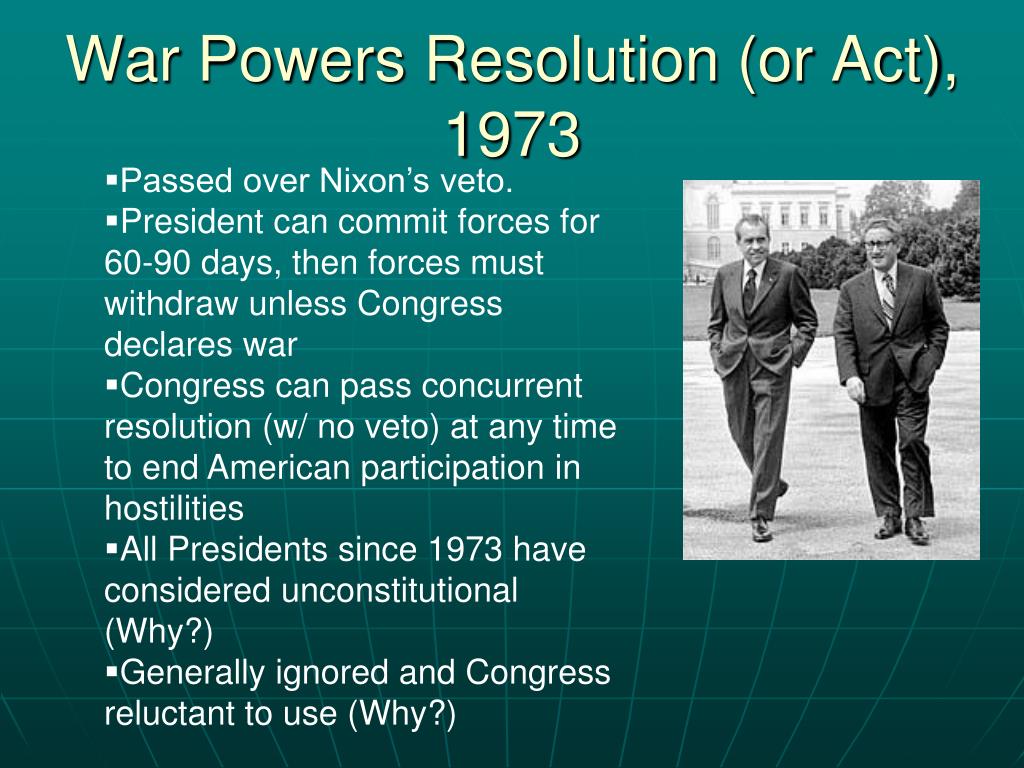
At the heart of this issue is the War Powers Resolution, a piece of legislation designed to ensure that the collective judgment of both Congress and the President is applied to the introduction of U.S. Armed Forces into hostilities. Critics argue that modern executive overreach has rendered this law toothless.

When the House pushes to force a withdrawal or demand congressional approval, they are effectively testing the strength of the checks and balances system. History shows us that whenever the legislative branch attempts to claw back its war-making authority—often citing the Constitution—the executive branch almost invariably labels it an “unconstitutional infringement.”
Why Bipartisanship Matters in Defense Policy
The most striking element of the recent vote was the defection of key members from the President’s own party. This isn’t just a party-line squabble; it is a signal that the traditional “hawkish” stance of certain factions is being challenged by a growing non-interventionist movement.
When lawmakers from both sides of the aisle align, it creates political cover for others to follow. This bipartisan friction makes it increasingly difficult for any administration to maintain a unified front, especially when public sentiment on the ground—driven by economic concerns like rising fuel prices—begins to shift.
The Economic Ripple Effect of Conflict
Foreign policy is rarely isolated from the kitchen table. When conflicts escalate, energy markets react almost instantly. Higher volatility in oil prices often stems from uncertainty in the Middle East, directly impacting the cost of living for the average citizen.
As global energy analysts often point out, the market hates uncertainty. A legislative move to limit military action may be perceived by markets as a move toward stability, or conversely, as a sign of internal political weakness. Either way, the economic stakes are high.
Future Trends: What to Expect
Looking ahead, we are likely to see three major trends in the governance of military force:
- Increased Judicial Involvement: As Congress struggles to enforce its will, expect more legal challenges regarding the limits of the Commander-in-Chief’s authority.
- The “Symbolic” Strategy: Lawmakers will continue to use non-binding resolutions to signal disapproval, even if they lack the votes to override a presidential veto.
- Public Accountability: With the rise of social media and real-time reporting, public pressure on representatives to vote against “forever wars” will only intensify during election cycles.
Frequently Asked Questions (FAQ)
Q: Is a House resolution the same as a law?
A: No. A resolution is a formal expression of opinion or intent, but it does not carry the same legal weight as a bill that has been signed into law by the President.
Q: Why does the President usually veto these resolutions?
A: Presidents generally view such resolutions as an infringement on their constitutional authority to act as Commander-in-Chief and to protect national security interests.
Q: Can Congress actually stop a war?
A: Yes, through the power of the purse. Congress controls federal funding; if they refuse to allocate money for a specific conflict, the executive branch is effectively forced to cease operations.
What do you think? Is the current system of checks and balances working, or is it time for a formal update to the War Powers Act? Join the conversation in the comments below or subscribe to our weekly briefing for more in-depth geopolitical analysis.