
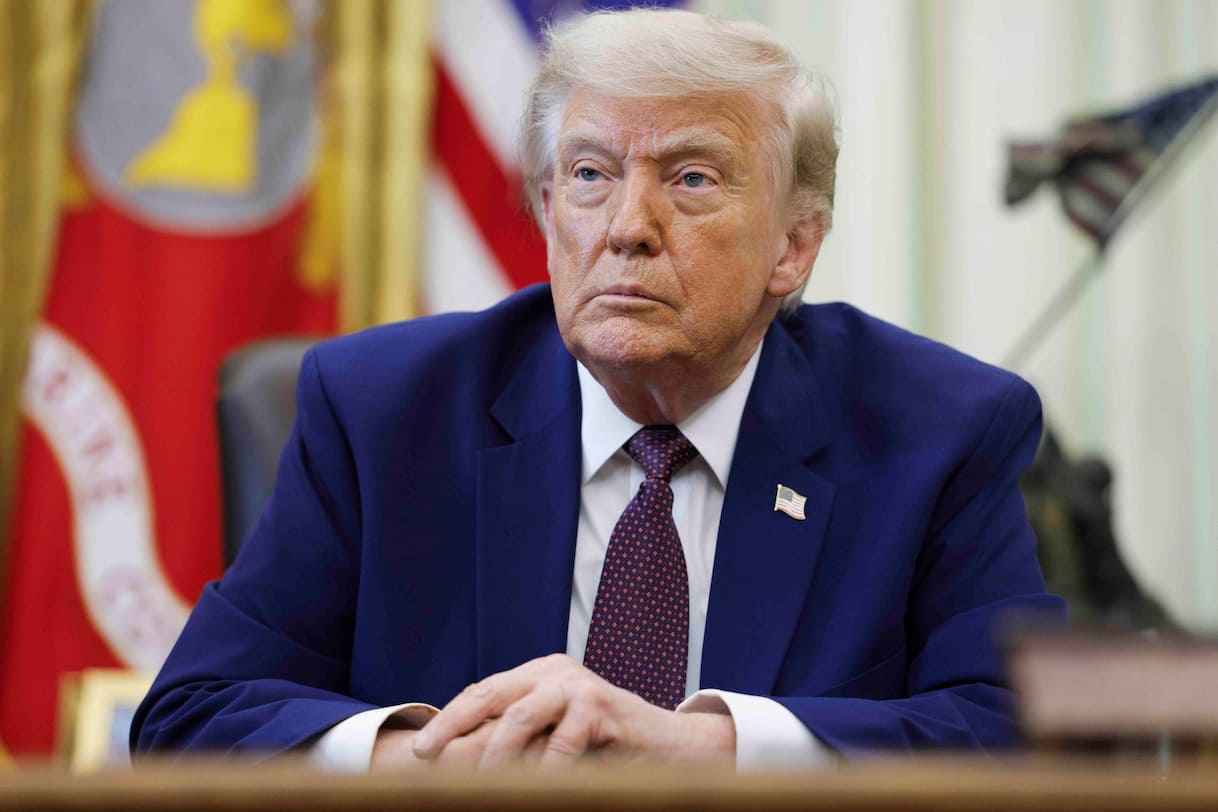
US House Passes Resolution to Withdraw Troops From Iran Amid Trump Criticism
The Eternal Tug-of-War: Presidential Power vs. Congressional Oversight
The recent friction between the US House of Representatives and the White House over military engagement in Iran isn’t just a political spat—it’s a symptom of a century-long struggle. At the heart of the conflict is the War Powers Resolution of 1973, a piece of legislation designed to check the executive branch’s ability to commit US forces to overseas conflicts without formal congressional approval.
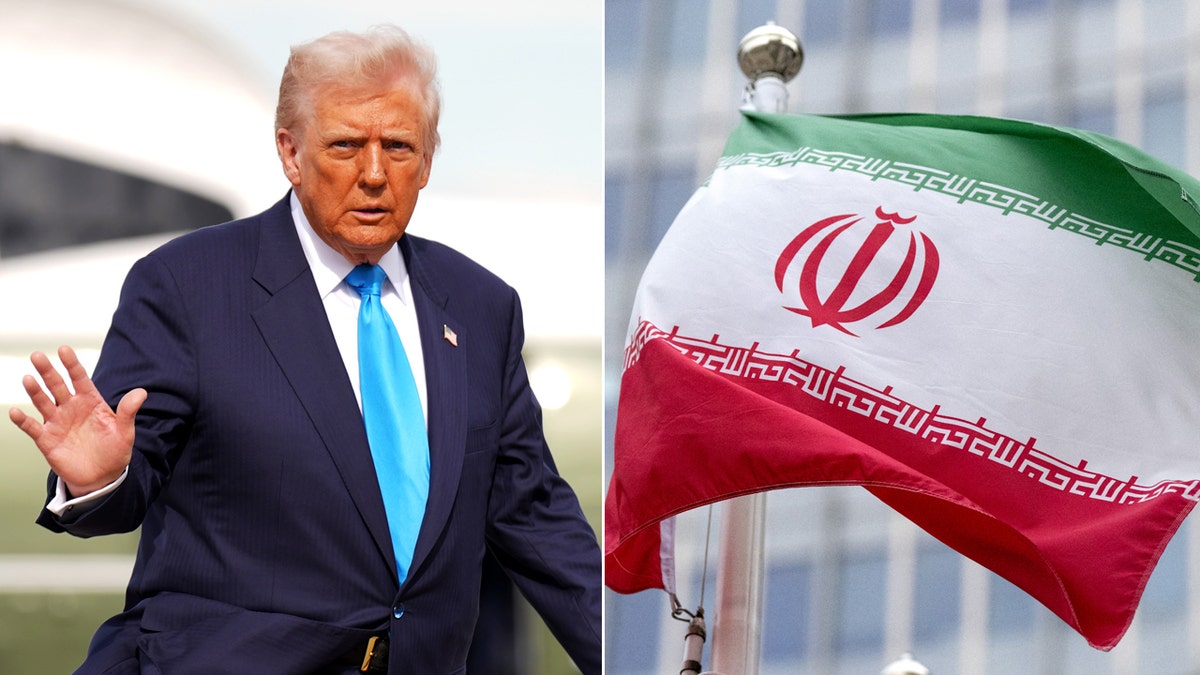
Historically, presidents from both parties have viewed these restrictions as “unconstitutional” intrusions into their role as Commander-in-Chief. When we see symbolic resolutions passing in the House, we are witnessing a “soft power” play. While a resolution may not immediately pull boots out of the sand, it signals a shift in public appetite and political will.
The Iran Cycle: Between ‘Maximum Pressure’ and Diplomatic Reset
US-Iran relations have long followed a predictable, yet volatile, cycle. We move from “Maximum Pressure”—characterized by heavy sanctions and military posturing—to periods of tentative diplomatic thawing. The current tension highlights a critical trend: the move toward transactional diplomacy.

Unlike the comprehensive frameworks of the past, modern geopolitical trends suggest a preference for “mini-deals.” These are short-term, specific agreements—such as prisoner swaps or temporary ceasefires—rather than sweeping peace treaties. This approach allows leaders to claim “victories” on social media while avoiding the political risk of a long-term commitment that could be overturned by the next administration.
For instance, looking at the Council on Foreign Relations data on Middle East stability, there is a clear correlation between domestic US election cycles and the volatility of Iranian sanctions. The “pendulum effect” makes it difficult for any long-term strategic stability to take root.
The Fragmentation of Party Loyalty
One of the most intriguing aspects of recent legislative votes is the emergence of “maverick” voting patterns. When members of a president’s own party join the opposition to limit war powers, it signals a deepening rift within the political establishment.
We are seeing a transition from party-line voting to ideological bloc voting. In the GOP, a growing wing of non-interventionists is clashing with the traditional neoconservative “hawk” mentality. This internal fragmentation means that future presidents may find it harder to maintain a unified front, regardless of their party’s majority in Congress.
Future Trends: The Digitalization of Diplomacy
The shift of political discourse to platforms like Truth Social and X (formerly Twitter) has fundamentally changed how foreign policy is conducted. We have entered the era of “Public-Square Diplomacy,” where negotiations are often signaled or undermined via social media posts before they ever reach the negotiating table.
This trend increases the risk of “miscalculation.” When a leader labels opponents as “unpatriotic” or “stupid” in a public forum, it creates a rigid environment where compromising—the essence of diplomacy—is viewed as a weakness or a betrayal. Moving forward, You can expect more “shadow diplomacy,” where the real work is done in secret to avoid the volatility of the digital spotlight.
For more insights on how global politics is evolving, check out our Guide to Modern Geopolitics.
Frequently Asked Questions
What is a symbolic resolution?
A symbolic resolution is a formal expression of the opinion or will of a legislative body. It does not have the force of law but serves as a powerful political statement to the executive branch and the public.
Can a President veto a resolution from the House?
If the resolution is a joint resolution that requires the approval of both the House and the Senate to become law, the President can indeed exercise a veto. However, a simple resolution (which only expresses an opinion) does not typically go to the President for a signature.
Why is the “War Powers Act” so controversial?
It creates a conflict between two constitutional interpretations: the President’s role as Commander-in-Chief versus Congress’s sole power to declare war. This ambiguity often leads to legal and political battles during active conflicts.
What’s your take on the balance of power?
Do you believe the President should have total control over military deployments, or should Congress have the final say? Let us know in the comments below or subscribe to our newsletter for weekly deep dives into the forces shaping our world.