

US Imposes New Sanctions on Cuban President and Castro Family
The humanitarian landscape in Cuba is facing a period of profound instability as United States sanctions tighten around the island’s leadership and economic infrastructure. With the nation of 9.6 million people struggling with food shortages and a lack of financial resources, the current geopolitical friction is increasingly impacting the daily lives of the population and the island’s ability to function.
Alejandro Castro Espin, the son of former leader Raul Castro, was a central figure in the clandestine negotiations that led to the restoration of diplomatic ties between the U.S. And Cuba in 2015.
Economic Strain and Humanitarian Implications
Recent U.S. Measures have targeted the “Grupo de Administración Empresarial” (GAE.SA), a conglomerate linked to the Cuban military. As international hotel groups withdraw from the management of nearly 100 tourist properties to avoid secondary sanctions, the island’s tourism-dependent economy faces significant contraction. The suspension of Visa and Mastercard payment systems further isolates the local economy, complicating the flow of resources.
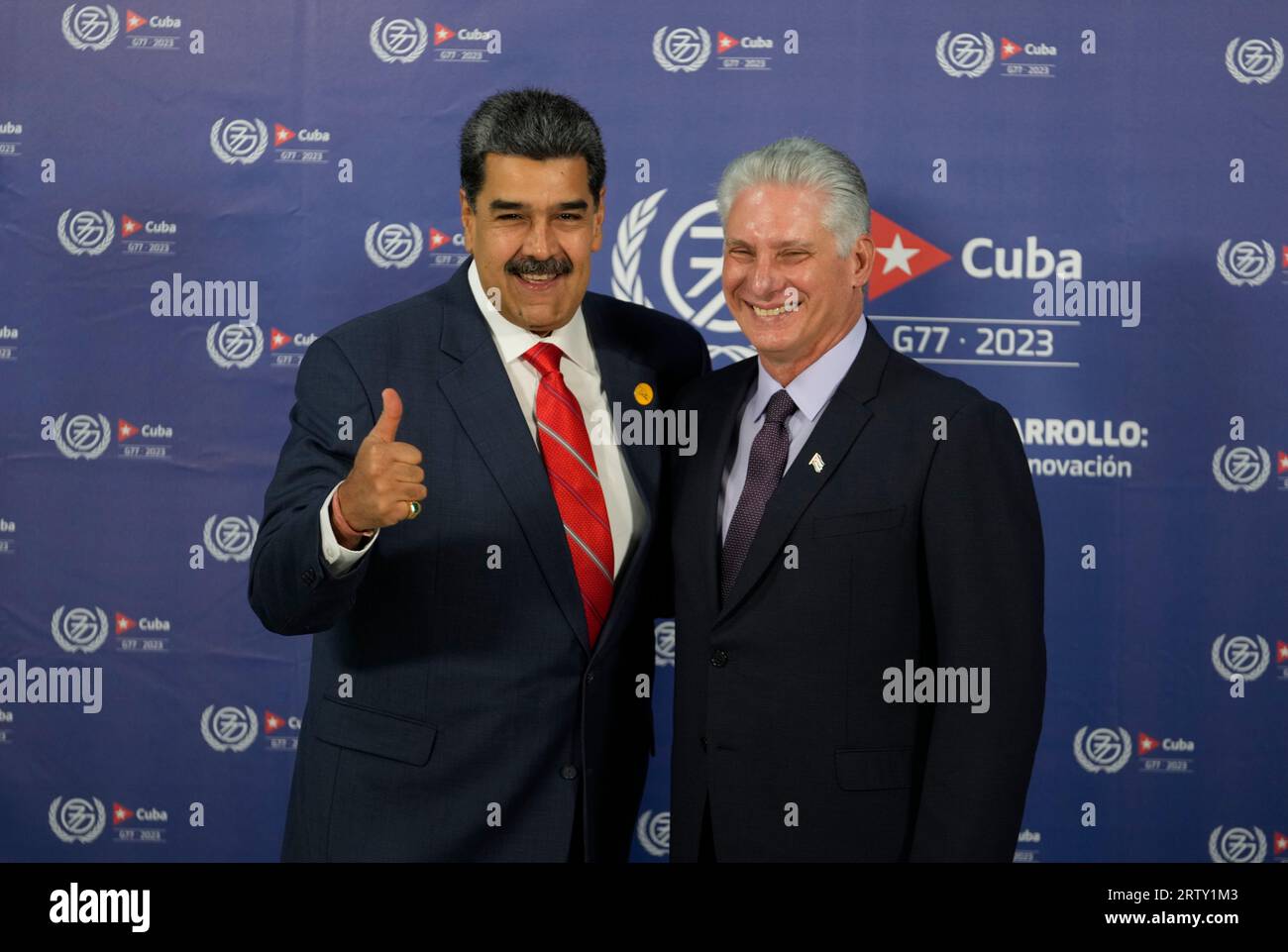
President Miguel Diaz-Canel has publicly characterized these measures as an effort to aggravate the conflict between the two nations. While the U.S. Government maintains that its goal is to foster a well-managed country capable of feeding its people, the current reality involves a de facto oil blockade and the freezing of assets for key officials, including the president and members of the Castro family.
The systemic dismantling of the military-linked economic apparatus, while framed as a pursuit of reform, carries the risk of a total collapse in essential public services. When a nation’s primary economic engine is targeted through comprehensive sanctions, the immediate consequence is often a sharp decline in the availability of basic necessities, placing the most vulnerable citizens in a precarious position.
Looking Ahead: Potential Scenarios
The situation in 2026 remains highly volatile. Analysts expect that if the current rate of foreign business withdrawal continues, the Cuban government may face even greater difficulty in sustaining domestic food supplies and infrastructure. As the U.S. Administration focuses its current diplomatic attention on the Middle East, the status of Cuba remains a secondary, yet unresolved, priority.
the ongoing, “difficult” diplomatic backchannels—involving figures like Raul Guillermo Rodriguez Castro—may serve as the only viable mechanism to prevent a total economic breakdown. However, until there is a shift in the current policy of maximum pressure, the island may continue to experience the severe socioeconomic strain noted by international observers.
Frequently Asked Questions
Who is currently subject to U.S. Sanctions in Cuba?
The list includes President Miguel Diaz-Canel, his wife Lis Cuesta, members of the Castro family, various government ministers, generals, and intelligence officials, as well as the Ministry of the Revolutionary Armed Forces.
Why are international hotel chains leaving Cuba?
These companies are withdrawing from the management of tourist establishments to avoid the risk of being targeted by U.S. Sanctions, as many of these properties are associated with the military-linked conglomerate Gaesa.
What is the stated U.S. Policy objective regarding Cuba?
The U.S. Government has stated that its sanctions are intended to dismantle the military-controlled economic cartel and to see Cuba become a well-managed country that can provide food and resources for its people.
Given the current economic challenges facing the island, what long-term impact do you believe these geopolitical tensions will have on the daily lives of the Cuban people?