US imposes sanctions on Iranian agency trying to control shipping in the Strait of Hormuz
The Strait of Hormuz: How Economic Warfare Is Redefining Global Energy Security
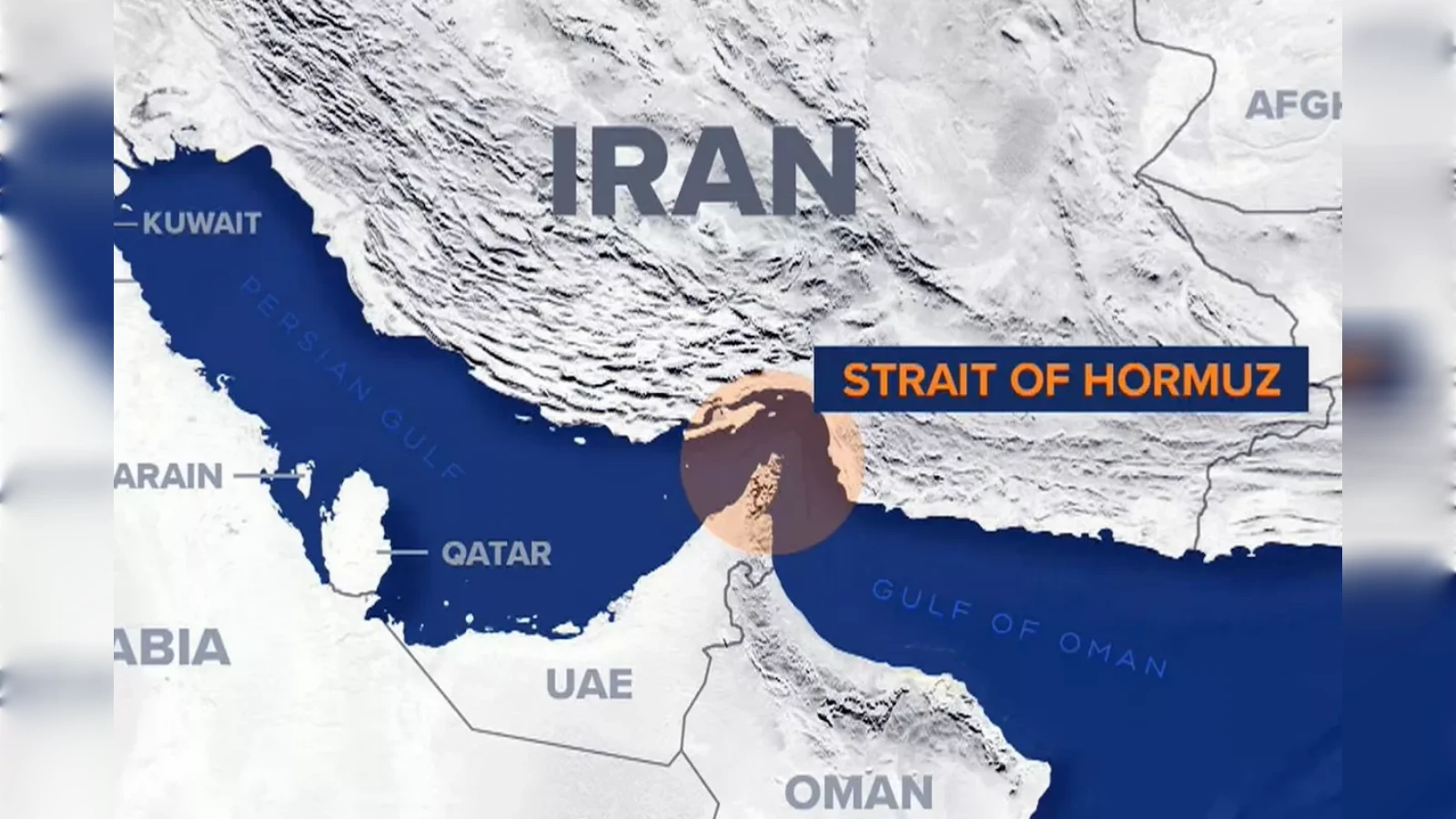
The global economy is currently holding its breath. As the Trump administration ramps up its “Economic Fury” campaign against Iran, the Strait of Hormuz—the world’s most critical maritime chokepoint—has become the central theatre of a high-stakes geopolitical standoff. With nearly 20% of the world’s oil and natural gas traversing these waters, the ripple effects are being felt from gas pumps in the Midwest to manufacturing plants in Southeast Asia.

The Rise of the “Transit Toll” Economy
Iran’s recent move to establish the Persian Gulf Strait Authority is more than just a bureaucratic maneuver; it is a calculated attempt to monetize a global necessity. By designating specific corridors and demanding tolls of up to $2 million per vessel, Tehran is effectively attempting to tax international trade to offset the impact of U.S. Sanctions.
Economic Pressure vs. Military Deterrence
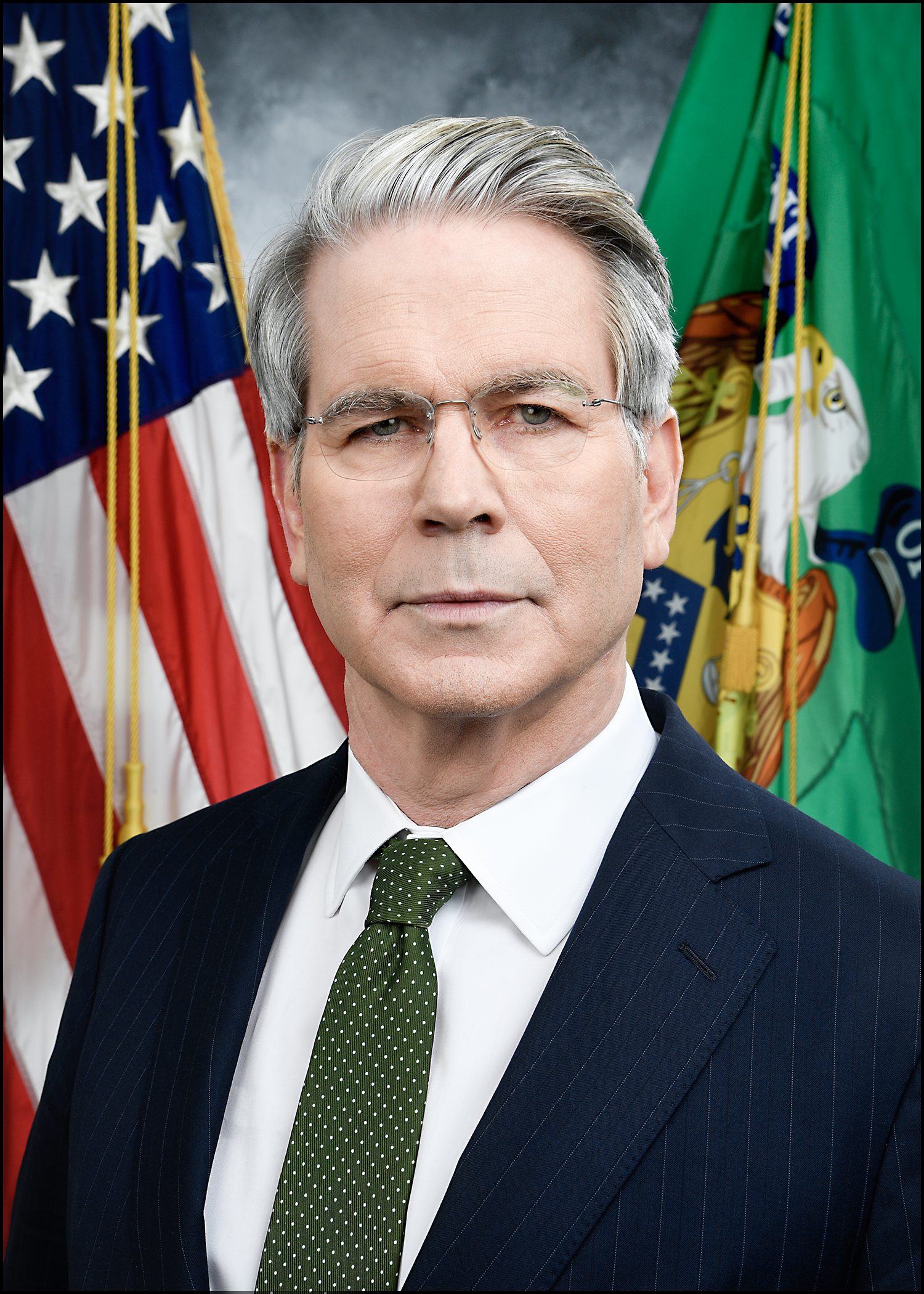
The U.S. Strategy of combining precise military strikes—targeting drone launch sites and mining vessels—with severe financial sanctions is designed to force a diplomatic breakthrough. Treasury Secretary Scott Bessent has made it clear that the objective is to drain the regime’s liquidity, leaving them with little choice but to return to the negotiating table.
However, the effectiveness of this “maximum pressure” approach remains a point of contention among energy analysts. While the blockade of Iranian ports has undoubtedly restricted the regime’s revenue, it has also tightened global supply, contributing to the energy inflation that currently challenges Western administrations ahead of key election cycles.
Future Trends: What to Expect in Global Energy Markets
As this standoff continues, energy markets are likely to undergo several structural shifts:
- Diversification of Supply Routes: Expect nations to fast-track pipeline infrastructure that bypasses the Strait of Hormuz entirely, reducing reliance on this volatile corridor.
- Increased Maritime Security Spending: Shipping conglomerates are likely to face higher insurance premiums, leading to a permanent increase in the cost of goods transported by sea.
- Strategic Energy Reserves: Governments will likely prioritize filling their Strategic Petroleum Reserves, viewing energy security as a core pillar of national defence.
Frequently Asked Questions
- Why is the Strait of Hormuz so important?
- It is the primary maritime route for oil and gas exports from Gulf producers like Saudi Arabia, Iraq, and the UAE, carrying roughly 20% of global daily petroleum consumption.
- How do sanctions affect global gas prices?
- Sanctions reduce the supply of oil reaching the global market. When supply drops while demand remains steady, prices rise, leading to higher costs at the gas pump for consumers worldwide.
- Is a diplomatic deal likely?
- While both Washington and Tehran have signaled a desire for a deal, the path remains fraught with military friction. Negotiators are currently balancing economic desperation against the political need for strength.
Stay Informed on Global Markets
The situation in the Middle East is evolving rapidly. Whether you are an investor, a policy enthusiast, or simply concerned about the cost of energy, staying updated is vital. Subscribe to our daily newsletter for expert analysis on the intersection of geopolitics and global trade, and join the conversation in the comments section below—how do you see this standoff affecting your local economy?