

US Intercepts Iranian Ballistic Missiles and Drones in Persian Gulf
The United States military has reported the interception of several Iranian ballistic missiles and drones launched toward the Strait of Hormuz and nations surrounding the Persian Gulf. This latest escalation highlights the fragile security environment in a region critical to global maritime trade.
Military Interceptions and Regional Impact
According to U.S. Reports, seven ballistic missiles were launched toward Kuwait and Bahrain. Initial data indicates that six of these missiles were neutralized, while a seventh failed to reach its intended target. The U.S. Military stated Notice currently no reports of American casualties.
While the Iranian Revolutionary Guard claims that American bases in Kuwait and Bahrain were hit, the U.S. Military has denied any damage to the Fifth Fleet headquarters in Bahrain. Meanwhile, the Kuwaiti state news agency KUNA confirmed that its air defenses intercepted missiles and drones.
Reports from the French news agency AFP indicate that explosions were heard in the capital of Bahrain, Manama, as well as in the vicinity of the Kuwait airport.
A Cycle of Retaliation
The Iranian Revolutionary Guard described these launches as retaliation for U.S. Strikes on Iranian positions. Shortly before the missile launches, the U.S. Military shot down four Iranian attack drones and targeted radar installations.
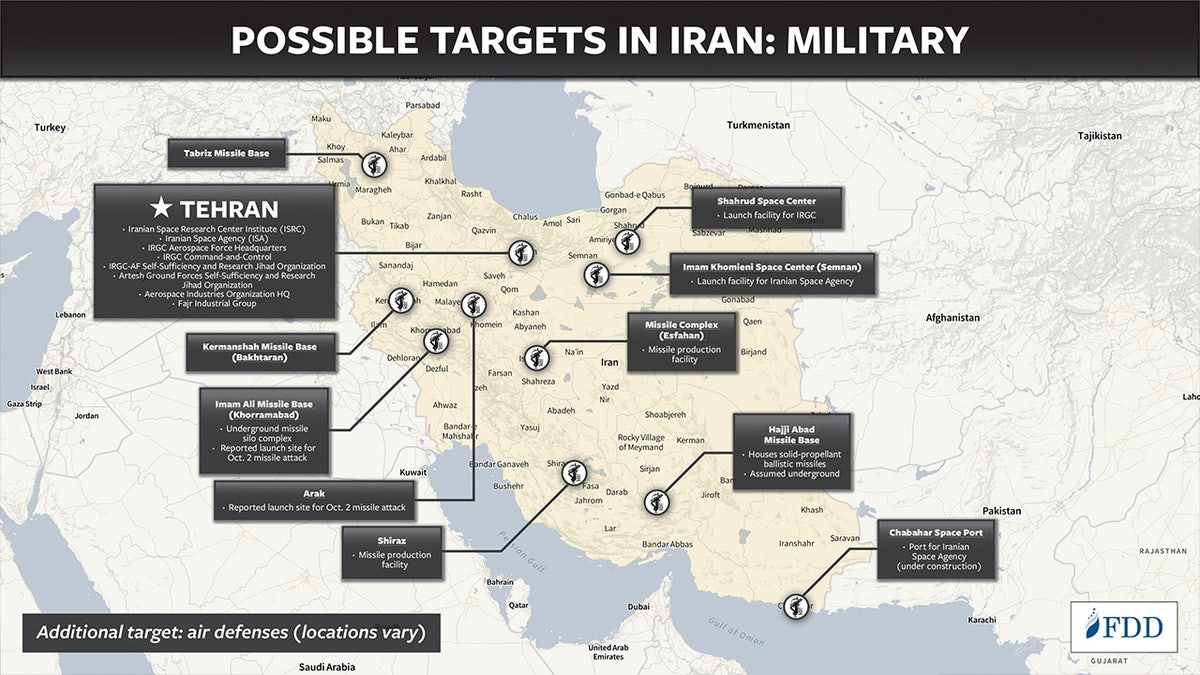
This pattern of engagement has persisted despite a ceasefire established in April. A comprehensive deal to end the war has not been reached, leading to continued mutual attacks. Last weekend, the U.S. Targeted Iranian command centers and radar sites in response to drone activity.
The volatility was further evidenced on Wednesday, when mutual attacks resulted in a strike on the international airport in Kuwait, which caused one death.
Diplomatic Stagnation and the Lebanon Factor
Negotiations between the U.S. And Iran appear to have stalled. Iran continues to demand that any peace agreement must include an end to the fighting in Lebanon, where conflict between Israel and Hezbollah persists.
The situation in Lebanon remains volatile. The Lebanese Ministry of Health reported that an Israeli airstrike on Friday killed five people in southern Lebanon, including one aid worker, and injured two others.
Although Israel and Lebanon reached a ceasefire this week, Hezbollah has rejected the deal, stating it does not guarantee an Israeli withdrawal from southern Lebanon.
Future Outlook
Given the current deadlock, further military exchanges could occur if diplomatic breakthroughs are not achieved. The situation may remain unstable as long as the requirements for a comprehensive peace deal—particularly regarding Lebanon—remain contested.
A possible next step could involve renewed attempts to decouple the U.S.-Iran ceasefire from the Israel-Hezbollah conflict, though this remains uncertain given Iran’s current demands.
Frequently Asked Questions
What was the outcome of the Iranian missile launches toward Kuwait and Bahrain?
The U.S. Military reports that of the seven ballistic missiles launched, six were neutralized and the seventh did not reach its target.
Why did the U.S. Target radar posts in Goruk and on Qeshm island?
The U.S. Military took this action to prevent further Iranian attacks and to protect ships navigating the Strait of Hormuz.
Why have peace negotiations between the U.S. And Iran stalled?
Negotiations are stalled because Iran insists that a final end to the war must include the cessation of fighting in Lebanon.
How do you think the instability in the Strait of Hormuz will affect global trade routes in the coming months?