

US-Iran Ceasefire: Hizbullah’s Victory in Lebanon’s Conflict
Lebanon’s Hizbullah movement called a recent U.S.-Iran agreement to halt military clashes in the Middle East a “great victory,” with leader Naim Kassem crediting Iran for embedding Lebanon’s security in the deal. The accord, mediated by Pakistan, prohibits military operations in conflict zones, including Lebanon, and reaffirms the country’s sovereignty. However, Israel and Hizbullah did not sign the agreement, raising questions about its enforceability.
The pact includes financial provisions for Iran, such as unfreezing assets and allowing oil sales, which analysts say could bolster Hizbullah’s funding. James M. Dorsey, a Southeast Asia-based Middle East analyst, noted the agreement appears to grant Iran most of its demands while preserving U.S. gains from prior actions against Iran. However, the deal’s success hinges on Israel’s compliance, a factor Dorsey called “the real test.”
Lebanon’s government has long sought to curb Hizbullah’s influence, but the agreement risks empowering the group. Karim Chebaklo, a Lebanese political analyst, said improved Iranian finances could complicate Lebanon’s efforts to disarm Hizbullah, which has a significant military wing. Meanwhile, Israel has resisted pressures to withdraw from southern Lebanon, where it controls 600 square kilometers, calling the area a “security buffer.”
Why This Matters
The agreement’s focus on Lebanon’s sovereignty contrasts with the country’s longstanding power struggles. Hizbullah, founded in 1982 with Iranian support, has become a dominant political and military force, often referred to as a “state within a state.” Its role in regional conflicts, including recent rocket attacks on Israel, has made it a key player in Middle East dynamics. The deal’s outcome could reshape Lebanon’s internal balance of power and its relationships with regional actors.
What May Happen Next
Analysts suggest the agreement could create a temporary ceasefire, but enforcement remains uncertain. If Israel withdraws from southern Lebanon, Hizbullah might claim a political victory, potentially strengthening its position. However, without direct participation from Israel or Hizbullah, the deal’s long-term viability is unclear. Lebanese officials face challenges in balancing national interests with external pressures, while Hizbullah’s influence could persist despite efforts to limit it.
Frequently Asked Questions
What does the U.S.-Iran agreement entail? The pact bans military operations in conflict zones, including Lebanon, and includes financial provisions for Iran, such as unfreezing assets and allowing oil sales.
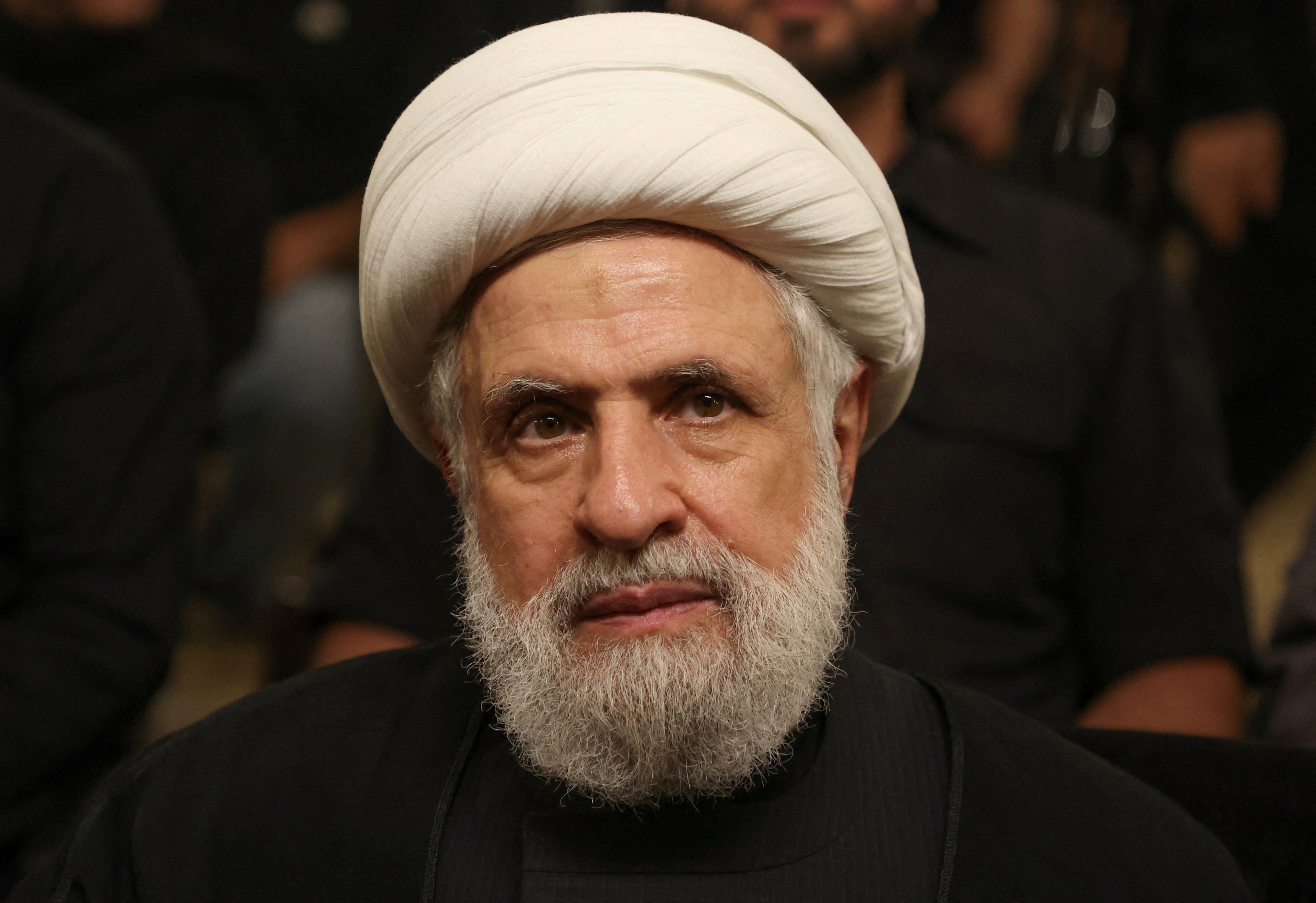
Why is Hizbullah considered a “state within a state”? The group controls a significant military force and political influence in Lebanon, particularly in southern regions, where it has shaped local governance and security for decades.
What role does Pakistan play in the agreement? Pakistan acted as a mediator in the U.S.-Iran deal, which also reaffirmed Lebanon’s sovereignty and called for an end to hostilities.
Could the agreement alter Lebanon’s political landscape, or will existing power dynamics persist?