

US-Iran deal promises end to war but how it will work remains unclear
A U.S.-Iran interim agreement to end hostilities in the Middle East faces significant implementation hurdles, with officials warning that global energy markets and shipping lanes may take weeks to stabilize. The framework, set for a formal signing in Switzerland, extends a tenuous ceasefire for 60 days and seeks to reopen the Strait of Hormuz, though critical details regarding Iran’s nuclear program and regional proxy support remain unresolved, according to reporting by Reuters.
Why is the Strait of Hormuz recovery expected to take weeks?
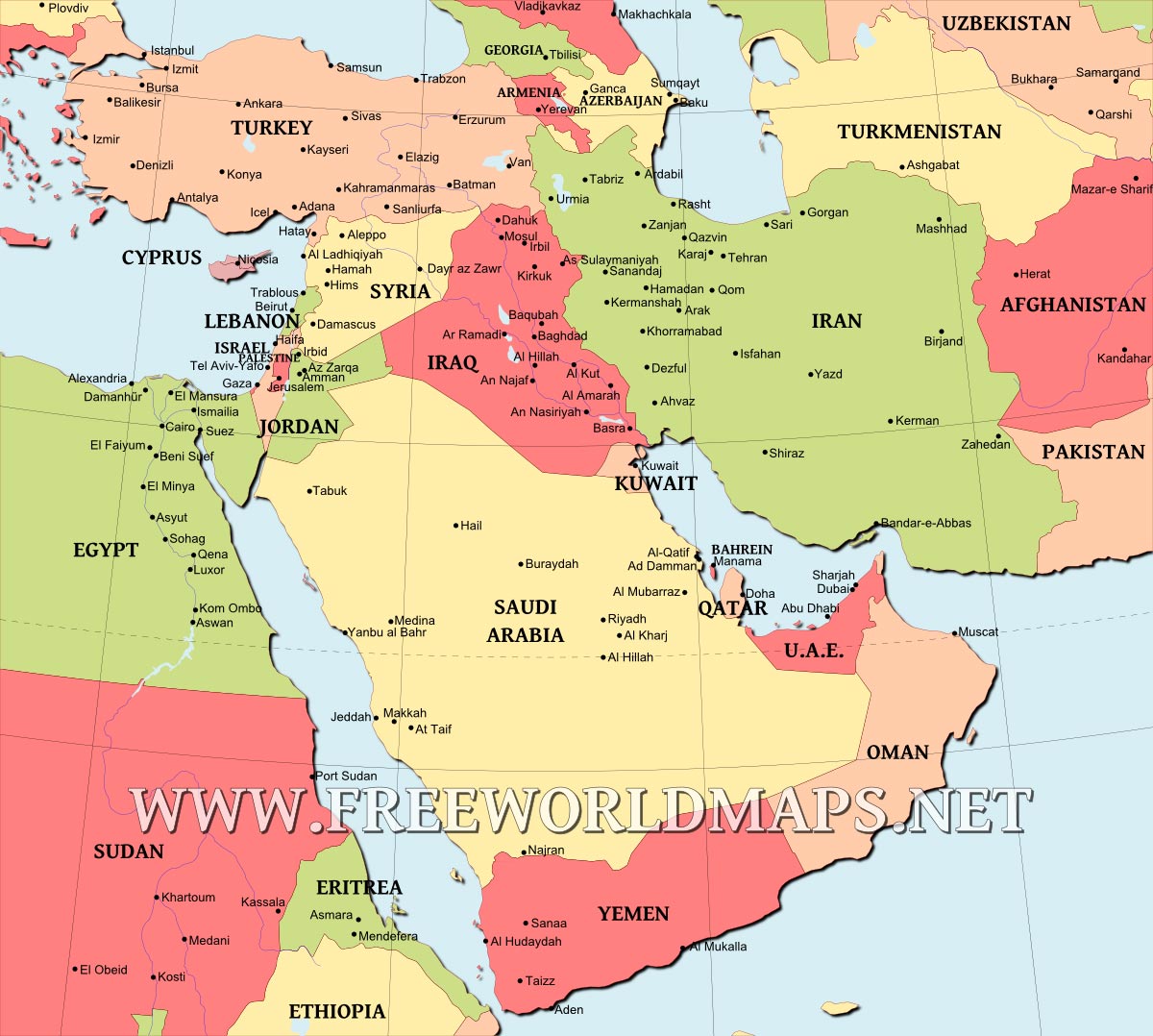
While Iranian state television reported efforts to lift the maritime blockade, physical and security challenges in the waterway persist. An official with the Greek maritime security firm Diaplous stated that a thorough minesweeping operation in the narrow passage between Iran and Oman would likely take “weeks to months” to complete. Although U.S. President Donald Trump indicated that tankers have begun moving through the strait, shipping industry experts suggest that the return to pre-conflict traffic levels will be gradual. The U.S. military has been facilitating secretive ship-to-ship oil transfers to maintain flow, but the transition to standard, toll-free operations remains subject to ongoing coordination with Iran’s Revolutionary Guards.

The Strait of Hormuz is a critical global chokepoint that typically carries approximately 20% of the world’s daily oil and liquefied natural gas trade.
How does the interim deal address Iran’s nuclear program?
The current framework agreement explicitly defers discussions on Iran’s nuclear capabilities to a second phase of negotiations. While President Trump described the deal as “a wall to a nuclear weapon” during the G7 summit, Iranian Foreign Minister Abbas Araqchi noted that formal talks on the enrichment program are scheduled to begin in Switzerland following the initial signing. U.S. officials, speaking on condition of anonymity, stated that the eventual lifting of sanctions and access to a proposed $300 billion reconstruction fund are contingent on Iran providing verifiable guarantees that it will not pursue nuclear weaponry and will cease support for regional militias, including Hezbollah.
What are the primary points of contention regarding Lebanon?
The conflict in Lebanon remains a major friction point that is not fully resolved by the interim accord. Iranian officials have publicly stated that the deal requires a full cessation of hostilities in the region. However, Israeli Prime Minister Benjamin Netanyahu has maintained that Israel will keep its military forces in southern Lebanon, asserting a right to respond to Hezbollah attacks. A U.S. official clarified that an Israeli withdrawal from Lebanon is not a formal condition of the current deal, highlighting a disconnect between the peace framework and the operational reality on the ground, where the conflict has already displaced 1.2 million people.
Market impacts and the cost of the conflict
Energy markets have reacted to the deal with volatility. Oil prices dropped more than 2% to new three-month lows on Tuesday, following a 5% decline the previous day, according to market data cited by Reuters. Despite the positive market sentiment, industry officials caution that Middle East oil and gas output will require months to reach full capacity. The human cost of the conflict has been severe, with at least 7,000 casualties reported across Iran and Lebanon. The economic success of the agreement may determine the internal political stability of Iran, as the government faces potential domestic pressure if the removal of sanctions does not provide immediate relief to the civilian population.
Frequently Asked Questions
- When will the formal agreement be signed?
The framework deal is scheduled to be formally signed in Switzerland this Friday, with Vice President JD Vance and Iranian negotiator Mohammad Baqer Qalibaf expected to attend. - Are sanctions being lifted immediately?
No. U.S. officials indicate that the lifting of sanctions and the creation of a reconstruction fund are linked to future compliance regarding nuclear and militia-related demands. - Is Israel a party to these negotiations?
No. Israel has not directly participated in the peace talks between the United States and Iran.
The situation in the Middle East remains fluid. Subscribe to our daily newsletter for real-time updates on the implementation of the Iran deal and its impact on global energy prices. Click here to subscribe.