

US-Iran deal to end war expected ‘within 24 hours
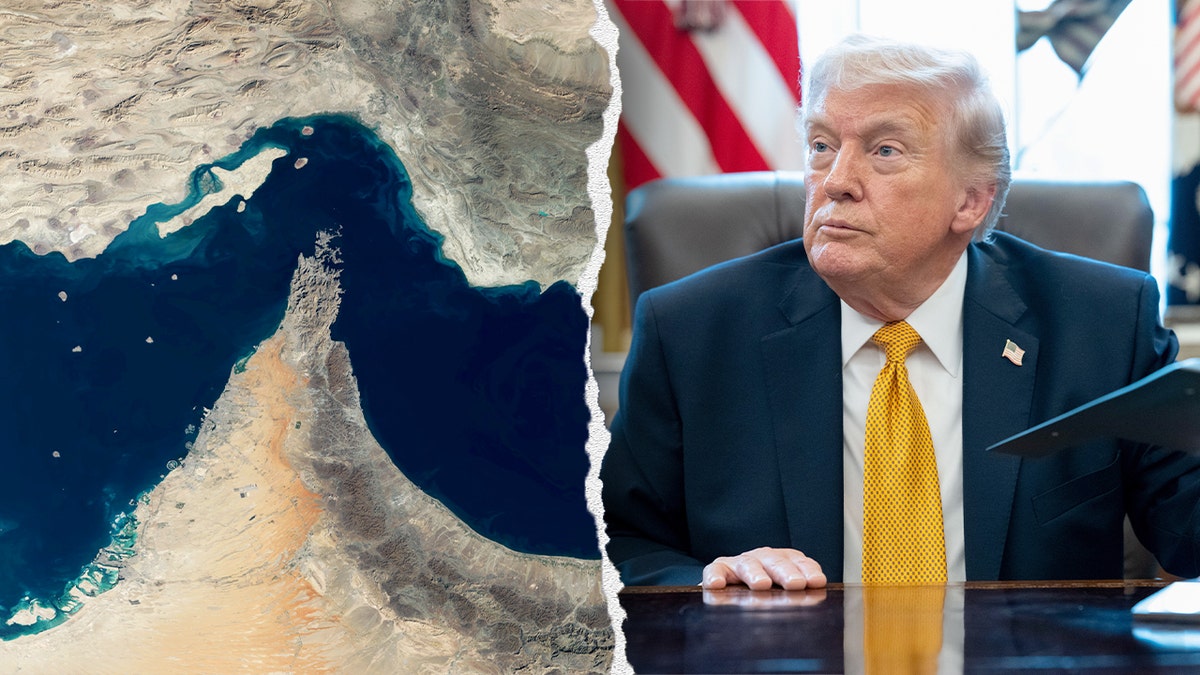
The U.S. and Iran are negotiating a deal to end the war that began Feb. 28 and reopen the Strait of Hormuz. While President Donald Trump stated a signing was scheduled for Sunday, Iran’s foreign ministry spokesperson denied a Sunday signing, though Pakistani PM Shehbaz Sharif reports a deal is closer than ever.
When will the U.S.-Iran deal be signed?
There’s a discrepancy between Washington and Tehran on the exact timing. President Donald Trump said the deal was “scheduled to get signed tomorrow,” with the Strait of Hormuz opening immediately. However, a spokesperson for Iran’s foreign ministry stated no signing would occur Sunday, though they left the door open for the following days.
Pakistani PM Shehbaz Sharif provided a middle ground Saturday, stating a deal is closer than ever and expected to be finalized within 24 hours. Sharif noted that Pakistan is preparing for an electronic signing, which would be followed by technical-level talks next week.
How will the deal handle Iran’s nuclear program?
The agreement establishes a 60-day window to finalize terms regarding Iran’s nuclear capabilities. Iranian Foreign Minister Abbas Araghchi said Friday that parties could decide to extend this period if needed.
A senior U.S. administration official told reporters Friday that the deal begins the process of destroying or removing Tehran’s highly enriched uranium. This 60-day period will be used to hammer out the technical details of that removal. The official didn’t specify who would manage the process, noting the uranium is believed to be under three nuclear sites damaged by U.S. strikes last year.
The U.S. and Israel cited the fear of an Iranian atomic weapon as a primary reason for the Feb. 28 war. Tehran maintains its nuclear efforts are for peaceful purposes.
Will the Strait of Hormuz reopen immediately?
Yes, according to President Trump, the strait would open immediately upon signing. However, a point of contention remains regarding payment. Iranian Foreign Minister Araghchi stated Iran wants a deal allowing Tehran to charge ships “for services rendered” during transit.

The U.S. and other nations have previously stated that Iran’s toll system violates international law. This dispute matters because the closure of the strait has already rattled global energy markets and disrupted shipments from the Persian Gulf since the conflict began.
What happens to Iranian sanctions and assets?
Three regional officials, speaking on condition of anonymity, expect the deal to include a phased lifting of sanctions on Iran. The agreement is also expected to facilitate the release of frozen Iranian assets.
These officials stated that a formal signing ceremony will occur in the coming days once officials in Washington and Tehran give final approval. This follows a fragile ceasefire that has been in place since April 7.
Does the deal include a ceasefire in Lebanon?
The status of Lebanon remains a major sticking point. Iran has insisted that any comprehensive deal must include a ceasefire in Lebanon, where Israel is fighting the Iranian-backed Hezbollah militant group.
Israel has shown resistance to these terms. Israeli Defence Minister Israel Katz warned Friday that Israel could still act independently toward Iran. Katz stated Israel will not withdraw from occupied zones in Lebanon, Syria, and Gaza, nor will it leave northern refugee camps in the Israeli-occupied West Bank.
Fighting continued in southern Lebanon as of Saturday, suggesting that while a U.S.-Iran deal may be near, a broader regional peace remains elusive.
Quick Comparison: Conflicting Timelines
| Source | Claimed Signing Date | Status of Strait |
|---|---|---|
| Donald Trump | Sunday | Open immediately |
| Iran Foreign Ministry | Not Sunday | Terms pending (Tolls) |
| Shehbaz Sharif | Within 24 hours | Not specified |
Frequently Asked Questions
What is the main goal of the U.S.-Iran deal?
The deal aims to end the war that began Feb. 28, reopen the Strait of Hormuz for global shipping, and create a process to remove Iran’s highly enriched uranium.
Why is the Strait of Hormuz so important?
It is a critical lane for oil and natural gas. Closures lead to higher global fuel prices and increased costs for agricultural products like fertilizer.
Will Israel withdraw from Lebanon as part of this?
According to Israeli Defence Minister Israel Katz, Israel will not pull out of the zones it occupies in Lebanon, Syria, and Gaza.
What do you think about the proposed toll system for the Strait of Hormuz? Does it violate international law or is it a fair service fee? Let us know in the comments below or subscribe to our newsletter for real-time updates on Middle East diplomacy.