

US-Iran Peace Agreement Expected Within 24 Hours
The United States and Iran are nearing a potential peace agreement, with Pakistani Prime Minister Shehbaz Sharif announcing on X that finalization of the deal is expected within 24 hours. The memorandum of understanding, negotiated in Islamabad, will be signed electronically, according to reports from Al Arabiya. While diplomatic efforts advance, the U.S. Central Command (Centcom) reported that American forces recently intercepted several Iranian attack drones targeting commercial vessels in the Strait of Hormuz.
Status of the Islamabad Memorandum
Negotiations for the memorandum have shifted significantly in recent hours. According to Al Arabiya, high-level sources confirmed that the agreement will be signed remotely, leading to the postponement of planned meetings in Geneva. Technical discussions are now expected to take place in Islamabad to address remaining operational details. The Iranian Foreign Ministry, through Minister Abbas Araghchi, expressed confidence that the process will conclude in the coming days, though the exact terms of the memorandum remain subject to ongoing clarification.

Did You Know? The current push for a peace agreement follows a period of intense volatility, including a 12-day conflict between Israel and Iran that began on June 13, 2025, which saw significant strikes on Iranian nuclear and missile infrastructure.
Military and Strategic Tensions
Despite the diplomatic progress, the security situation in the region remains precarious. Centcom reported that U.S. forces successfully neutralized multiple Iranian drones, ensuring that commercial traffic through the Strait of Hormuz remains unobstructed. Concurrently, CNN reports that Iran has taken steps to secure its nuclear assets by collapsing tunnel entrances and deploying mines at storage sites. These fortifications have made the potential recovery of approximately half a ton of highly enriched uranium a complex and high-risk undertaking, a factor that reportedly influenced President Donald Trump’s decision to pause plans for a ground operation to seize the material.
Domestic and Regional Implications
The prospect of a deal has drawn mixed reactions from political and economic stakeholders. In the United States, Republican lawmakers, particularly those facing competitive midterm elections, have urged the administration to resolve the conflict before the Labour Day holiday in September to mitigate concerns over energy prices and economic stability. Meanwhile, Iran is preparing for the funeral of Supreme Leader Ali Khamenei, who was killed in a joint U.S.-Israeli raid on February 28. Commemorations are scheduled to begin on July 4 at the Grande Mosalla in Tehran, with a final burial planned for July 9 in Mashad.
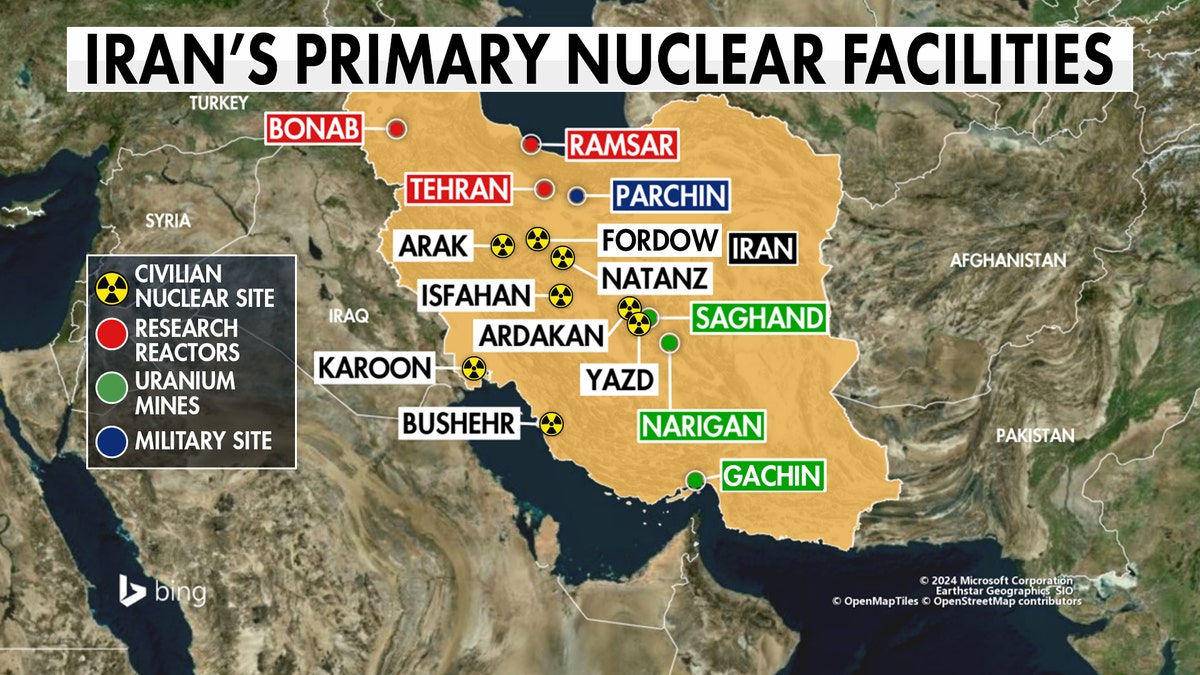
Expert Insight: The divergence between the diplomatic track and the ongoing military posturing suggests that even if a memorandum is signed, the path to a durable peace remains fraught with technical and political hurdles. The U.S. administration’s hesitation regarding a ground incursion, contrasted with Iran’s hardening of its nuclear storage, highlights the narrow window for a negotiated settlement versus a return to escalation.
Frequently Asked Questions
When will the peace agreement be signed?
Prime Minister Shehbaz Sharif stated that finalization is anticipated within 24 hours, with a digital signing to follow immediately.
What is happening with the Geneva talks?
The meetings previously scheduled for Geneva have been postponed indefinitely, with future technical discussions now expected to occur in Islamabad.
Has the conflict in the Strait of Hormuz ceased?
While negotiations are ongoing, the U.S. Central Command reported that American forces were required to intercept several Iranian drones targeting commercial ships in the Strait as recently as the last few hours.
How will the international community verify the terms of an agreement signed only through digital channels?