

US military says it has lifted naval blockade of Iranian ports | US-Israel war on Iran News
The United States military lifted its naval blockade of Iranian ports on June 18, 2026, according to US Central Command (CENTCOM). The move follows an agreement to suspend military operations for negotiations, allowing 12.5 million barrels of oil to pass through the Strait of Hormuz on June 17, per Vice President JD Vance.
How will the Strait of Hormuz handle ship traffic moving forward?
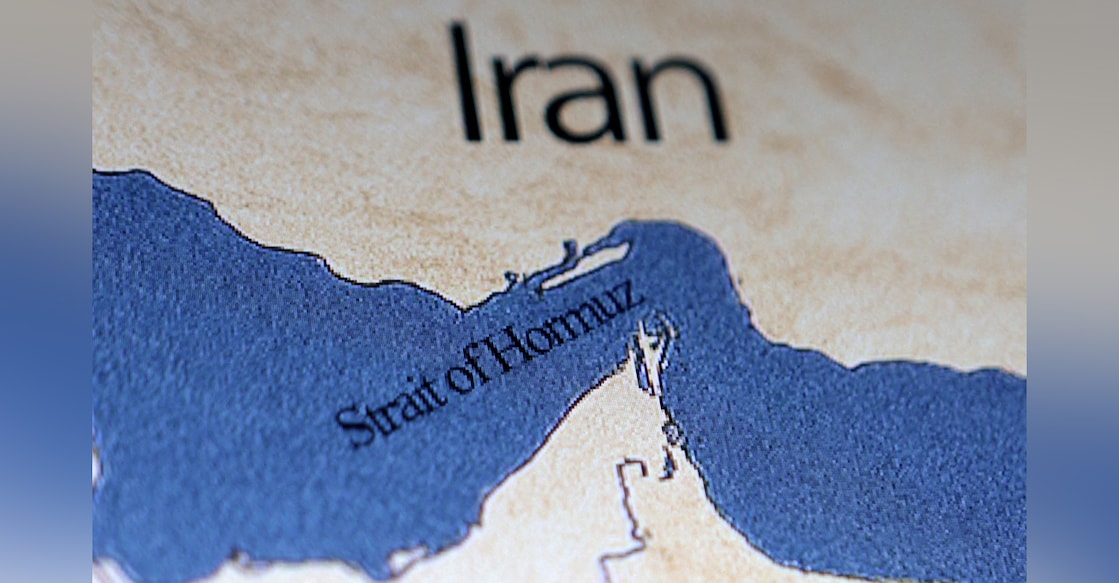
Traffic through the Strait of Hormuz is transitioning from a military blockade to a regulated bureaucratic process. Iran’s Supreme National Security Council stated on June 18 that the Persian Gulf Strait Authority will now facilitate the authorization of ships passing through the waterway.
Ships must now submit passage requests to a newly created government body. While Iran has waived all fees for a 60-day negotiation window, the Supreme National Security Council indicated that the country plans to charge usage fees once this period ends.
To ensure safe transit, Iranian authorities said they are taking measures to clear mines previously laid in the waterway during the US-Israel war on Iran. This follows a period where traffic slowed to a complete halt, which disrupted global energy markets.
What happens to US military presence in the region?
US forces are not leaving the Middle East. CENTCOM confirmed that while blockade enforcement efforts have ceased, American naval ships will remain in the general area. According to the command, this presence is necessary to ensure all aspects of the ceasefire agreement are obeyed and remain in full effect.

This strategy mirrors the “negotiating posture” described by Vice President JD Vance. During a White House briefing on June 18, Vance defended the current approach as an “excellent thing for the American people,” despite facing criticism from some domestic Republicans regarding concessions made to Iran.
Which obstacles could collapse the US-Iran agreement?
Several geopolitical friction points threaten the stability of the current ceasefire. According to report details, the agreement remains fragile due to three primary issues:
- Regional Occupation: Israel continues its occupation of southern Lebanon.
- Nuclear Ambitions: The status and future of Iran’s nuclear programme remain unresolved.
- Maritime Tolls: The transition from the current 60-day fee-free window to Iran’s planned usage fees for the Strait of Hormuz.
The Trump administration is attempting to stabilize these tensions through a memorandum of understanding. This document outlines potential economic relief intended to help Iran recover from the war, a move the administration argues is a strategic necessity for long-term stability.
Comparison: Oil Flow Shifts
The impact of the blockade lift was immediate. During the height of the US-Israel war on Iran, maritime traffic through the strait essentially stopped. By June 17, 2026, the US Navy permitted “north of a dozen ships” to pass, resulting in 12.5 million barrels of oil moving through the waterway in a single day, according to VP JD Vance.
Frequently Asked Questions
Are US ships still blocking Iranian ports?
No. CENTCOM stated on June 18 that all blockade enforcement efforts have ceased and US forces are no longer impeding the transit of vessels to or from Iranian ports.
Is Iran charging ships to use the Strait of Hormuz?
Not currently. Iran’s state TV reported that no fees will be collected during the 60-day negotiation period, though the government intends to implement fees in the future.
Why are US forces staying in the area?
According to CENTCOM, US naval ships remain in the region to ensure compliance with the agreement between the US and Iran.
What are your thoughts on the US-Iran memorandum of understanding? Do you think economic relief will lead to a permanent peace? Let us know in the comments below or subscribe to our newsletter for more geopolitical updates.