
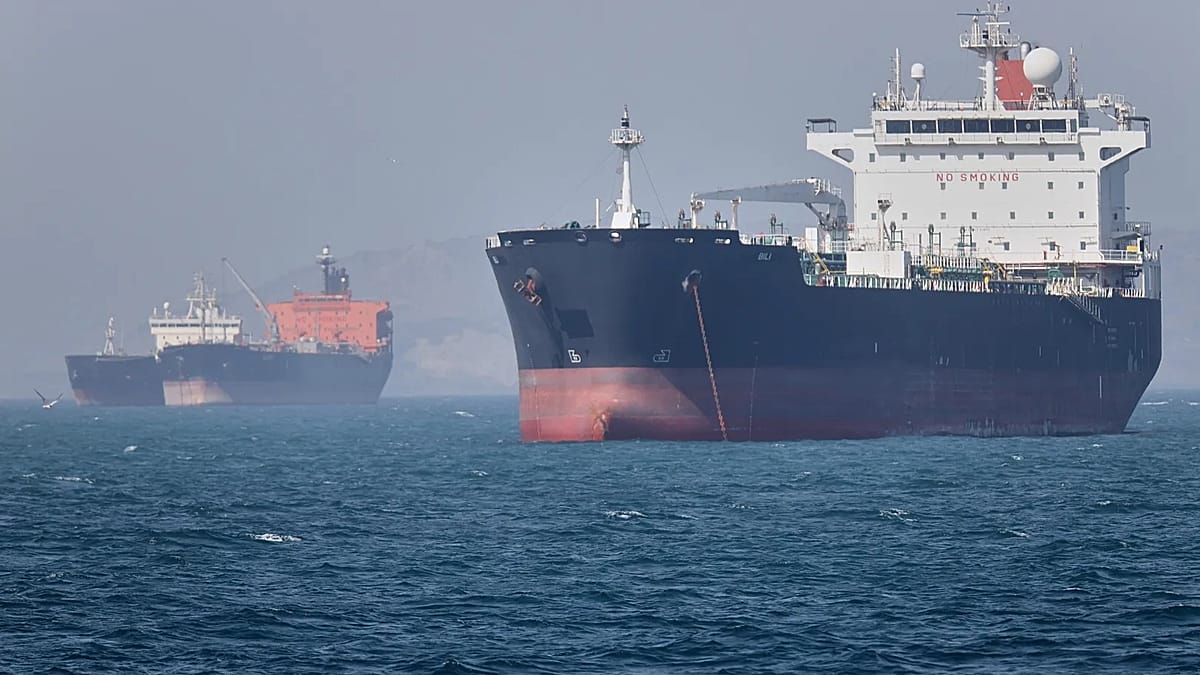
US military says it struck a commercial ship trying to breach blockade and reach Iran
The recent strike by U.S. Forces against the M/V Lian Star in the Gulf of Oman—marking the sixth such intervention—signals a volatile new era for global maritime logistics. As the standoff over the Strait of Hormuz intensifies, the intersection of geopolitical brinkmanship and international trade has created a “new normal” that investors and supply chain managers must navigate with extreme caution.
The New Reality of Maritime Blockades
The U.S. Military’s decision to utilize AGM-114 Hellfire missiles to disable non-compliant vessels highlights a shift in naval engagement rules. By targeting engine rooms rather than sinking vessels, the U.S. Is attempting to enforce its blockade while minimizing the risk of total environmental disaster or loss of life. However, this surgical approach does little to mitigate the systemic risk to global shipping.
With 20% of the world’s oil and natural gas supplies transiting the Strait of Hormuz, the “toll-gate” economy imposed by regional actors has introduced unprecedented overhead costs. Shipping companies are now forced to factor in not just fuel and insurance premiums, but potential “transit fees” and the physical risk of military interception.
The Strait of Hormuz is widely considered the world’s most important oil transit chokepoint. Even a temporary closure can trigger immediate, sharp spikes in global energy prices, affecting everything from manufacturing costs to consumer food inflation.
Strategic Implications for Global Supply Chains
The current impasse is forcing a rethink of energy security. As Washington continues its efforts to weaken Iran’s economic leverage, the reliance on the Strait of Hormuz is becoming a strategic liability for multinational corporations.

- Diversification of Routes: Expect to see increased investment in pipeline infrastructure that bypasses the Persian Gulf entirely, reducing dependency on vulnerable maritime corridors.
- Insurance Premiums: The “war risk” surcharge for vessels operating in the region has reached historic highs, fundamentally altering the profitability of trade routes through the Gulf of Oman.
- Diplomatic Volatility: The ongoing ceasefire, while fragile, provides a brief window for energy markets to stabilize, though any breakdown in negotiations between the U.S. And Tehran could lead to a total suspension of traffic.
The Shift Toward “Just-in-Case” Logistics
For years, global trade operated on a “just-in-time” model. However, the instability in the Middle East is pushing companies toward a “just-in-case” strategy. This involves stockpiling critical raw materials and fertilizers further from the source, effectively creating a buffer against sudden closures of key maritime arteries.
Supply chain managers should prioritize real-time maritime tracking data and geopolitical risk intelligence services. Relying on traditional shipping schedules is no longer sufficient; active monitoring of CENTCOM updates and regional military broadcasts is now a baseline requirement for risk mitigation.
Frequently Asked Questions (FAQ)
- Why is the U.S. Blocking ships from reaching Iranian ports?
- The blockade is part of a broader strategy to limit Iran’s revenue streams and curtail its nuclear programme by preventing the export and import of goods that support its economy and military infrastructure.
- What is the risk to global shipping if the blockade continues?
- Continued instability risks driving up the cost of energy, food, and fertilizer globally. It also creates a “chilled effect” on trade, where shipping companies may avoid the region entirely, leading to supply shortages.
- Is there a diplomatic solution on the horizon?
- While a 60-day ceasefire extension is currently under discussion, the situation remains fluid. Any resolution depends on high-level negotiations regarding nuclear concessions and the legal status of the Strait of Hormuz.
Looking Ahead: The Future of Maritime Trade
The outcome of the current standoff will likely define maritime law for the next decade. If the U.S. Succeeds in maintaining its blockade, we may see a permanent shift in how international waters are policed. Conversely, if Iran successfully asserts its right to levy tolls, the precedent for “sovereign control” over international transit lanes could lead to similar challenges in other global chokepoints.

For now, the mantra for businesses remains: Prepare for volatility, diversify your supply chain, and stay informed.
What are your thoughts on the shifting dynamics in the Strait of Hormuz? Are you seeing the impact in your industry? Share your insights in the comments section below or subscribe to our weekly newsletter for the latest in geopolitical and trade intelligence.