
US Military Strikes Iranian Facilities Amid Escalating Tensions in Strait of Hormuz
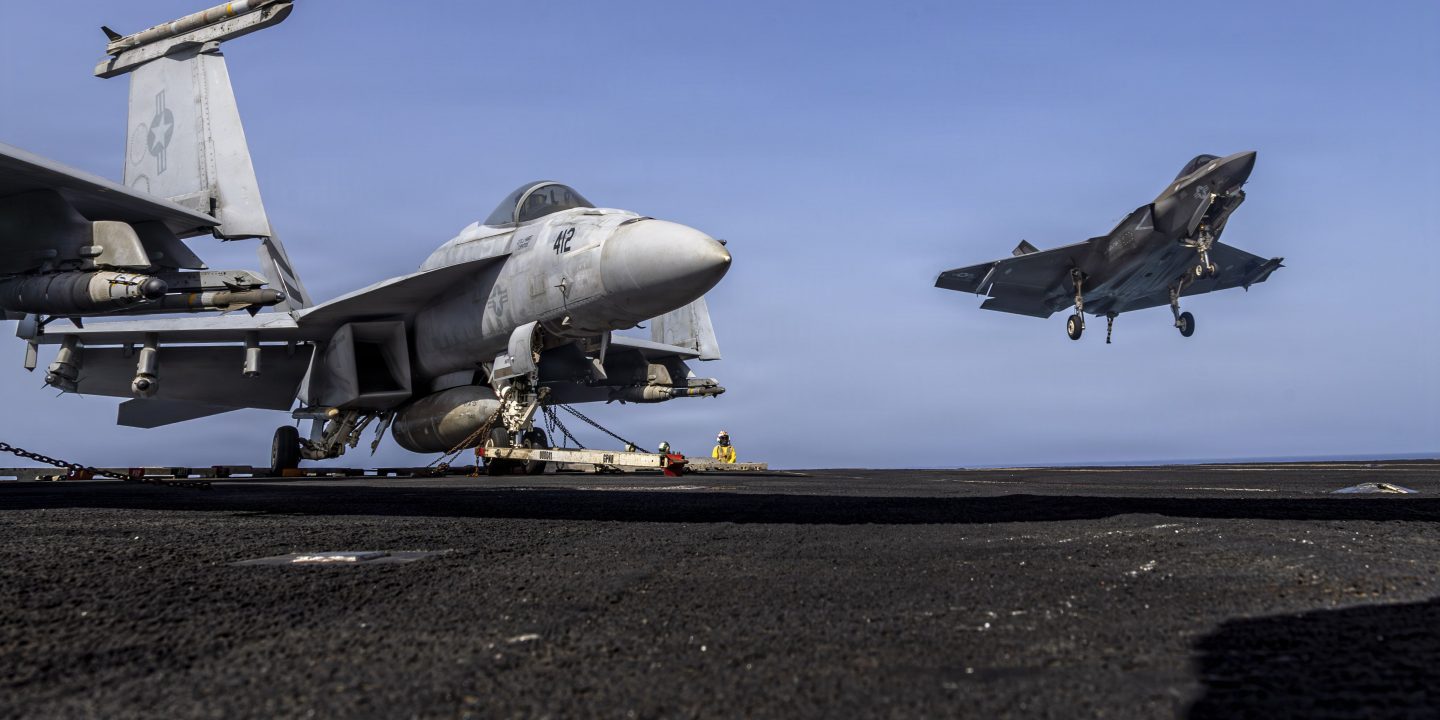
Recent military engagements in the Persian Gulf have intensified, as U.S. Forces conducted strikes against a military ground control station on the island of Qeshm. This operation, described by Washington as a measure of self-defense, was initiated following a series of missile and drone attacks targeting the region.
Operational Developments and Escalation
According to the U.S. Central Command (CENTCOM), American forces successfully intercepted several incoming missiles and drones during the exchange. Three kamikaze-style drones were neutralized while approaching vessels in regional waters. While the U.S. Reported that missiles fired toward Kuwait and Bahrain failed to reach their targets—with some disintegrating mid-flight or being intercepted—Iranian state media claimed that their projectiles successfully struck hostile bases in Kuwait.
The Islamic Revolutionary Guard Corps (IRGC) characterized their actions as a response to what they termed the “dreiste und offensichtliche Aggression” (bold and obvious aggression) of the United States. They have warned that these events represent only an initial reaction and signaled that any further disruption to security in the Strait of Hormuz could carry a heavy cost for the U.S.
Diplomatic and Strategic Context
These hostilities occur against a backdrop of stalled negotiations aimed at achieving a ceasefire. While Iran has expressed frustration over shifting positions and new demands from Washington, U.S. President Donald Trump has maintained an optimistic outlook, suggesting that a positive agreement remains possible. Washington’s reported objectives include establishing new regulations for the Strait of Hormuz and addressing concerns regarding highly enriched uranium.
The U.S. Continues to maintain a sea blockade in the region. In a recent incident, CENTCOM reported that a tanker flying the flag of Botswana was rendered inoperable by a Hellfire missile strike after the crew failed to comply with multiple instructions from American forces. Meanwhile, U.S. Secretary of State Marco Rubio defended the administration’s stance before Congress, stating that sanctions relief is contingent upon progress regarding the Iranian nuclear programme. Despite his assertion that the war is over, several senators have raised critical questions regarding the government’s long-term strategy.
Frequently Asked Questions
What is the current status of the ceasefire negotiations?
Negotiations are currently at a standstill. While there have been ongoing talks to end the conflict, they have not yet yielded a breakthrough, with both sides expressing different views on the reasons for the stalemate.
Why did the U.S. Military strike the island of Qeshm?
The U.S. Designated the strike on the ground control station as an act of self-defense, citing Iranian missile and drone attacks launched against targets in the Gulf region.
What are the primary demands of the United States in the current talks?
According to reports, the U.S. Is seeking regulations concerning the future of the Strait of Hormuz and the management of highly enriched uranium within Iran.
How do you believe the ongoing volatility in the Strait of Hormuz will influence the long-term future of global energy trade?