
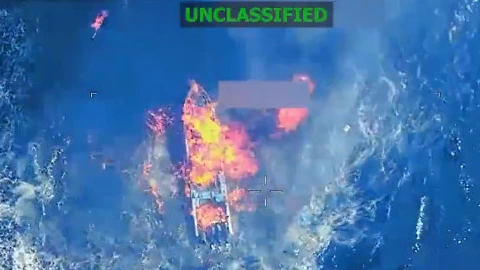
US Military Strikes Suspected Drug Boat in Pacific, Three Dead
The United States military has intensified its campaign against suspected drug smuggling in the Caribbean Sea and the eastern Pacific Ocean, marking a significant escalation in maritime operations. A recent strike in the eastern Pacific resulted in the death of three individuals, bringing the total death toll from these systematic operations to 202 since last autumn.
Operational Context and Transparency
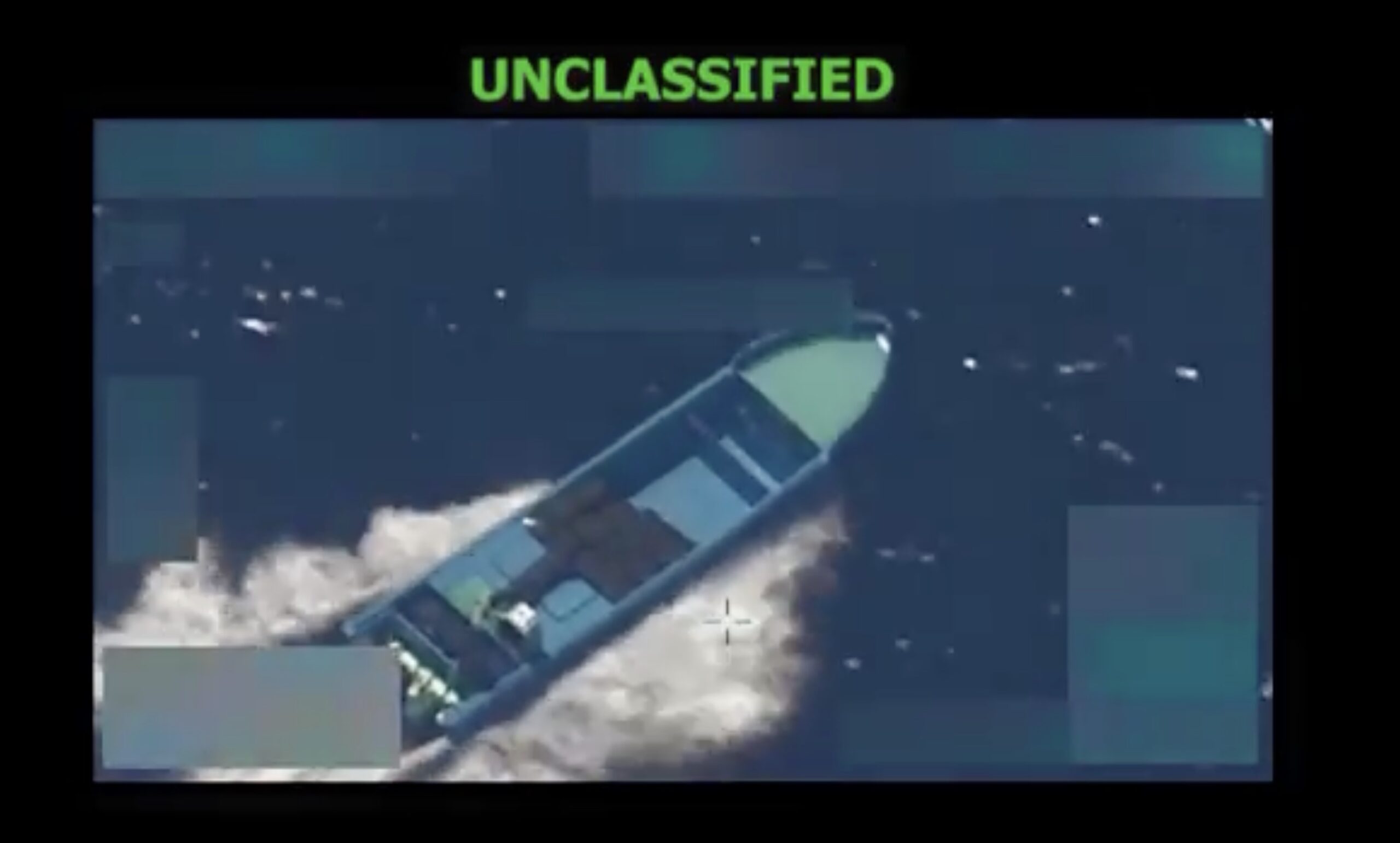
The U.S. Government maintains that these actions are part of an ongoing armed conflict against organizations it classifies as “narcoterrorists.” The military recently released colour footage of the latest strike, which depicts a small vessel being hit and subsequently catching fire. This release marks a shift in reporting, as prior visual evidence provided by the military regarding these operations had been limited to black-and-white recordings.
Despite the release of footage, the U.S. Military has not provided specific evidence to substantiate the claim that the targeted vessels belong to organizations designated as terrorist entities. The identity of the deceased remains undisclosed, which has become a focal point of criticism from international observers.
Legal and Ethical Scrutiny
The systematic nature of these strikes has drawn intense condemnation from human rights organizations, including Amnesty International and Human Rights Watch. Critics characterize the attacks as “extrajudicial executions,” arguing that they operate outside the bounds of international law. Central to these concerns is the lack of transparency regarding the targeting process and the justification for the use of lethal force.
Legal challenges are mounting, including cases filed by the families of victims from Trinidad and Tobago. These plaintiffs argue that there is no plausible legal justification for the actions, which they describe as premeditated and intentional killings. Further complicating the narrative is the September 2 incident, where reports suggested that two survivors of an initial strike were killed by a subsequent engagement while clinging to wreckage.
Future Implications
The Pentagon’s oversight body is currently investigating whether the military followed its own procedures for target selection, though this inquiry does not address the broader question of the strikes’ legality. As the death toll continues to climb, analysts expect that international legal pressure will persist. The findings of the Pentagon audit could lead to adjustments in operational protocols or, conversely, solidify the current military stance if the procedures are found to be compliant with internal standards.
Frequently Asked Questions
What is the primary justification for these military attacks?
The U.S. Government states that it is involved in an armed conflict against “narcoterrorists” and that the strikes are directed at Lati-American drug cartels operating in the Caribbean Sea and the eastern Pacific.
Are there any survivors from these operations?
Yes, only three people are known to have survived these attacks. Two were reportedly rescued by a “narco-submarine,” and one was turned over to Costa Rican authorities in March.
What is the current status of the Pentagon’s involvement?
The Pentagon’s oversight body announced last week that it will investigate whether the military adhered to its own established procedures for target selection, though this does not include an assessment of the strikes’ overall legality.
How should international maritime operations balance national security objectives with the standards of international human rights law?