
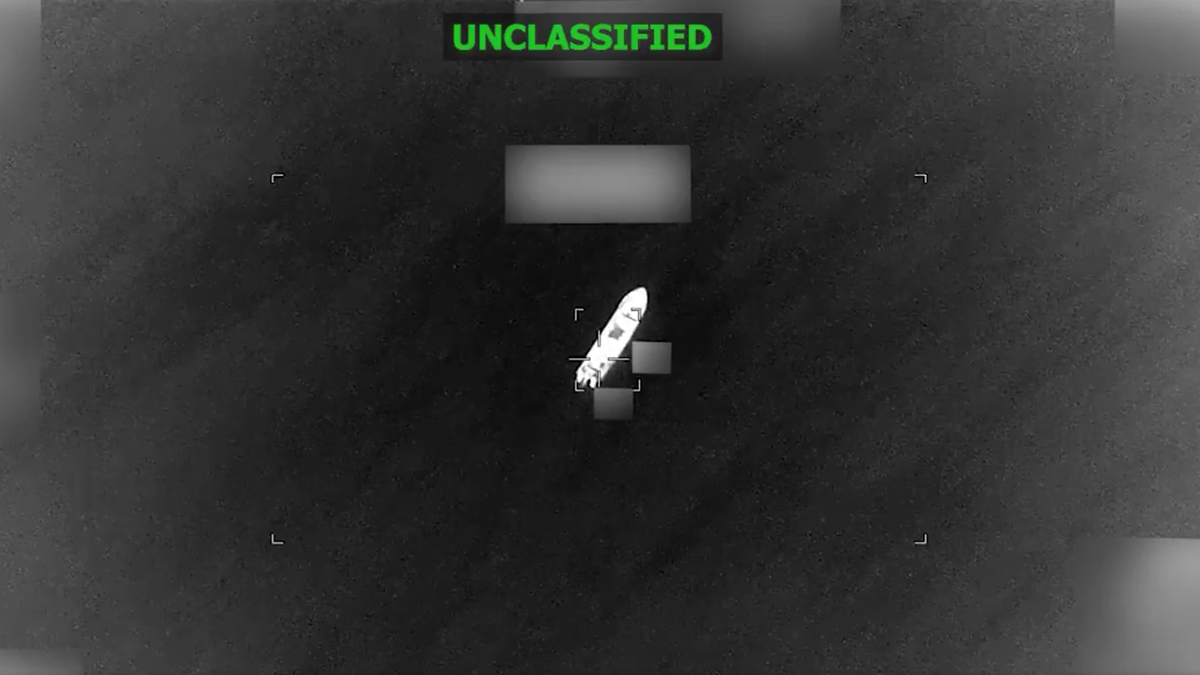
US Military Strikes Suspected Drug Vessel in Eastern Pacific, Killing Two
The Escalating Shadow War: Assessing the Future of Maritime Interdiction
The recent intensification of U.S. Military strikes against vessels in the eastern Pacific marks a significant shift in how nations combat transnational drug trafficking. With over 190 lives lost in a campaign that has spanned months, the strategy of “kinetic engagement” at sea is moving from a law enforcement operation to a theater of modern warfare.
As the Pentagon’s watchdog initiates a review of the targeting cycle, the global community is forced to ask: Is this the future of the war on drugs, or are we witnessing a dangerous expansion of military authority in international waters?
The Precision vs. Policy Paradox
At the heart of the current controversy is the “Joint Targeting Cycle.” Originally designed for traditional combat zones, applying this framework to suspected drug vessels presents unique challenges. When military commanders operate under the mandate of “war against cartels,” the line between a naval patrol and an offensive strike becomes blurred.
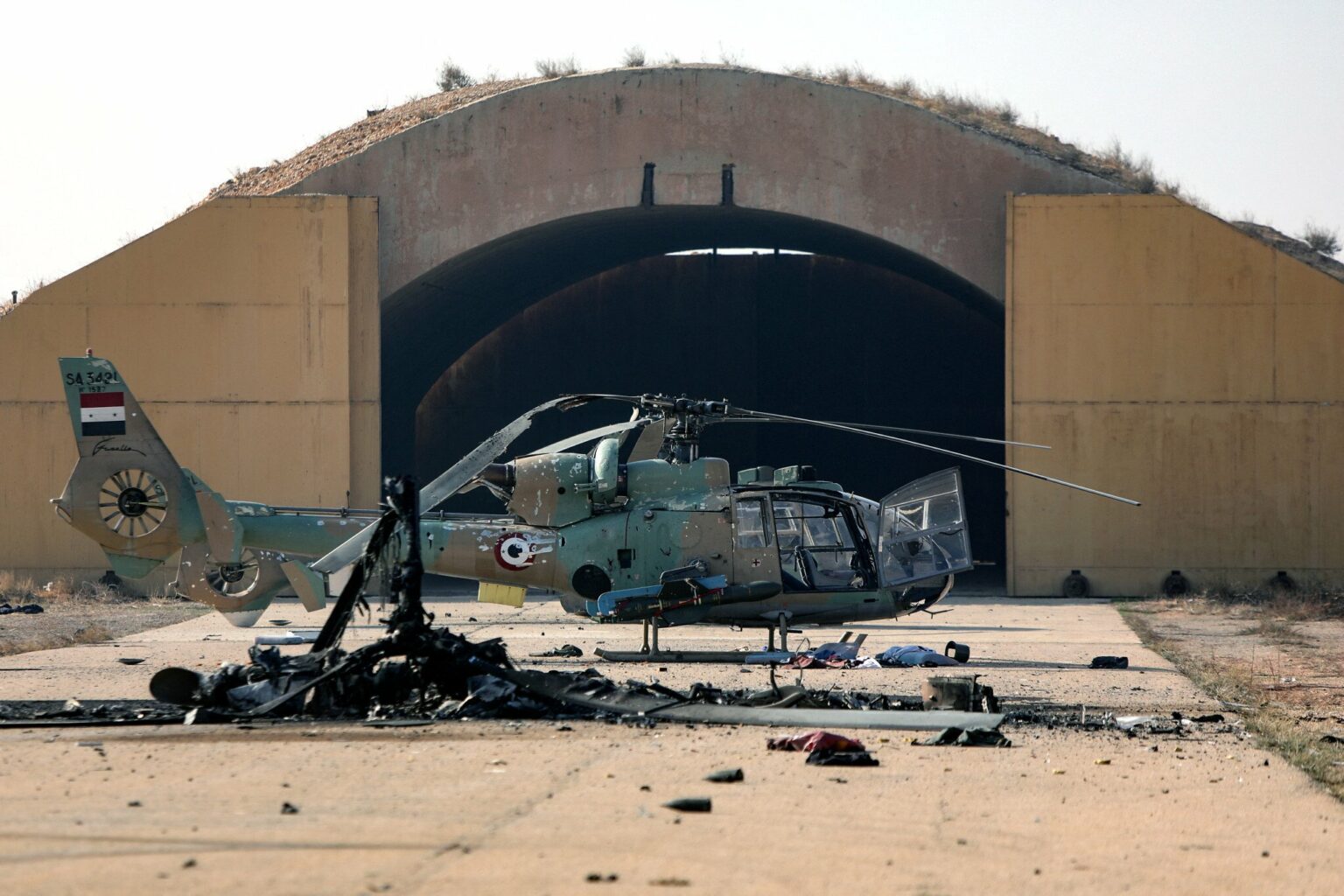
Pro Tip: Understanding the difference between law enforcement interdiction and military strike operations is critical. Law enforcement focuses on evidence and capture, while military strikes prioritize neutralization, often leaving legal scholars questioning the adherence to international maritime law.
The Rise of Pentagon Oversight
The Pentagon Inspector General’s decision to self-initiate a review is a tacit admission that the current operational tempo is attracting unwanted scrutiny. Future trends suggest that we will see:
- Enhanced Surveillance Integration: Increased reliance on AI-driven maritime domain awareness to verify targets before kinetic action.
- Legal Reform: Growing pressure from Congress to codify the “Rules of Engagement” for operations outside of declared war zones.
- Diplomatic Friction: Increased tension with Latin American nations concerned about sovereignty over their territorial waters.
The Technological Arms Race at Sea
As the U.S. Military ramps up its response, cartels are evolving. We are seeing a move toward “ghost fleets”—autonomous or remote-controlled vessels that carry high-value cargo without human risk to the operators. This creates a terrifying technological cat-and-mouse game.
If the military continues to strike vessels without clear evidence of illicit goods, the risk of “false positives”—striking civilian fishing boats or legitimate commerce—increases exponentially. This could lead to a catastrophic public relations and diplomatic fallout, potentially forcing the government to rely more heavily on U.S. Coast Guard-led boarding operations rather than airstrikes.
Frequently Asked Questions
- Why is the U.S. Military striking drug vessels instead of arresting them?
- The administration cites the classification of cartels as combatants, arguing that kinetic strikes are necessary to disrupt supply chains that fuel the domestic overdose crisis.
- Are these strikes legal under international law?
- This is a subject of intense debate. Legal scholars argue that unless there is an immediate threat of force, such strikes may violate the UN Convention on the Law of the Sea (UNCLOS).
- What is the Joint Targeting Cycle?
- It is a six-phase military process involving commander intent, target development, analysis, decision, execution and assessment used to ensure strikes meet strategic objectives.
What Lies Ahead?
The future of maritime interdiction will likely be defined by the findings of the current Pentagon review. If the military cannot prove that their targeting methods are infallible, we may see a pivot back to traditional high-seas interdiction—a slower, more resource-intensive process, but one that offers significantly higher legal and moral clarity.

For now, the waters of the eastern Pacific remain a volatile frontier. Whether these strikes effectively curb the flow of narcotics or simply push cartels toward more sophisticated, harder-to-detect methods remains the defining question of the next decade.
What are your thoughts on the militarization of the war on drugs? Should the U.S. Prioritize arrests over strikes? Share your perspective in the comments below or subscribe to our weekly intelligence briefing to stay informed on defense policy shifts.