

US More Than Capable of War With Iran
The New Era of Strategic Deterrence: analysing the US-Iran Power Struggle
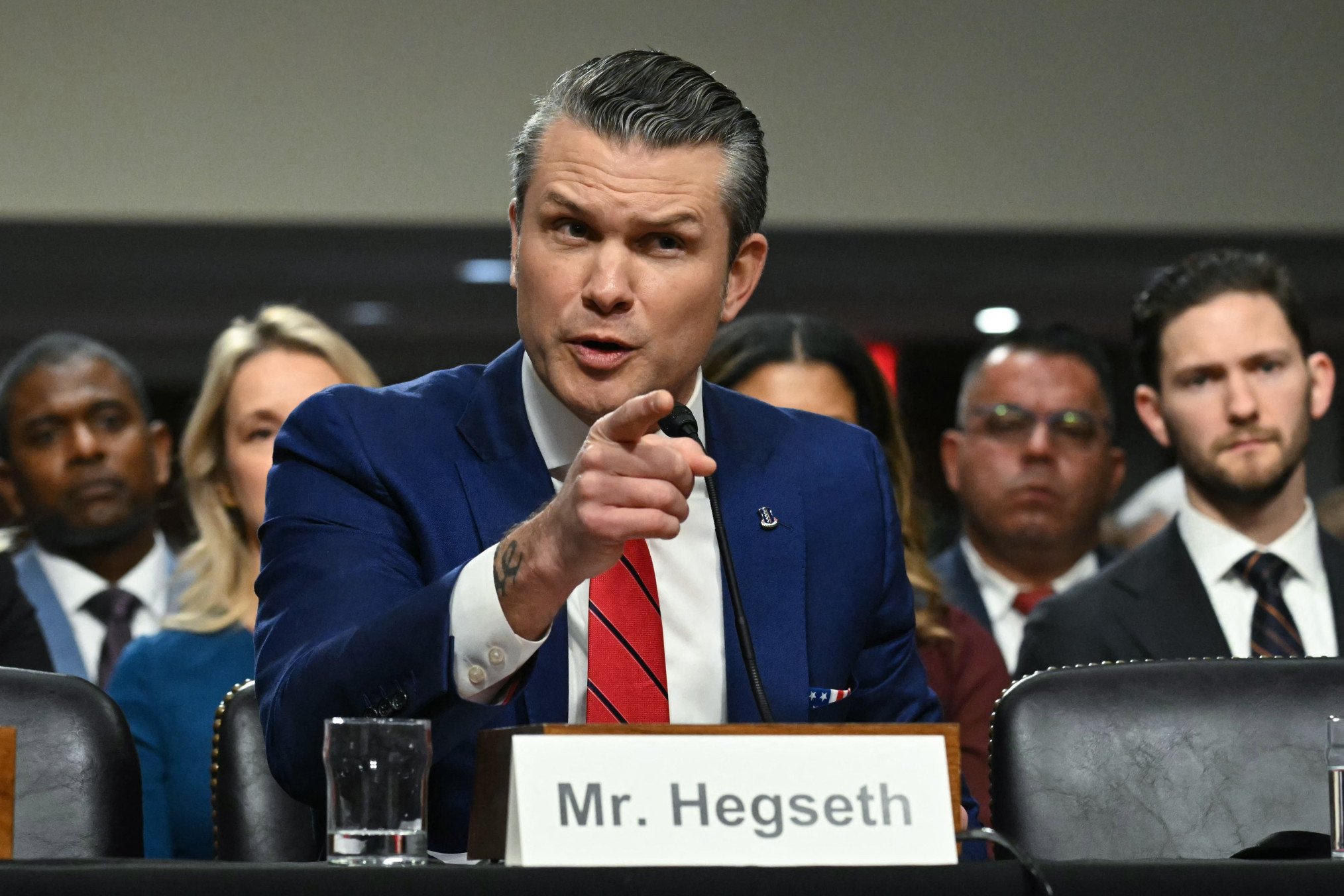
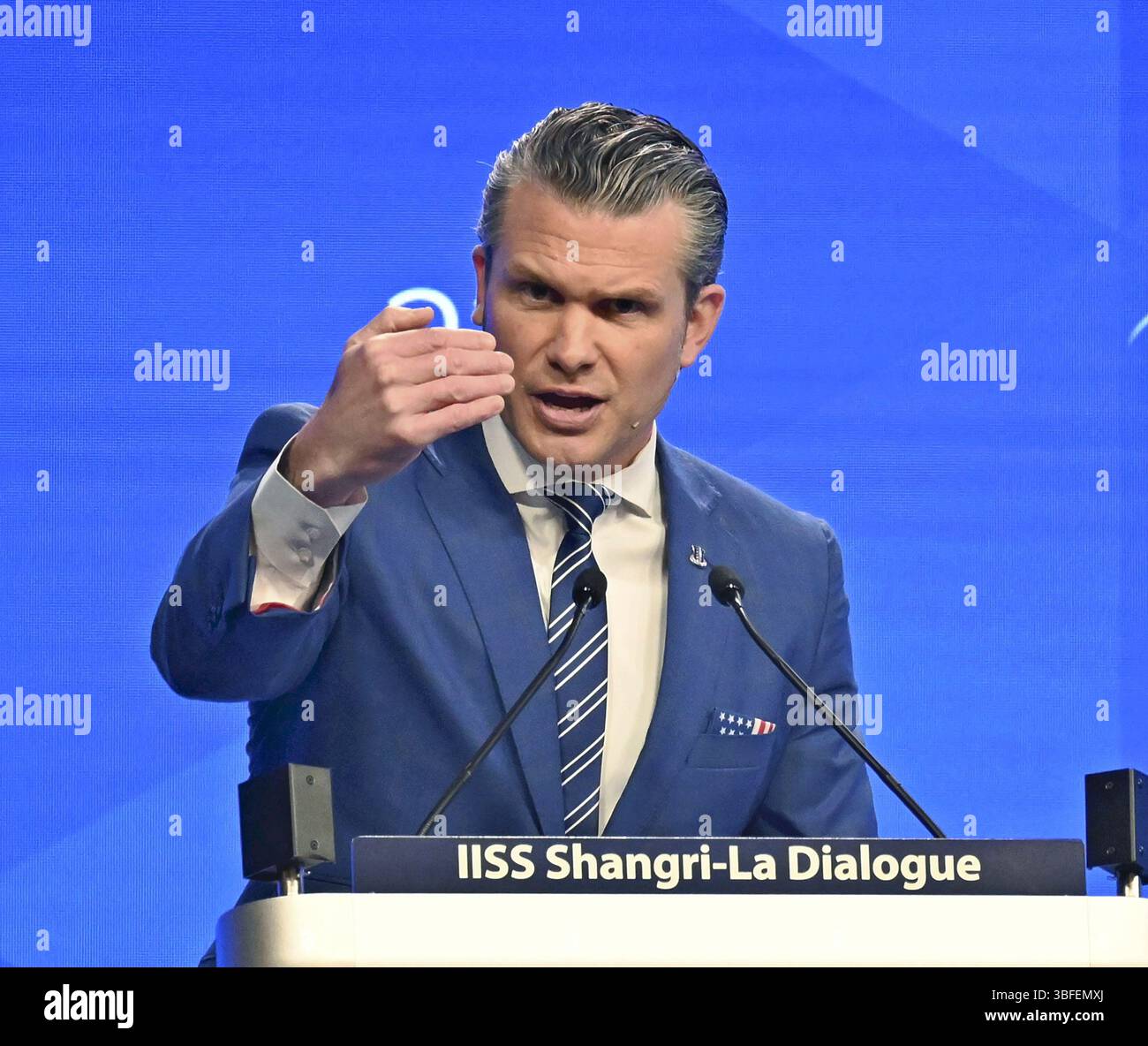
The recent assertions by US defence Secretary Pete Hegseth at the Shangri-La Dialogue signal a pivotal shift in American foreign policy. By declaring the United States “more than capable” of sustaining a conflict with Iran, the Pentagon is moving beyond mere diplomacy into a posture of overt strategic deterrence. This isn’t just about munitions; it’s about psychological warfare and the projection of absolute readiness.
As the world watches the “Situation Room” for a final decision from the White House, the tension highlights a recurring theme in global politics: the balance between maximum pressure and the elusive goal of a sustainable peace deal.
The Munitions Race: Beyond the Stockpile
Secretary Hegseth’s emphasis on “more than enough” ammunition suggests a significant ramp-up in the US military-industrial base. For years, analysts have worried about “hollow” stockpiles due to protracted conflicts in Eastern Europe and the Middle East. However, the current US stance indicates a shift toward a “warm” industrial base—one capable of rapid scaling.
Future trends suggest that the US will continue to diversify its munitions sourcing, moving away from just-in-time delivery to strategic stockpiling. This ensures that the US can maintain multiple theaters of operation—Asia and the Middle East—without compromising readiness in either.
The Impact of Asymmetric Warfare
While the US boasts conventional superiority, Iran has mastered asymmetric warfare. The use of proxy networks and drone swarms creates a complex environment where “capability” isn’t just about how many missiles you have, but how you counter low-cost, high-impact threats.
The Nuclear Ultimatum and the ‘Zero-Option’
The demand that Iran’s enriched uranium be “dug up and destroyed” represents a “Zero-Option” strategy. Unlike previous agreements that sought to limit nuclear capabilities, the current trajectory leans toward total disarmament as a prerequisite for peace.
This approach creates a high-stakes gamble. If Iran perceives that its only survival mechanism (nuclear deterrence) is being forcibly removed, the risk of a preemptive escalation increases. Conversely, if the US successfully enforces this, it sets a global precedent for non-proliferation that could impact other volatile regions.
Maritime Security and the Strait of Hormuz
The insistence on opening the Strait of Hormuz is not merely a military request; It’s an economic imperative. The US is leveraging its naval dominance to ensure that global trade remains decoupled from regional political disputes.
We are likely to see a trend of increased “International Maritime Security Constructs.” The US may lead a larger coalition of Asian and European powers to patrol these waters, effectively internationalizing the security of the Strait to prevent any single nation from using energy as a weapon of war.
For more insights on global security shifts, explore our detailed analysis of Asia-Pacific defence Trends or check out the latest reports from the International Atomic Energy Agency (IAEA) regarding nuclear monitoring.
Future Geopolitical Trends to Watch
- The “Deal-Maker” Diplomacy: Expect a pattern of extreme escalation followed by sudden, high-profile diplomatic breakthroughs. This “shock and awe” diplomacy is designed to force concessions.
- AI-Driven Deterrence: The integration of AI in monitoring Iranian movements and managing munitions logistics will likely reduce the “fog of war,” making precision strikes more likely than broad campaigns.
- Shift in Regional Alliances: As the US puts pressure on Iran, expect neighboring Gulf states to further diversify their security partnerships, balancing US protection with economic ties to China.
Frequently Asked Questions
Q: Why is the Strait of Hormuz so critical?
A: It is the only sea passage from the Persian Gulf to the open ocean. Because of its geography, it can be easily blocked, which would freeze a massive portion of the global oil supply.
Q: What does “asymmetric warfare” mean in this context?
A: It refers to Iran using unconventional tactics—such as drones, cyberattacks, and proxy militias—to challenge the conventional military superiority of the United States.
Q: Is a peace deal with Iran likely?
A: It depends on the “final decision” mentioned by the US administration. A deal is possible if Iran accepts strict nuclear disarmament and guarantees maritime freedom, but the current rhetoric suggests a very high price for peace.
Join the Conversation
Do you believe “maximum pressure” is the only way to achieve long-term stability in the Middle East, or does it risk an inevitable clash? Share your thoughts in the comments below or subscribe to our Global Intelligence newsletter for weekly deep dives.